
DogMedsHub’s Conditions section is not a general dog-health encyclopedia. Its purpose is narrower: explain why medication may be considered for a condition, which drug classes veterinarians use, what determines selection, what monitoring matters, and how the condition connects back to individual medication guides. That keeps the site focused on medication education rather than drifting into broad pet-health publishing.
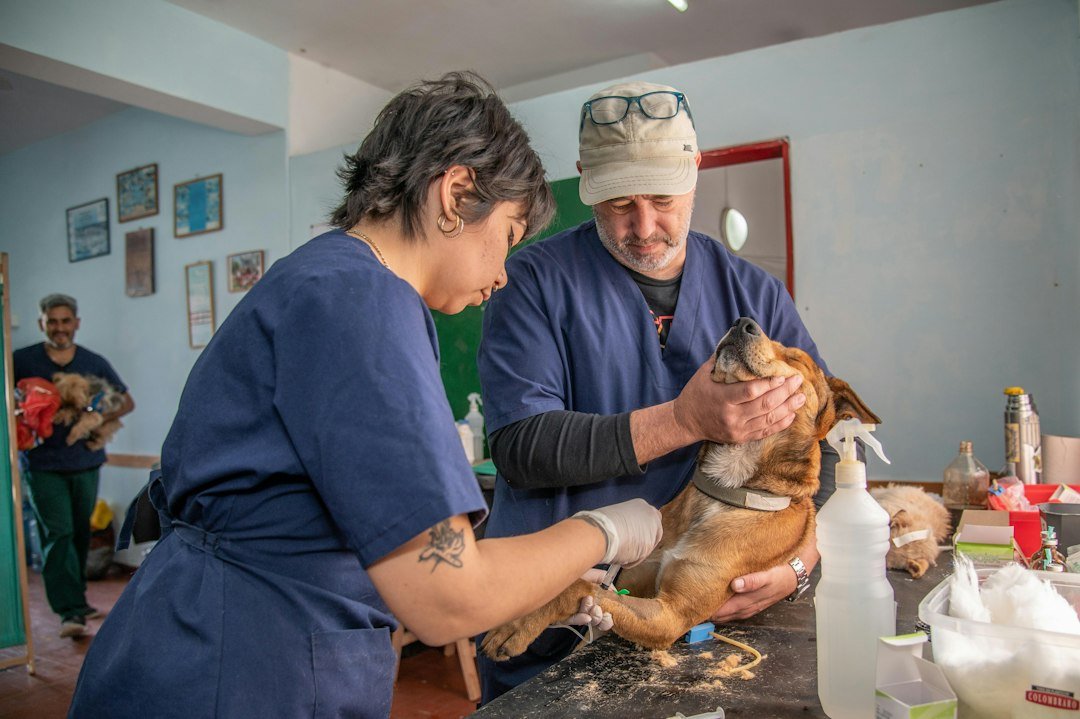
This pillar establishes the treatment-context side of the DogMedsHub knowledge graph. A medication page explains the drug. A condition page explains why that drug class may be considered for a particular problem. The two link to each other where the connection is clinically relevant.
Why condition context matters
The same medicine can be used differently depending on diagnosis. Doxycycline may be used for certain tick-borne infections, respiratory disease or other bacterial problems. Gabapentin may be used for chronic pain, seizure support or situational anxiety. Prednisone can be used for allergic, inflammatory or immune-mediated disease.
Without the condition context, a medication page can sound as though every use is equivalent. It is not.
Conditions pages do not prescribe treatment
The goal is to explain the decision framework: what veterinarians are trying to treat, which classes may be considered, what diagnostic evidence changes the plan and which safety issues matter.
A condition page should never tell an owner to select a prescription medicine without veterinary diagnosis.
Arthritis in dogs
Canine osteoarthritis is a chronic degenerative joint disease involving pain, inflammation and reduced mobility. Treatment is typically multimodal rather than dependent on one drug.
Veterinarians may consider NSAIDs such as carprofen or meloxicam, adjunctive medicines such as gabapentin in selected dogs, weight management, rehabilitation, exercise modification and other therapies.
Why NSAID choice for arthritis is individualized
Kidney and liver health, gastrointestinal history, hydration status, age and other medicines influence whether an NSAID is appropriate. Baseline bloodwork and periodic monitoring are often part of long-term care.
Pain that does not respond to one medicine
Failure of one NSAID does not mean all pain medication is ineffective. The diagnosis may be incomplete, the dose may need review, another drug class may be added, or non-drug therapies may need to be strengthened.
Anxiety in dogs
“Anxiety” covers several different problems: separation anxiety, noise fear, travel anxiety, veterinary-visit fear, generalized anxiety and fear-related aggression. The medication strategy depends on whether the problem is chronic, situational or both.
Daily medicines such as fluoxetine or clomipramine may be considered for persistent disorders, while trazodone or alprazolam may be used situationally in selected dogs.
Why behavior medication should support learning
The treatment goal is not simply sedation. Medication should reduce distress enough that behavior modification, safe exposure and recovery become possible.
Diarrhea in dogs
Diarrhea is a symptom, not a diagnosis. Causes include dietary indiscretion, parasites, infection, stress, inflammatory disease, toxin exposure and many other problems.
That is why medications such as metronidazole, loperamide or probiotics should not be treated as interchangeable “anti-diarrhea” solutions.
Why loperamide is not appropriate for every dog
Loperamide can cause central nervous system toxicity in dogs with ABCB1/MDR1 sensitivity and may be inappropriate when diarrhea is caused by certain infections, obstruction or toxin exposure.
The dedicated Loperamide for Dogs guide explains those risks.
Vomiting in dogs
Vomiting can result from dietary indiscretion, motion sickness, pancreatitis, gastrointestinal obstruction, toxins, kidney disease and many other causes. Maropitant and ondansetron are examples of antiemetics used in veterinary medicine, but treating nausea does not remove the need to identify serious causes.
Cerenia / maropitant in vomiting
Maropitant blocks neurokinin-1 receptors and is widely used for acute vomiting and prevention of motion-sickness vomiting. It can improve comfort while diagnostic investigation continues.
The Maropitant (Cerenia) for Dogs guide explains its role in more detail.
Skin allergies
Allergic skin disease can involve environmental allergens, food reactions and flea allergy, often complicated by yeast or bacterial infection. Treatments may include Apoquel, Cytopoint, corticosteroids, antihistamines, topical therapy and immunotherapy depending on the case.
The future skin-allergy condition page will link directly to the permanent Allergy & Skin Medicines pillar.
Ear infections
Otitis externa can be caused or maintained by allergy, moisture, anatomy, foreign material, mites, bacteria and yeast. Recurrent ear disease frequently reflects an underlying skin problem.
Medication selection depends on cytology, eardrum status and severity rather than simply choosing any ear drop.
Bacterial infections
Antibiotics are chosen based on likely organisms, site of infection, patient factors and, when appropriate, culture and susceptibility results.
The Antibiotics for Dogs pillar explains stewardship, culture and why duration varies by diagnosis.
Urinary tract infection
Lower urinary signs can come from infection, bladder stones, inflammation, prostate disease or other causes. Urine culture can be important, especially in recurrent or complicated cases.
A condition page should therefore explain when antibiotics are appropriate rather than treating every urinary symptom as an infection.
Tick-borne disease
Lyme disease, ehrlichiosis and anaplasmosis involve different organisms and clinical patterns. Doxycycline is commonly used in several tick-borne infections, but diagnosis and duration depend on the disease and patient.
This creates a strong semantic connection to the permanent Doxycycline for Dogs guide.
Heartworm disease
Heartworm disease is caused by Dirofilaria immitis transmitted by mosquitoes. Prevention and treatment are separate problems.
Preventives such as ivermectin, milbemycin and moxidectin target susceptible larval stages, while established adult infection requires a broader treatment protocol and exercise restriction.
Why a heartworm-positive dog needs more than prevention
Once adult worms are present, management may include doxycycline, macrocyclic-lactone administration, adulticide treatment with melarsomine and strict exercise restriction under veterinary supervision.
Seizures in dogs
Seizures can arise from idiopathic epilepsy, structural brain disease, metabolic disorders or toxins. Anticonvulsant selection depends on frequency, severity, diagnosis, age and other medications.
Gabapentin is sometimes used in neurologic contexts but should not be mistaken for a universal first-line seizure drug.
Why toxin-induced seizures belong in Poisoning, not general epilepsy
A dog seizing after ingesting a stimulant, xylitol, medication overdose or another toxin needs emergency toxicology management. The symptom looks similar, but the treatment pathway is different.
Chronic pain
Chronic pain can come from osteoarthritis, cancer, spinal disease or neuropathic conditions. Multimodal treatment may use NSAIDs, gabapentin and other therapies depending on the cause.
A condition-led page should distinguish nociceptive and neuropathic components without oversimplifying them into one “pain medicine” list.
Postoperative pain
Surgical pain is time-limited but can be intense. Opioids, NSAIDs, local anesthetics and adjunctive drugs may be combined for multimodal analgesia.
Medication choices depend on procedure, kidney and liver function, bleeding risk and expected recovery.
Motion sickness
Motion sickness can cause drooling, nausea and vomiting during travel, while travel anxiety can exist separately. Maropitant may address motion-sickness vomiting, while behavior medicine may be needed for panic.
Separating nausea from fear prevents using the wrong drug for the wrong problem.
Gastroesophageal and upper-GI disease
Famotidine and omeprazole are both acid-suppressing medicines but work through different mechanisms and are not interchangeable in every case. Long-term acid suppression should have a clear indication.
The Digestive Medicines pillar connects these drugs to vomiting, ulcer risk and reflux treatment context.
Why a symptom page and a condition page are not always the same
Vomiting and diarrhea are symptoms with broad differential diagnoses. Arthritis and heartworm are defined disease entities. DogMedsHub can use both page types when the treatment decision genuinely differs.
How condition pages avoid becoming generic pet articles
Every condition page should stay tightly organized around medication decisions:
- what the condition is;
- how it is confirmed or differentiated from look-alikes;
- which drug classes may be considered;
- what determines selection;
- monitoring and adverse effects;
- what treatment failure means;
- links to the relevant canonical medicine guides.
Why diagnostic uncertainty belongs in the article
Readers often arrive before a diagnosis is confirmed. Good condition content should explain what else can look similar and when testing matters, rather than writing as though the reader already knows the cause.
Medication selection is often about tradeoffs
A drug may be highly effective but inappropriate for a dog with kidney disease, a history of gastrointestinal ulceration, recurrent infection or a conflicting medication. Another option may be slower or less convenient but safer for that patient.
Monitoring is part of treatment
Long-term medicines may require bloodwork, urinalysis, weight monitoring, behavior tracking or reassessment of symptoms. Monitoring is not evidence that a medicine is inherently dangerous; it is part of responsible chronic care.
What treatment failure can mean
If a medication does not work, possibilities include wrong diagnosis, inadequate duration, poor adherence, secondary disease, drug resistance, progression of the condition or a treatment plan that needs another modality.
Why owners should not reuse old prescriptions for a new episode
A dog that had diarrhea, infection or pain months ago may have a different problem now. Leftover medication can delay diagnosis, interact with current drugs or be inappropriate for the new condition.
How the Conditions hub connects to other pillars
Condition pages link outward to Medication Library entities and upward to relevant treatment pillars such as Antibiotics, Pain & Anti-inflammatory Medicines, Digestive Medicines, Anxiety & Behaviour Medicines, Parasite & Heartworm Medicines and Allergy & Skin Medicines.
When condition content should send the reader to emergency care
Collapse, breathing difficulty, repeated seizures, severe abdominal distension, major bleeding, inability to urinate, suspected poisoning, profound weakness or rapidly worsening neurologic signs require urgent veterinary assessment rather than ordinary medication research.
Why the same symptom can lead to different medicines
Panting may reflect pain, anxiety, heat, corticosteroid use or heart and lung disease. Vomiting can result from motion sickness, pancreatitis, obstruction or toxin exposure. Scratching can come from allergy, fleas, mites or infection.
Condition-led content should therefore explain diagnostic branching before presenting medication classes.
Why test results change medication choice
Culture results can change an antibiotic. Kidney values can change an NSAID plan. Liver disease can change anticonvulsant selection. A heartworm test can completely redirect a parasite-prevention conversation into a treatment protocol.
Medication decisions are strongest when they are connected to the evidence that justified them.
Why comorbidities matter
A dog can have arthritis and kidney disease, allergy and recurrent infection, anxiety and seizure disorder, or heart disease and chronic pain at the same time. A medication that is ideal for one diagnosis may be less suitable because of another.
Arthritis plus allergy is a common interaction problem
An arthritic dog may receive an NSAID while an allergic flare prompts consideration of prednisone. Because NSAIDs and corticosteroids can interact dangerously, the two condition plans cannot be managed in isolation.
Diarrhea plus dehydration
A dog with significant diarrhea may be dehydrated, which changes the risk of some medications, particularly NSAIDs. The presence of one condition can temporarily change how another chronic medicine should be handled.
Anxiety plus motion sickness
A dog may pant, drool and vomit in the car because of both fear and motion sickness. Treating only nausea may leave panic unchanged; treating only anxiety may leave vomiting unchanged.
This is why the future travel-treatment content should link both to maropitant and to situational anxiety medicines where appropriate.
Skin allergy plus infection
Immunomodulating itch control may reduce scratching, but bacterial or yeast infection still needs diagnosis and treatment. Failing to address infection can make owners think the allergy medicine has stopped working.
Heartworm disease plus exercise intolerance
Reduced stamina in a heartworm-positive dog is not simply a fitness problem. Exercise restriction is part of treatment because pulmonary vascular injury can worsen with exertion.
Why a condition page should explain treatment goals
For arthritis the goal may be comfortable mobility. For separation anxiety it may be the ability to remain alone without panic. For vomiting it may be symptom control while the cause is identified. For bacterial infection it is eradication of the pathogen without unnecessary antibiotic exposure.
Clear goals make it easier to judge whether a medication is working.
What monitoring failure looks like
A dog can appear better while laboratory abnormalities develop, or laboratory values can improve while quality of life remains poor. Good monitoring uses both objective testing and owner observations.
Why follow-up intervals differ by condition
An acute vomiting episode may need reassessment within hours or days, while stable chronic arthritis may be reviewed on a longer schedule. A newly started behavior medicine may need weeks before its full effect can be judged.
Why treatment duration matters
Some medicines are event-based, some are short courses, and others are long-term. The same drug can even be used on different schedules for different conditions. Duration should therefore be explained in the condition context rather than assumed from the medication name.
When referral changes the medication plan
Dermatologists, neurologists, cardiologists, internists and veterinary behaviorists may use more specialized diagnostics or treatment protocols. Referral is particularly useful when the diagnosis is uncertain, response is poor or treatment risk is becoming complex.
How future condition pages will be prioritized
DogMedsHub should publish condition-treatment pages when they create a strong semantic bridge to existing medication entities and answer a real treatment-selection question. The first priorities are arthritis, anxiety, diarrhea, vomiting, skin allergies, bacterial infections and heartworm disease.
What DogMedsHub will not do with Conditions
We will not build hundreds of generic disease pages with a token paragraph about medication. If a condition does not meaningfully connect to the site’s medication-and-safety purpose, it does not belong simply to increase page count.
Why condition pages should show uncertainty clearly
Readers often arrive while they are still trying to understand what is wrong. A professional condition-treatment page should state when symptoms overlap with other diseases, what testing may be needed and which findings would change the medication discussion. That is more useful than presenting a treatment list as though the diagnosis were already settled.
This also protects against self-treatment based on a symptom that happens to resemble a familiar condition.
Last reviewed: October 2026. Educational information only; condition pages explain medication context and do not replace veterinary diagnosis or individualized treatment.
Core condition-treatment guides
DogMedsHub now connects condition context to medication choices through Arthritis in Dogs, Anxiety in Dogs and Diarrhea in Dogs. These pages explain why medication may be considered and then link to the permanent drug guides rather than duplicating them.