
If a dog may have swallowed a toxic medication, the first job is not to search for a home antidote—it is to identify the product, amount and time and contact a veterinarian or animal poison service promptly. Dogs can deteriorate before obvious symptoms appear, and the safest response varies dramatically between ibuprofen, acetaminophen, naproxen, xylitol-containing liquids, vitamin D products and other household medicines.
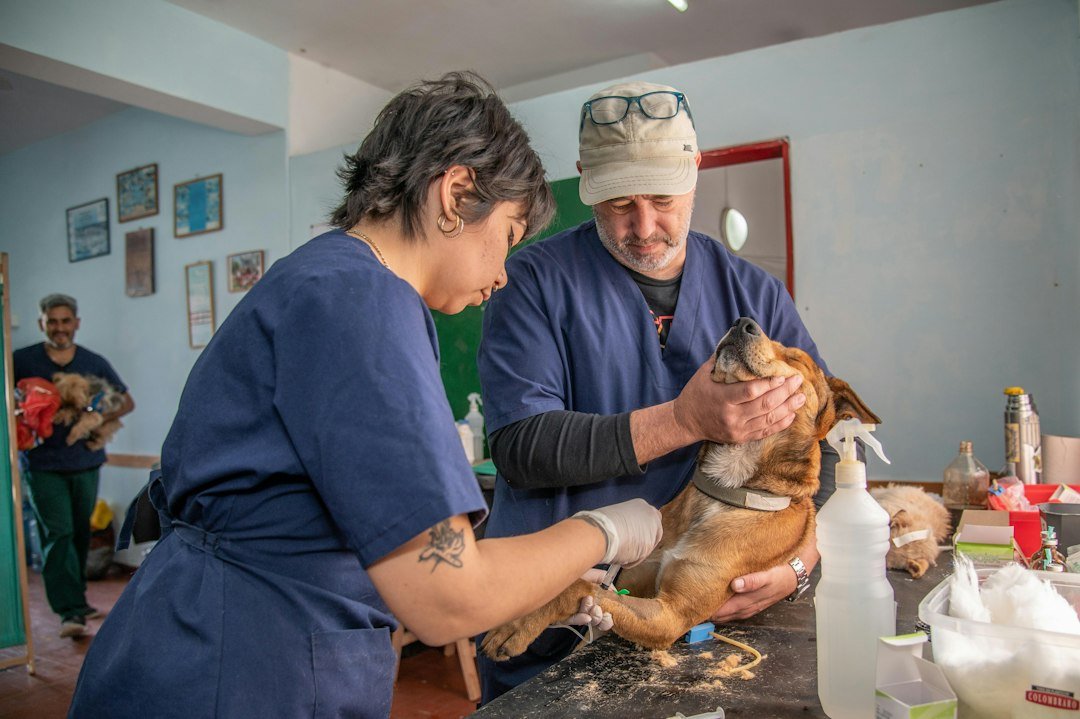
This pillar is organized differently from ordinary medication pages. Emergency action comes first, followed by substance-specific risks, the information a veterinarian needs, what not to do at home, and links into the wider DogMedsHub medication-safety graph.
What to do first after a suspected medication ingestion
Remove the dog from the source and secure the package. Count remaining tablets or estimate the missing liquid if possible. Note the product name, active ingredients, strength, formulation, time of exposure and the dog’s current weight.
Call the veterinary clinic, emergency hospital or an animal poison service. Do not wait for vomiting, weakness or other symptoms to decide whether the exposure matters.
Do not induce vomiting automatically
Vomiting is appropriate for some recent ingestions and dangerous for others. A dog that is already sedated, seizing, unable to swallow normally or exposed to a caustic substance can aspirate or suffer additional injury.
The Merck Veterinary Manual toxicology guidance emphasizes that decontamination choices depend on the toxin, timing and the patient’s condition.
Do not give activated charcoal unless instructed
Activated charcoal does not bind every toxin and can create complications in dehydrated, vomiting or neurologically impaired animals. It is also not recommended for some exposures, including xylitol.
Why the exact formulation matters
A product label can contain more than one active ingredient. “Cold medicine,” “pain reliever” or “sleep gummy” is not specific enough. Combination products may contain acetaminophen, decongestants, caffeine, antihistamines, xylitol or several other substances at once.
Ibuprofen poisoning in dogs
Ibuprofen is a common human NSAID with a narrow margin of safety in dogs. It can cause gastrointestinal ulceration and bleeding, kidney injury and, at higher exposures, neurologic signs.
The Merck Veterinary Manual review of human analgesic toxicoses specifically states that ibuprofen is no longer recommended in dogs because of gastrointestinal and renal toxicity risk.
Why “one tablet” can still matter
The clinical significance of one tablet depends on tablet strength and dog size. A single human-strength tablet can represent a much larger mg/kg exposure in a small dog than in a large dog.
This is a calculation for a veterinarian or poison specialist to interpret in context, not a reason to wait until symptoms appear.
Naproxen poisoning
Naproxen can be particularly dangerous because dogs clear it slowly and gastrointestinal and renal toxicity can be severe. Owners should never give human naproxen for canine pain unless a veterinarian has specifically directed an unusual circumstance.
Acetaminophen / Tylenol poisoning
Acetaminophen can damage the liver and, at sufficiently high exposure, alter hemoglobin so oxygen delivery is impaired. Dogs are less sensitive than cats, but meaningful canine toxicity still occurs, particularly with large or repeated doses.
Facial swelling, rapid breathing, weakness, vomiting, jaundice or darkened mucous membranes can occur depending on the exposure.
Aspirin overdose
Aspirin has legitimate veterinary uses in selected settings, but overdose can cause gastrointestinal irritation, ulceration, acid-base abnormalities, neurologic signs and bleeding problems.
Human enteric-coated formulations can complicate absorption and decontamination timing.
Xylitol poisoning
Xylitol is a sugar alcohol used in some sugar-free gums, candies, supplements, toothpastes and medication liquids. In dogs it can trigger a rapid insulin release, causing profound hypoglycemia, and some exposures can cause severe liver injury.
The Merck Veterinary Manual xylitol review notes that sugar-free syrups and medicinal bases can contain xylitol, making formulation checks particularly important for liquid medications.
Why xylitol exposure should not wait for symptoms
Blood sugar can fall quickly, while liver injury can appear later. A dog may look normal at first. That is why early professional advice is important after a known xylitol-containing product is swallowed.
Vitamin D overdose
Vitamin D-containing supplements and some topical or prescription products can cause dangerous elevations in calcium and phosphorus, leading to kidney and tissue injury.
The amount of vitamin D per unit varies widely, so the label and number of missing tablets are essential.
Human antidepressants and anxiety medicines
SSRIs, SNRIs, tricyclic antidepressants, benzodiazepines and other psychiatric drugs can cause sedation, agitation, tremors, seizures, cardiovascular changes or serotonin-related toxicity depending on the substance.
Never assume a dog’s prescribed trazodone makes another household antidepressant safe.
Sleep aids and combination gummies
Melatonin itself may have a relatively wide safety margin, but gummies can contain xylitol, 5-HTP, herbs, cannabis-derived ingredients or other sleep aids. The whole ingredient panel matters.
Decongestants
Pseudoephedrine and phenylephrine can cause agitation, high blood pressure, rapid heart rate, tremors and seizures. These ingredients commonly appear in cold-and-flu combination products.
ADHD and stimulant medicines
Amphetamine and methylphenidate products can produce severe hyperactivity, tremors, cardiovascular effects, overheating and seizures in dogs. These are time-sensitive exposures.
Topical medications can also poison dogs
Dogs can lick human creams, gels and patches from skin, bedding or discarded packaging. Some topical anti-inflammatory, hormone, psoriasis or pain products contain potent active ingredients.
Always tell the poison professional whether the exposure was oral, dermal or both.
Transdermal patches are especially concentrated
Used patches can still contain substantial medication. Dogs may chew nicotine, opioid or other transdermal patches found in household waste.
Why body weight matters in poisoning
Toxicology risk is often interpreted in milligrams of substance per kilogram of body weight, but that does not mean owners should use an online calculator to decide whether care is necessary. Formulation, timing, repeated exposure and patient health also matter.
Why timing matters
Many decontamination options are most useful early, before the substance is fully absorbed. Delaying a call while searching for symptoms can remove treatment options.
What information the veterinarian needs
- dog’s current weight;
- product name and active ingredients;
- strength per tablet, capsule, chew or mL;
- estimated number or volume missing;
- time of possible ingestion;
- whether vomiting has occurred;
- current symptoms;
- other medicines the dog takes;
- photo of the front label and ingredient panel when available.
Why package photographs help
A clear photograph can resolve uncertainty about extended-release formulation, combination ingredients and concentration. Keep the packaging even if it looks empty.
What not to give at home
Do not give milk, oil, salt, charcoal, antacids or another medication simply because a website suggests it. Some home remedies delay proper care or create aspiration and electrolyte risks.
Hydrogen peroxide is not a universal vomiting treatment
Veterinarians may recommend a specific emesis approach for selected recent canine exposures, but peroxide can irritate the gastrointestinal tract and should not be given automatically.
Why “he looks fine” is not reassuring enough
Kidney injury, liver damage and internal ulceration can develop before a dog looks obviously sick. Some toxins also have delayed effects.
When emergency hospitalization may be needed
Dogs with significant exposures may need intravenous fluids, serial bloodwork, gastrointestinal protectants, glucose support, specific antidotes or close neurologic monitoring depending on the toxin.
Poisoning and chronic medications
The dog’s normal prescriptions can alter risk. Dehydration, kidney disease, liver disease, age and concurrent NSAIDs or steroids can change how an exposure is managed.
Medication overdose versus adverse reaction
An overdose means the dog received more drug than intended. An adverse reaction can occur at a normal dose. Both can require veterinary attention, but the history and management may differ.
Double-dose errors
Households with several caregivers can accidentally give the same scheduled medication twice. Keep a written administration log when more than one person gives medicines.
After a double dose, call with the exact drug and strength rather than assuming every medication has the same safety margin.
Wrong-dog medication errors
In multi-pet homes, one dog can receive another pet’s medicine. Weight differences, species differences and active ingredients can make this more serious than a simple missed dose.
Wrong-strength errors
A pharmacy refill or different tablet strength can change the amount dramatically even when the medicine name is unchanged. Verify the strength printed on each new bottle.
Why flavored medicines should be secured
The FDA has reported accidental overdoses from pets getting into flavored veterinary chews. Treat palatable medicine as food from the dog’s perspective: keep it in a locked or inaccessible cabinet.
What to do after the emergency is over
Review how the exposure happened. Separate human and pet medicines, use original packaging, improve storage and consider a medication log or pill organizer that is inaccessible to pets.
Poison-prevention checklist
- keep human and veterinary drugs in separate secure locations;
- never leave pills on bedside tables or counters;
- keep purses and backpacks containing medicines inaccessible;
- check sugar-free liquids for xylitol;
- dispose of patches and medicated products securely;
- do not transfer medicines into unlabeled containers;
- keep poison-service and emergency-clinic details available.
How the Poisoning pillar connects to DogMedsHub
The permanent Poisoning & Overdose hub will connect to substance-specific emergency pages for ibuprofen, acetaminophen, naproxen, xylitol, aspirin overdose, medication overdose and “dog ate human medication.” It also links back to Medication Safety and to the relevant canonical drug guide whenever the exposure involves a medicine already in the library.
When to seek urgent help immediately
Collapse, seizures, severe tremors, difficulty breathing, profound weakness, repeated vomiting, black or bloody stool, abnormal gum colour, severe agitation or a known ingestion of a high-risk drug should be treated as urgent.
Why poison-service calculations should not be copied from the internet
Toxicology decisions often depend on the exact active ingredient, dose per kilogram, formulation, time since ingestion and patient risk factors. A threshold quoted online may come from a different formulation or may describe when one organ system becomes at risk rather than when treatment is unnecessary.
Use online information to understand the problem, not to decide that a known exposure is “safe enough” to ignore.
Extended-release and delayed-release products
Extended-release tablets can continue releasing medicine for hours, which changes decontamination and monitoring decisions. Enteric coatings can delay dissolution. Always tell the veterinarian when the package says extended release, sustained release, ER, XR, CR or delayed release.
Iron-containing vitamins
Human multivitamins and prenatal vitamins may contain iron in amounts that can cause gastrointestinal injury and systemic toxicity. The number of tablets, elemental iron content and dog’s weight are needed for risk assessment.
Calcium and vitamin combinations
Some supplements combine vitamin D with calcium or other minerals. The full ingredient panel matters because the veterinarian may need to monitor more than one electrolyte or organ system.
Caffeine-containing products
Caffeine appears in tablets, energy products, some weight-loss supplements and combination pain medicines. Dogs can develop restlessness, rapid heart rate, tremors, overheating and seizures after significant exposure.
Nicotine products
Nicotine gum, lozenges, pouches, patches and e-cigarette liquids can be highly concentrated. Chewed products may cause vomiting, agitation, weakness, abnormal heart rate, tremors or collapse depending on dose.
Keep nicotine products and used patches away from pets and seek prompt advice after ingestion.
Why the trash bin can be a medication hazard
Dogs may eat used patches, discarded blister packs, empty inhalers, pill bottles or wrappers that still contain residue. Secure household waste when medications are being discarded.
What if the exposure happened hours ago?
Still call. Some toxins remain in the stomach longer than expected, some undergo delayed absorption, and treatment may still prevent organ injury even after the opportunity to induce vomiting has passed.
Why baseline bloodwork matters
Kidney and liver values measured soon after an exposure provide a comparison point for later testing. A dog can appear clinically normal while laboratory evidence of toxicity begins to develop.
Why follow-up testing can continue after discharge
Some toxic effects evolve over one to several days. The emergency hospital may recommend repeat kidney values, liver enzymes, clotting tests or glucose checks even after the dog appears to have recovered.
Medication poisoning in puppies and small dogs
Because toxicology is often dose-per-body-weight dependent, a single adult human tablet can represent a much larger exposure in a toy-breed dog or puppy. Their small size also means dehydration and low blood sugar can develop quickly.
Medication poisoning in senior dogs
Older dogs are more likely to have kidney, liver or heart disease and may already take several medications. Those factors can reduce safety margins and complicate treatment.
Why accidental exposure should trigger a storage audit
After the immediate problem is resolved, identify how the dog reached the medicine. Common failures include purses left on the floor, countertop pill organizers, bedside tablets, low cupboards and flavored veterinary chews stored with treats.
Emergency information to keep ready
Keep the regular veterinarian, nearest 24-hour emergency hospital and preferred animal poison service contact details saved before an emergency occurs. When seconds matter, searching for a clinic while trying to identify a product adds unnecessary delay.
Why poison triage should use the current dog weight
Risk estimates are commonly based on the amount of active ingredient relative to body weight. A puppy that has doubled in size since its last visit or a senior dog that has lost significant weight can fall into a very different exposure range than an old chart suggests. Use a recent measured weight whenever possible and tell the poison professional if the weight is only an estimate.
Why repeated small exposures can still matter
Not every poisoning event is one large ingestion. Repeated owner dosing with an inappropriate human pain reliever, supplement or topical product can create cumulative organ injury. If a dog has been receiving the product for several days, report the full dosing history rather than only the most recent dose.
Early professional guidance preserves treatment options and reduces avoidable risk.
Last reviewed: October 2026. Educational information only; suspected poisoning should be discussed promptly with a veterinarian or animal poison service because treatment depends on the specific substance, amount, timing and dog.