
If your dog received the wrong medication, identify the drug immediately and do not wait for symptoms before deciding whether the error matters. Wrong-medication errors can involve another dog’s prescription, a human tablet, a similarly named veterinary drug, or a refill placed in the wrong container. Risk depends on the exact substance, dose, formulation, dog’s weight and health.
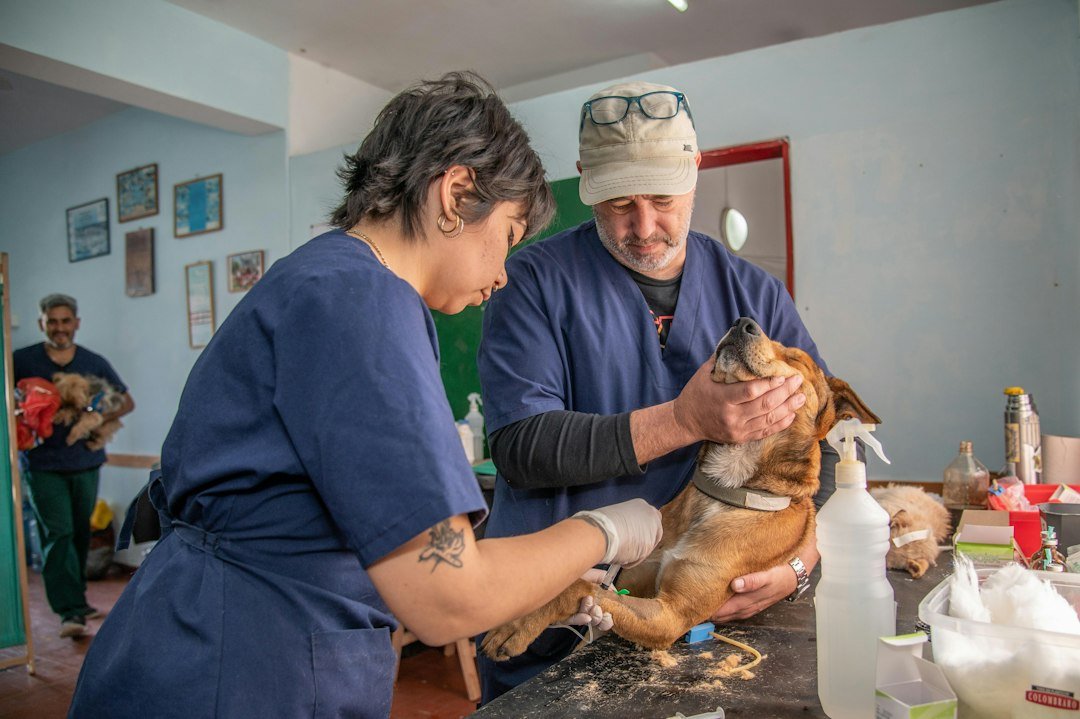
This guide explains what to do after the wrong medicine is given, why another pet’s prescription can be dangerous even within the same household, what information the veterinarian needs, and how to reduce look-alike and name-confusion errors.
Stop and identify the product
Find the original bottle, blister pack or box. Record the active ingredient, strength, formulation and intended patient.
Do not identify a pill by colour alone
Generic tablets can change appearance between manufacturers, and many unrelated medicines look similar. Pill colour and shape are not reliable identifiers.
Another dog’s medicine may be dangerous
Even if both animals are dogs, body weight, diagnosis, age and health can differ. A large dog’s dose can be excessive for a small dog, and a medicine appropriate for one condition may be contraindicated in another.
Cat medications and dog medications are not interchangeable
Species differences matter. Some products are formulated specifically for one species and should not be swapped without veterinary guidance.
Human pain medicines
Ibuprofen, naproxen and acetaminophen are common household exposures. Their risk profiles differ from veterinary pain medicines and can include gastrointestinal, kidney, liver and blood-related toxicity.
See Poisoning & Overdose.
Human antidepressants
SSRIs, tricyclic antidepressants and other psychiatric medications can cause sedation, agitation, tremors, seizures, cardiovascular effects or serotonin-related toxicity in dogs depending on the drug and amount.
Human blood-pressure and heart medicines
Beta blockers, calcium-channel blockers, ACE inhibitors and other cardiovascular drugs can significantly alter heart rate and blood pressure after accidental ingestion.
Diabetes medicines
Human oral diabetes medications and insulin can cause dangerous blood-glucose changes. These exposures deserve prompt professional advice.
Thyroid medicines
Accidental levothyroxine ingestion may have a different risk profile from many other human medicines, but dose and dog size still matter.
ADHD and stimulant medications
Amphetamine and methylphenidate products can cause severe agitation, rapid heart rate, tremors, overheating and seizures.
Sleeping pills and sedatives
Benzodiazepines, zolpidem and other sleep medicines can cause sedation, paradoxical excitement or neurologic effects.
Cold and flu products
Combination products may contain acetaminophen, pseudoephedrine, phenylephrine, antihistamines, caffeine or several active ingredients at once. The full ingredient panel is essential.
Wrong veterinary antibiotic
Giving the wrong antibiotic is not simply a harmless substitution. Different drugs have different spectra, interactions and adverse effects. Contact the clinic before continuing either medication.
Wrong pain medicine
Giving a second NSAID or accidentally giving prednisone when an NSAID is already being used can increase gastrointestinal risk. Tell the veterinarian about both products.
Wrong anxiety medicine
Mix-ups between trazodone, fluoxetine, alprazolam, gabapentin or another behavior medicine can change sedation and serotonin risk.
Wrong parasite preventive
Weight-banded flea, tick and heartworm products can contain multiple active ingredients. A small dog receiving another pet’s large-dog chew needs product-specific assessment.
Wrong liquid medicine
Liquids may look identical while containing completely different drugs or concentrations. Never store oral syringes inside unlabelled cups or containers.
What if the dog received the wrong medicine but correct milligram amount?
The milligram number does not make unrelated drugs equivalent. Ten milligrams of one medicine can be harmless while ten milligrams of another is clinically significant.
What if the error happened several hours ago?
Still call. Some effects are delayed, and monitoring or laboratory testing may remain useful after the window for early decontamination has passed.
What if the dog vomited?
Do not assume the entire dose was expelled. Absorption may already have occurred, and repeating any medication could worsen the error.
What if the medicine was topical?
Dogs can lick creams, gels or transdermal products from skin or fur. Some topical human medicines are potent even in small amounts.
What if a patch was chewed?
Used transdermal patches can retain significant medication. Opioid, nicotine and other patches can be especially dangerous.
What information to collect
- wrong medication name and strength;
- amount given;
- time given;
- medication the dog was supposed to receive;
- dog’s weight;
- other medicines;
- current symptoms;
- photo of the product label.
Do not give the correct medicine immediately without advice
The wrong drug may interact with the correct one. The veterinarian should tell you whether to delay, skip or proceed with the intended medication.
Do not rely on internet pill identifiers alone
Online pill identification can help generate possibilities, but veterinary decisions should use the original packaging or pharmacy confirmation whenever possible.
Call the pharmacy when packaging is confusing
If a refill looks different or the label seems inconsistent, the dispensing pharmacy can confirm the manufacturer, strength and intended contents.
Look-alike/sound-alike medication names
Some drug names resemble one another. Reading the full generic name aloud before administration can reduce confusion when several medicines are stored together.
Separate human and pet medicines
Store them in different cabinets or clearly separated containers. Shared pill organizers increase mix-up risk.
Separate medicines for different pets
Use labelled bins or shelves for each animal. Weight-banded preventives and chronic-disease prescriptions should not be stored loose together.
Medication reconciliation after a hospital visit
When a dog returns from emergency or specialty care, compare discharge instructions with the home medication list so stopped drugs are not accidentally continued.
When urgent care is needed
Seizures, collapse, severe weakness, breathing difficulty, abnormal heart rate, repeated vomiting, marked agitation, profound sedation or abnormal gum colour require prompt veterinary care.
Related DogMedsHub guides
See Wrong Dose, Double Dose, Poisoning & Overdose and the Medication Library.
Wrong medication from a refill or dispensing error
Dispensing errors are uncommon but possible. If a tablet’s appearance, label or strength is unexpectedly different, pause and contact the pharmacy before giving it. Keep the original container and receipt if a mismatch is suspected.
What if the label is correct but the bottle contents look wrong?
Photograph the tablets and contact the dispensing pharmacy. Generic substitutions can legitimately change colour and shape, but they should still match the labelled drug and strength.
Human topical pain gels
Dogs can be exposed by licking treated human skin or chewing tubes. Products containing NSAIDs or other potent drugs can be clinically significant even though they were not swallowed as tablets.
Hormone creams and patches
Topical estrogen, testosterone and other hormone products can expose pets through skin contact or licking. Persistent exposure can cause endocrine effects.
Inhalers
Chewing a metered-dose inhaler can release a large amount of drug quickly and the pressurized canister can cause trauma. Treat inhaler puncture as an emergency exposure.
Eye and ear medications
Ophthalmic and otic products can contain antibiotics, steroids, antifungals or other active ingredients. Using the wrong product in the eye can be especially dangerous. If an ear medication was placed in the eye or vice versa, rinse only as directed and contact the veterinarian promptly.
Medication for another species
A veterinary product intended for horses, livestock or cats may have a concentration or ingredient profile inappropriate for dogs. “Veterinary” does not mean universally safe across species.
Medication for another dog with the same condition
Even two dogs with arthritis or anxiety may have different prescriptions because of weight, organ function, other medications and previous reactions. Do not swap treatments between pets.
What if the dog ate another pet’s entire bottle?
This should be treated as an overdose, not merely a wrong-medication event. Count missing tablets, keep the package and contact a veterinarian or poison service immediately.
What if the wrong medication was given for several days?
Repeated exposure can create cumulative effects and may also mean the intended condition went untreated. Tell the veterinarian both what was given and what was missed.
What if the intended medication was critical?
If the dog missed insulin, anticonvulsants, cardiac medication or another critical treatment because the wrong drug was given instead, the plan must address both the accidental exposure and the missed intended treatment.
Why symptom matching is unreliable
Owners sometimes decide an accidental drug is harmless because the dog “seems sleepy, which makes sense.” Sedation can be an early toxicity sign. Do not use expected-looking symptoms as proof that no care is needed.
Why package inserts and internet searches are not enough
Human package inserts describe human use. Veterinary risk can differ because of species metabolism, body size and off-label dosing. Use the product information to identify the drug, then obtain veterinary interpretation.
When a poison service is useful
Animal poison specialists can calculate exposure and advise the treating veterinarian about monitoring or decontamination. Keep the exact product and weight available when calling.
How to transport the dog safely
If the dog is sedated, weak or neurologically abnormal, prevent falls and keep the airway unobstructed during transport. Bring the packaging with you.
Why photos of all household medications can help later
For complex households, keeping a secure photo inventory of prescription labels can make emergency identification faster when a bottle or pill is found out of place.
Use separate administration areas
Give each pet medication in a designated area rather than lining up several bottles on one counter. Finish one pet’s regimen before opening the next.
Colour coding should supplement, not replace labels
Colour-coded bins can help families organize medicines, but the actual label must remain the final check because colours can be confused and containers can be moved.
Discontinue outdated instructions
Remove old printed schedules after a prescription changes. Conflicting old and new instructions are a common source of wrong-medication and wrong-dose errors.
Medication list for emergency care
Keep a current list of every drug, supplement and preventive, including recently stopped medicines. This helps emergency clinicians identify interaction risk quickly.
After the incident
Once the dog is safe, review the system failure: confusing storage, similar names, poor lighting, rushed administration, multiple caregivers or outdated labels. Preventing recurrence is part of medication safety.
Why medication identity comes before dose calculation
Before anyone calculates mg/kg, the drug itself must be identified. A perfectly calculated dose of the wrong active ingredient is still the wrong medication.
Why combination products are easy to misidentify
Cold remedies, flea/tick chews, dewormers and supplements may contain several actives. The front of the package may emphasize only one. Read the ingredient panel or prescription label completely.
Wrong medication during a taper
If a dog is tapering a steroid, anticonvulsant or behavior medicine and receives another drug instead, the problem includes both the unintended exposure and disruption of the taper. Do not resume or accelerate the taper without veterinary guidance.
Wrong medication during antibiotic therapy
Missing the intended antibiotic while giving another medicine can compromise treatment, especially if several doses are affected. The veterinarian may need to review duration and response.
Wrong medicine in a dog with kidney disease
Kidney impairment can increase the risk from certain NSAIDs, antibiotics and other medications. Mention chronic kidney disease immediately when calling about an error.
Wrong medicine in a dog with liver disease
Drugs heavily metabolized by the liver may persist longer in dogs with hepatic dysfunction. Liver history and recent bloodwork can influence monitoring.
Wrong medicine in a dog with seizures
Some medications can lower seizure threshold or produce neurologic signs. A seizure history is important even if the accidental drug is not an anticonvulsant.
Wrong medicine in a pregnant or nursing dog
Reproductive safety may differ from ordinary adult use. Tell the veterinarian immediately if the dog is pregnant, may be pregnant or is nursing puppies.
Wrong medicine in a puppy
Puppies have small body weight and rapidly changing physiology. A single adult tablet can represent a high mg/kg exposure.
Wrong medicine in a senior dog
Seniors may have reduced organ reserve and multiple prescriptions, making interaction and fall risk more important.
What if the medication belongs to a person?
Bring the human prescription bottle or photograph the label. Do not rely on memory of a brand name because combination ingredients and extended-release forms change risk.
What if the product is a supplement?
Supplements can contain concentrated vitamins, iron, xylitol, 5-HTP, caffeine, melatonin or other biologically active ingredients. “Supplement” does not automatically mean low risk.
What if the product is herbal?
Herbal products may contain multiple extracts with limited canine safety data. Bring the full ingredient list rather than describing it only as natural or herbal.
What if the wrong topical product was applied to the skin?
Prevent further licking and contact the veterinarian. Depending on the ingredient, washing may be recommended, but the correct decontamination method varies. Do not apply another chemical on top to neutralize it.
What if a dog licks medication from another pet?
Topical flea products, dermatologic medicines and transdermal drugs can transfer between pets. Separate animals until products are dry and follow species-specific label instructions.
Why wrong-medication errors can cause interaction problems
The unintended drug may interact with the dog’s correct prescriptions. Examples include an accidental steroid in a dog taking an NSAID or a serotonergic human drug in a dog taking trazodone.
Why the correct medicine may need to be delayed
After an accidental exposure, giving the intended medicine immediately can compound sedation, blood-pressure changes, gastrointestinal risk or another interaction. Ask before proceeding.
Why medication history should include recently stopped drugs
Some drugs remain in the body after the last dose. Fluoxetine is an important example because its active metabolite persists. A recently stopped medicine can still affect interaction risk.
How to reduce name confusion
Use generic names on medication schedules when possible, keep the reason for use beside each drug, and read back the strength before administration. “The little white pill” is not an adequate identifier.
How to reduce container confusion
Do not transfer prescription drugs into decorative jars or unlabelled travel containers. If a travel organizer is necessary, carry a copy of the original labels and medication list.
How to reduce caregiver confusion
Designate one person to prepare medications and another only to verify when necessary. Multiple people independently preparing doses increases the chance of switching drugs.
Why the incident should be reported accurately
Fear of embarrassment can lead owners to minimize uncertainty. Veterinary teams can help best when they know exactly what might have happened, including the worst plausible amount or product.
When the wrong medication becomes a poisoning case
If the unintended drug is toxic at the estimated exposure, management shifts from medication-error advice to poisoning treatment. The Poisoning & Overdose hub covers that emergency pathway.
Last reviewed: October 2026. Educational information only; wrong-medication errors should be assessed using the exact product, amount, timing and dog.