
The best way to give a dog a pill is the method that gets the full dose swallowed safely without turning every medication time into a fight. Some dogs take tablets hidden in food, others need direct pilling, and some do better with a pill pocket, smaller tablet, compounded liquid or another formulation. Technique should fit the medicine as well as the dog.
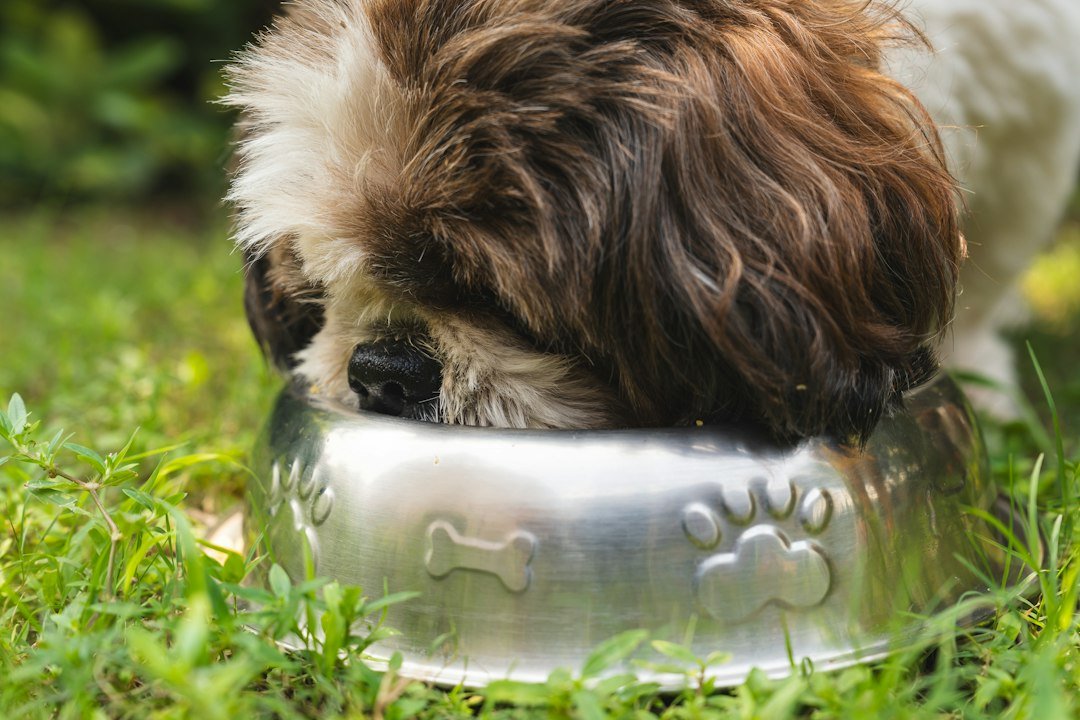
This guide explains food methods, direct pilling, pill pockets, pill dispensers, checking that the medicine was swallowed, what to do if the dog spits it out or vomits, and when changing formulation is safer than repeatedly forcing a tablet.
Read the label first
Before choosing a technique, confirm whether the medicine should be given with food, without food, swallowed whole, split, or followed by water.
Why food instructions matter
Some medicines are absorbed better with food, some are easier on the stomach with food, and others work best on an empty stomach. Administration technique should preserve those instructions.
Start with the easiest method
If the medicine can be given with food and the dog is food motivated, hiding the intact pill in a small treat is often the least stressful option.
Use a small amount of food
Do not bury a pill in a full meal unless you are certain the dog will finish everything. A small portion lets you confirm the medication was swallowed.
Pill pockets
Commercial pill pockets are soft treats designed to hide tablets or capsules. They can be useful when the medicine can be given with food.
Check ingredients when diet matters
Dogs on elimination diets, low-fat diets, kidney diets or food-allergy trials may not be able to use ordinary pill pockets. Ask about compatible alternatives.
Homemade pill-hiding foods
Small pieces of dog-safe food can work, but avoid foods high in fat when pancreatitis is a concern and avoid anything containing xylitol.
Use the “three treat” method
For a food-motivated dog, offer one plain treat, then the medicated treat, then another plain treat immediately. The sequence can encourage quick swallowing.
Why this works
The dog focuses on the next reward instead of chewing the medicated piece carefully enough to discover the tablet.
Check the floor afterward
Some dogs swallow the treat and quietly spit the pill out later. Look for the tablet before assuming the dose was given.
Watch for cheek storage
Dogs can hold pills in the cheek and spit them out after leaving the room. Observe for a moment after administration.
Direct pilling
When food is not allowed or the dog reliably finds hidden pills, direct administration may be necessary.
Position the dog safely
Keep the dog standing or sitting in a stable position. Avoid placing the dog on its back.
Open the mouth gently
Place one hand over the top of the muzzle and gently lift the head enough to open the lower jaw. Do not force painful joints or compress the throat.
Place the pill far enough back on the tongue
A tablet placed near the front is easy to spit out. Aim behind the hump of the tongue when safe to do so.
Close the mouth and encourage swallowing
Hold the mouth closed gently for a moment and stroke the throat or blow lightly on the nose if the dog tolerates it.
Follow with water or food when appropriate
Some pills should be followed by water or food to help move them through the esophagus. This is particularly important for medications known to irritate the esophagus.
Doxycycline deserves special care
Doxycycline tablets and capsules can cause esophageal irritation. Follow the veterinarian’s instructions about food or water after administration rather than dry-pilling.
Pill dispensers
A pill gun or pill popper can place the tablet farther back in the mouth while keeping fingers away from the teeth.
Use only if the dog tolerates it
A struggling or aggressive dog can be injured or can injure the handler. Ask the clinic to demonstrate the tool.
Do not use a closed muzzle during pill administration
The dog needs to open the mouth and swallow normally.
What if the dog bites?
Do not repeatedly force pills into a dog that poses a bite risk. Ask about another formulation or professional administration strategy.
Cooperative-care training
Dogs can learn to accept gentle mouth handling using rewards before medication is needed. Practising when the dog is healthy can make future treatment easier.
Why repeated force can backfire
A dog that is restrained aggressively twice a day may become increasingly fearful, making future doses harder and increasing bite risk.
What if the pill is too large?
Ask whether a smaller strength, split tablet, capsule, chew or liquid is available. Do not crush automatically.
What if the pill can be split?
Confirm that the exact tablet is appropriate for splitting. See Pill-Splitting Safety.
What if the pill can be crushed?
Only crush when the pharmacist or veterinarian confirms the formulation is safe to alter. See Crushing Tablets.
Capsules
Capsules can be slippery and may stick in the mouth or esophagus. Follow with an appropriate small amount of food or water when allowed.
Can capsules be opened?
Not always. Some contain modified-release beads or irritating powder.
Chewable medicines
Many dogs eat flavoured chewables willingly. Still watch to ensure the whole chew is consumed.
Why flavoured medicine must be stored securely
The FDA warns that flavoured veterinary tablets can encourage pets to seek out and consume multiple doses. Store them in a secure cabinet, not with treats.
What if the dog spits the pill out intact?
If you can identify the intact tablet, it can often be re-administered according to the prescription.
What if the pill is partly dissolved?
The amount already swallowed may be uncertain. Ask before giving a replacement dose.
What if the pill falls on the floor?
Pick it up immediately so another pet or child does not ingest it. Replace it only if it remains clean and intact and the veterinarian or pharmacist says it is usable.
What if the dog vomits after taking the pill?
Do not automatically repeat the full dose. Some of the medicine may already have been absorbed.
What if the pill appears in the vomit?
Contact the clinic and describe how long after administration the vomiting occurred and whether the tablet appears whole or partly dissolved.
What if the dog refuses food because it detects medication?
Stop mixing the drug into the dog’s entire meal. A bitter experience can create food aversion.
What if the dog needs several pills?
Ask whether they can be given together. Some medicines need separation because of food, minerals or interactions.
Use a medication schedule
Multiple pills at different times are easier to manage with a written schedule showing drug, strength, time and food instructions.
Do not combine medicines into one homemade capsule unless instructed
Mixing products can alter release, stability or identification.
What if one medicine must be given on an empty stomach?
Plan the day so the empty-stomach drug does not collide with food-dependent medicines.
What if a pill causes drooling?
Bitter taste can trigger salivation. Severe swelling, breathing difficulty or collapse suggests something more serious and needs urgent care.
What if the dog gags?
Stop and allow the dog to recover. Persistent coughing or breathing difficulty can indicate aspiration or airway irritation.
Dogs with megaesophagus
Medication technique may need special positioning because regurgitation and aspiration risk are higher.
Dogs after dental surgery
Mouth pain can make direct pilling inappropriate. Ask about liquid, injectable or smaller formulations during recovery.
Senior dogs
Arthritis of the neck or jaw, cognitive decline and swallowing problems can make routine pilling harder. Modify technique rather than forcing the old method.
Puppies
Use age-appropriate formulations and precise strengths. Very small tablets can be difficult to handle, and puppies may gain weight rapidly.
Boarding and pet sitters
Leave the original labelled medication, written instructions and a demonstrated administration method. Do not assume the sitter knows how the dog accepts pills.
Why the easiest method is often the safest method
A formulation the dog accepts reliably reduces missed doses, double dosing and stressful restraint.
When to ask for another formulation
If medication time is repeatedly failing, the dog is biting, doses are being missed or pills are being spit out, ask whether another form is available.
Related DogMedsHub guides
See Medicine With Food, Pill Splitting, Crushing Tablets and Missed Dose.
Why some dogs swallow pills better with water
A small amount of water can help move tablets or capsules through the esophagus when the medication instructions permit it. The veterinarian may recommend this specifically for irritating medications.
Why dry-pilling can be a problem
A pill can lodge in the esophagus, especially in dogs with swallowing problems or when the tablet is sticky. This is one reason technique matters beyond simply getting the pill past the lips.
What if the dog keeps chewing the pill pocket?
Use a smaller treat so the dog is more likely to swallow quickly, or try the three-treat sequence. A large chewy treat encourages the dog to discover the tablet.
What if the dog eats around the pill?
Use a softer food that completely surrounds the tablet or switch to direct pilling. Confirm the pill was swallowed before counting the dose as complete.
What if the dog refuses the same treat after a few days?
Dogs can learn the smell of medication. Rotate among approved administration foods or ask about another formulation.
Why medication smell matters
Some tablets have strong odours that penetrate soft treats. Handling the medicine separately from the outer treat can reduce contamination of the treat surface.
Use clean hands for the outside of the treat
One practical method is to prepare the medicated centre with one hand and handle the outside with the other, reducing medication smell on the surface.
Why forcing pills into a fearful dog can damage trust
Repeated restraint can make the dog avoid handling, meals and caregivers. When treatment is long term, cooperative methods are worth the effort.
Training with empty pill pockets
Offer occasional unmedicated pill pockets or soft treats so they do not always predict an unpleasant event.
Training a chin rest
Some dogs can learn to rest the chin in the owner’s hand voluntarily. Cooperative-care behaviours can make medication and examinations less stressful.
Using a lick mat
For medicines allowed with food, a small amount of appropriate spreadable food on a lick mat can distract some dogs while a pill is given separately.
Why choking is different from gagging
A brief gag may happen during pilling, but inability to breathe, blue gums or frantic airway distress is an emergency.
What if the pill gets stuck in the mouth?
Allow the dog to reposition and swallow rather than repeatedly pushing with fingers. A pill dispenser may be safer for future doses.
What if the pill gets stuck in the esophagus?
Persistent drooling, repeated swallowing, regurgitation or distress after medication warrants veterinary evaluation.
Dogs with brachycephalic anatomy
Flat-faced dogs can have airway compromise and may tolerate forceful oral handling poorly. Keep the head in a natural position and use low-stress methods.
Dogs with cervical pain
Do not extend the neck aggressively in dogs with neck disease. Ask for a technique that keeps the head neutral.
Dogs with jaw disease
Direct pilling may be painful after dental or jaw surgery. Alternative formulations can reduce discomfort.
What if the dog takes several medications together?
Ask whether pills can be hidden in one treat or need separation. Combining everything can make it impossible to know which medicine was rejected.
Why one pill at a time may be better
For large or bitter tablets, giving separately can make swallowing easier and helps identify which medication caused a problem.
Why pill organizers need labels
A weekly organizer is useful only if the owner can still identify which medicine is in each compartment. Keep the original bottles and current schedule.
What if a capsule opens in the mouth?
Bitter powder can trigger foaming or drooling. Do not assume this is an allergic reaction, but contact the veterinarian if the dog shows swelling, breathing difficulty or collapse.
What if the dog becomes nauseated at medication time?
Anticipatory nausea can develop when pills repeatedly cause stomach upset. Treating the administration method alone will not fix that; the veterinarian may need to adjust timing, food or medication choice.
When a chewable formulation helps
Flavoured veterinary chews can improve adherence dramatically for some dogs, but they must still be stored securely to prevent accidental overdose.
When an injection helps
Some long-acting medications can reduce daily pill burden, though injections have their own risks and are not available for every treatment.
When a transdermal formulation may be considered
Transdermal delivery is useful only for selected drugs and species. It should not be assumed equivalent to oral dosing.
Medication refusal can be clinical information
A dog suddenly refusing a previously accepted medicine may have nausea, mouth pain, swallowing difficulty or worsening disease.
Do not punish medication refusal
Punishment increases fear and can make future administration harder. Change the technique or formulation instead.
Ask the clinic to watch you give one dose
A quick demonstration can reveal small technique problems that are difficult to explain by phone.
Pill-taking checklist
- confirm food instructions;
- choose the least stressful effective method;
- watch the dog swallow;
- check for a spat-out pill;
- record the dose immediately;
- call if repeated administration fails.
Why medication timing should be linked to the successful technique
If a dog reliably takes a pill in a small breakfast treat, keep that routine when the medicine allows it. Changing method and timing repeatedly makes missed or duplicate doses more likely.
What if the dog suddenly stops swallowing a previously easy pill?
New mouth pain, nausea, esophageal discomfort or cognitive change may be involved. A sudden administration problem is worth reporting rather than assuming the dog has become stubborn.
When a veterinary nurse or technician can solve the problem quickly
Many clinics can demonstrate pilling, pill-gun use or low-stress restraint in a short appointment. A practical demonstration is often more useful than repeatedly struggling at home.
Last reviewed: October 2026. Educational information only; use the administration method recommended for the exact medication and dog.