
Cefpodoxime is a prescription cephalosporin antibiotic used in dogs for certain bacterial infections, including FDA-approved treatment of susceptible skin infections such as wounds and abscesses. It is convenient because many canine products are designed for once-daily use, but convenience should never be the reason to choose an antibiotic. The more important questions are whether the infection is truly bacterial, whether cefpodoxime is likely to work against the organism involved, and whether another narrower option would be more appropriate.
Dog Medication Math Calculator
Enter your dog’s current body weight, then use only the dose already provided by your veterinarian or pharmacy label. The calculator converts lb/kg and can work out mg and liquid mL. It does not choose or recommend a dose.
Dose information from your veterinarian
Optional liquid conversion
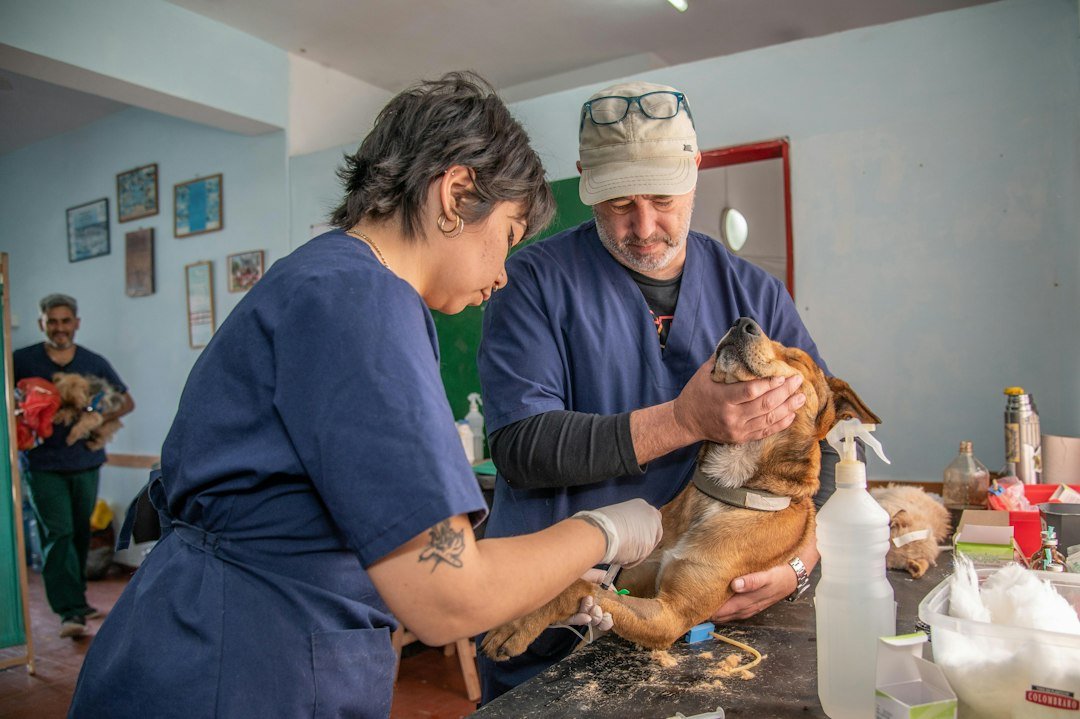
Cefpodoxime belongs to the beta-lactam family of antibiotics. It is related to cephalexin and cefovecin, but these drugs are not interchangeable. They differ in formulation, dosing profile, approved uses and how they fit into antimicrobial stewardship. This page explains what cefpodoxime does, why culture may matter, what owners should monitor, and why a dog that is not improving should be reassessed rather than automatically receiving a longer course.
What cefpodoxime is
Cefpodoxime proxetil is an oral cephalosporin prodrug. After absorption, the body converts it to active cefpodoxime. Like other cephalosporins, it interferes with bacterial cell-wall synthesis. It works only against susceptible bacteria; it does not treat viruses, fungi, allergies, parasites or noninfectious inflammation.
In the United States, cefpodoxime products for dogs are FDA-approved for certain skin infections caused by susceptible organisms. The FDA has approved both the reference product and multiple generic formulations. That means there is a defined veterinary label for canine use, but it does not mean every skin problem or every bacterial infection should automatically receive cefpodoxime.
Why skin infections are the clearest labeled use
Canine bacterial skin disease often develops because another problem has damaged the skin barrier. Allergies, fleas, endocrine disease, moisture, self-trauma, wounds and foreign material can all create conditions in which bacteria proliferate. An antibiotic may be needed, but unless the underlying driver is addressed, the infection can return.
FDA labeling for cefpodoxime in dogs includes susceptible skin infections such as wounds and abscesses. The approved organism list includes common bacterial pathogens identified in canine skin and wound disease. That is useful context, but the label should not be interpreted as permission to treat every red, itchy or draining skin lesion without examination.
Skin cytology can often tell a veterinarian whether bacteria are present and whether the pattern looks more like cocci, rods or yeast. Recurrent, deep, unusual or poorly responsive infections may justify culture and susceptibility testing.
Cefpodoxime versus cephalexin
Both are cephalosporin antibiotics, and both can be useful in canine skin disease. Cephalexin has a long history of veterinary use and is often given more than once daily. Cefpodoxime offers a different oral dosing profile that can make adherence easier for some households.
That convenience can matter if a dog repeatedly misses doses of a more frequent medication. But “easier to give” does not automatically mean “better antibiotic.” If cephalexin is a suitable narrow, effective option and the owner can administer it reliably, there may be no clinical advantage to switching solely because cefpodoxime sounds newer.
For a drug-specific comparison, see Cephalexin for Dogs. This page remains focused on cefpodoxime.
Cefpodoxime versus cefovecin
Cefovecin is a long-acting injectable cephalosporin. Cefpodoxime is given orally. The injection can be useful when oral medication is impossible, but once a long-acting injectable has been administered it cannot be “taken back” if an adverse reaction occurs or the treatment plan changes.
Oral cefpodoxime gives the veterinarian more flexibility to stop or change therapy. On the other hand, the owner must actually give the medication as directed. The best choice depends on the dog, the infection, adherence, culture information and the clinician’s judgment.
Why culture may matter
Culture and susceptibility testing become more important when an infection is recurrent, deep, unusual, caused by rod-shaped bacteria, associated with previous antibiotic exposure or not responding as expected. Repeated empirical treatment can select resistant organisms and can also obscure the real reason the infection keeps returning.
A proper sample matters. Swabbing the surface of a draining lesion may grow contaminants. Deep tissue, aspirate or another properly collected sample may provide better information. The veterinarian decides which method fits the lesion.
If culture shows that a narrower antibiotic will work, stewardship may favor switching to that option even if cefpodoxime is also listed as susceptible.
Why cefpodoxime should not be used for every itch or rash
Many itchy dogs do not have a primary bacterial problem. Flea allergy, environmental allergy, food-responsive disease, mites, yeast, contact irritation and autoimmune disease can all cause redness or hair loss. Antibiotics do not treat these causes.
A dog with allergies may develop a secondary bacterial infection, in which case treating both problems matters. If the infection clears but the allergy remains uncontrolled, the next flare may appear quickly. That is not necessarily “antibiotic failure.”
What owners should know before the first dose
Tell the veterinarian about previous reactions to penicillins or cephalosporins. Cross-reactivity is not guaranteed, but a history of severe beta-lactam allergy is clinically important. Also disclose kidney disease, seizure history, pregnancy or nursing status, and every other medication or supplement the dog receives.
If the dog has had several recent antibiotic courses, mention them by name if possible. Prior exposure influences the likelihood of resistant bacteria and may change whether culture is recommended before another treatment is started.
Cefpodoxime dosage by weight: skin-infection context matters
Merck currently lists cefpodoxime at 5–10 mg/kg by mouth every 12–24 hours in dogs and cats. In canine antistaphylococcal skin-infection references, cefpodoxime is commonly listed at 5–10 mg/kg once daily, with treatment length based on clinical resolution and recheck findings.
| Reference context | Published canine guidance | Why it matters |
|---|---|---|
| General cephalosporin reference | 5–10 mg/kg PO every 12–24 hours | Broad pharmacology range |
| Canine skin infection | 5–10 mg/kg PO every 24 hours | Once-daily skin-use context |
| Antimicrobial stewardship | Reserve systemic therapy for cases that actually need it | Many superficial pyodermas should be managed topically first |
Sources: Merck cephalosporin dosing table and Merck canine pyoderma guidance. The drug should not be selected from weight alone; skin cytology, infection depth and culture history matter.
How cefpodoxime is given
Veterinary cefpodoxime is available as oral tablets, and some products or compounded forms may be available as liquids. Follow the exact label supplied by the veterinarian or pharmacy. Do not substitute a human formulation without veterinary direction.
Cefpodoxime can generally be given with or without food. If the dog vomits when the medication is given on an empty stomach, the veterinarian may advise giving subsequent doses with food. Repeated vomiting is different: that deserves a call rather than simply continuing the same plan.
If using a liquid, shake it as instructed and measure with an oral syringe. Check the concentration at every refill. Different liquid formulations can contain different amounts per milliliter.
Why DogMedsHub does not provide an autonomous dose calculator
Body weight is only one piece of antibiotic prescribing. The veterinarian also needs to consider the infection site, bacterial susceptibility, kidney function, formulation and treatment duration. A calculator cannot determine whether the dog has a bacterial infection at all.
For that reason, DogMedsHub focuses on safe administration and monitoring rather than generating an antibiotic dose from weight alone.
Common side effects
The most frequently reported problems include vomiting, diarrhea, reduced appetite and lethargy. Mild gastrointestinal upset may improve, but persistent or severe symptoms deserve veterinary advice.
A dog being treated for a skin infection should not become steadily more lethargic, dehydrated or unwilling to eat while everyone assumes the antibiotic simply “needs more time.” Those signs may reflect intolerance, worsening infection or another illness.
Allergic reactions
Hypersensitivity reactions are uncommon but can be serious. Facial swelling, hives, difficulty breathing, pale gums, collapse or a rapidly developing rash requires urgent attention. A dog can react after previous uneventful exposure, so a medication is not automatically safe forever just because it was tolerated in the past.
Why kidney disease matters
Cephalosporins are cleared in part through the kidneys. Significant renal impairment can alter exposure and may change how the veterinarian approaches dosing or monitoring. Senior dogs, dehydrated dogs and animals with known kidney disease deserve particular attention.
If a dog develops vomiting and diarrhea while taking an antibiotic, dehydration can further affect kidney perfusion. Contact the clinic if fluid intake falls or the dog appears weak.
What if a dose is missed?
Do not double the next dose unless the veterinarian specifically tells you to. If the missed dose is noticed close to the next scheduled dose, the usual approach may be to skip it and resume the normal schedule, but the exact plan should follow the prescription.
See Missed Dog Medication Dose for general safety guidance.
What if an extra dose is given?
Call the veterinarian with the tablet strength, amount given, dog’s weight and time of the mistake. Extra exposure can increase gastrointestinal adverse effects. A very large accidental ingestion or a dog with kidney disease deserves prompt professional advice.
Our Dog Got a Double Dose of Medication page explains what information to collect before calling.
Why vomiting after a dose should not trigger automatic redosing
If a dog vomits soon after cefpodoxime, some of the medication may already have been absorbed. Repeating the entire dose can create excess exposure. Note the timing and whether the tablet was visible, then call for guidance if you are unsure.
How to judge whether a skin infection is improving
Useful improvement may include less redness, reduced discharge, less odor, less pain and healing of wounds or pustules. Itching may not disappear if allergy remains active. That distinction is important because a dog can have an improving bacterial infection while still scratching from the underlying allergic disease.
Take photos at the start of treatment if the veterinarian agrees. Comparing the same area under similar lighting can help show whether redness, swelling or lesion count is actually changing.
When lack of improvement deserves reassessment
FDA labeling for cefpodoxime warns against simply continuing acute treatment when there is no response. The exact timeline depends on the infection, but a dog that is clearly not improving should be reevaluated rather than automatically receiving more medication.
Possible explanations include resistance, wrong diagnosis, inadequate drainage, a retained foreign body, deep infection, poor adherence, incorrect formulation or an uncontrolled underlying condition such as allergy or endocrine disease.
Why abscesses may need drainage
Antibiotics cannot always penetrate a sealed pocket of pus effectively. Some abscesses need clipping, cleaning, drainage or surgical treatment. A dog with a swollen painful lump that becomes larger despite antibiotics may need source control rather than a stronger drug.
Why wounds need more than antibiotics
Bite wounds, punctures and contaminated injuries may hide tissue damage beneath a small surface opening. Debridement, flushing and monitoring for dead tissue or foreign material can be essential. Antibiotics support wound care; they do not replace it.
Antibiotic stewardship and cefpodoxime
Responsible use means prescribing an antibiotic only when there is a reasonable bacterial indication, choosing an appropriate spectrum, giving it reliably, reassessing treatment failure and narrowing therapy when culture supports a better option.
Owners can help by not saving leftover tablets, not sharing them between pets, not starting them for a new rash without veterinary advice and not stopping simply because the skin looks better unless the veterinarian changes the plan.
For a wider discussion, see Antibiotic Resistance in Dogs.
Why recurrent skin infections need an underlying-cause plan
If a dog needs antibiotics again and again, the most important next question is often not which antibiotic to choose. Allergic skin disease, endocrine problems, parasites, chronic moisture, skin-fold disease and resistant organisms can all set up repeated infection. A long-term plan that reduces recurrence is more valuable than rotating through cephalosporins every time the skin becomes red.
Ask whether the dog needs allergy control, flea prevention, endocrine testing, medicated bathing, culture, weight management or another preventive step. Antibiotics treat the bacterial component; they do not rebuild the skin barrier or remove the trigger by themselves.
A realistic scenario: convenience versus diagnosis
Imagine a dog with recurrent itchy skin that has received several antibiotics over the past year. The owner asks for cefpodoxime because once-daily treatment would be easier. Cytology now shows mostly yeast with minimal bacteria. In that situation, cefpodoxime may add little while exposing the dog’s microbiome to another antibiotic course. Treating the yeast and investigating the allergy would be more useful.
Now consider a dog with a painful infected wound. Cytology and culture support a susceptible bacterial infection, the wound has been properly cleaned, and the household has struggled with medications given several times a day. A once-daily cefpodoxime plan may improve adherence and make sense. The difference is not the drug—it is the clinical context.
When to call the veterinarian
Contact the clinic if vomiting or diarrhea persists, appetite falls markedly, the infection becomes more painful or swollen, pus increases, fever develops, the dog becomes unusually lethargic or the skin fails to improve as expected.
When urgent care is appropriate
Seek urgent help for difficulty breathing, facial swelling, collapse, pale gums, rapidly spreading swelling, severe weakness or another suspected allergic reaction. Deep bite wounds, rapidly expanding cellulitis and painful infections accompanied by systemic illness can also require prompt evaluation.
What owners should track
- dose times and missed doses;
- food intake and vomiting;
- stool quality;
- size, redness and drainage of the infected area;
- pain and scratching;
- temperature if the veterinarian has asked you to monitor it;
- other antibiotics used recently;
- any rash, facial swelling or breathing change.
Questions worth asking the veterinarian
- Is this infection confirmed to be bacterial?
- Would cytology or culture change the treatment choice?
- Why cefpodoxime instead of cephalexin or another antibiotic?
- Should I give it with food if my dog has a sensitive stomach?
- What should improve first and by when?
- What would make you repeat a culture or change antibiotics?
- What underlying problem could make the infection return?
How this page fits DogMedsHub
This is DogMedsHub’s main medication guide for cefpodoxime. The Antibiotics for Dogs hub explains the broader role of antibiotic classes, while Cephalexin for Dogs covers another commonly used oral cephalosporin. Keeping these pages distinct helps avoid turning every antibiotic article into the same generic discussion.
Sources and review notes
FDA records identify cefpodoxime proxetil as an approved oral antimicrobial for dogs and list labeled use for susceptible skin infections, including wounds and abscesses. The FDA has also approved several generic cefpodoxime products. VCA veterinary medication guidance describes common gastrointestinal adverse effects, allergy precautions and the need for caution in kidney disease.
Related condition guide
For the broader diagnosis, treatment goals and red-flag context, see Bacterial Infections in Dogs. This medication page remains the main source for this drug’s dose context, adverse effects, interactions and monitoring.
Last reviewed: October 2026. DogMedsHub provides source-backed canine medication guidance. This page does not diagnose an infection, select an antibiotic or provide an individualized cefpodoxime dose.