
ABCB1 drug sensitivity—historically called MDR1 sensitivity—is a genetic difference that can make some dogs unusually vulnerable to neurologic toxicity from certain medicines. The mutation affects P-glycoprotein, a transport protein that helps keep specific drugs out of the brain and moves them out of cells. When that transporter does not work normally, drug concentrations in the central nervous system can become much higher than expected.
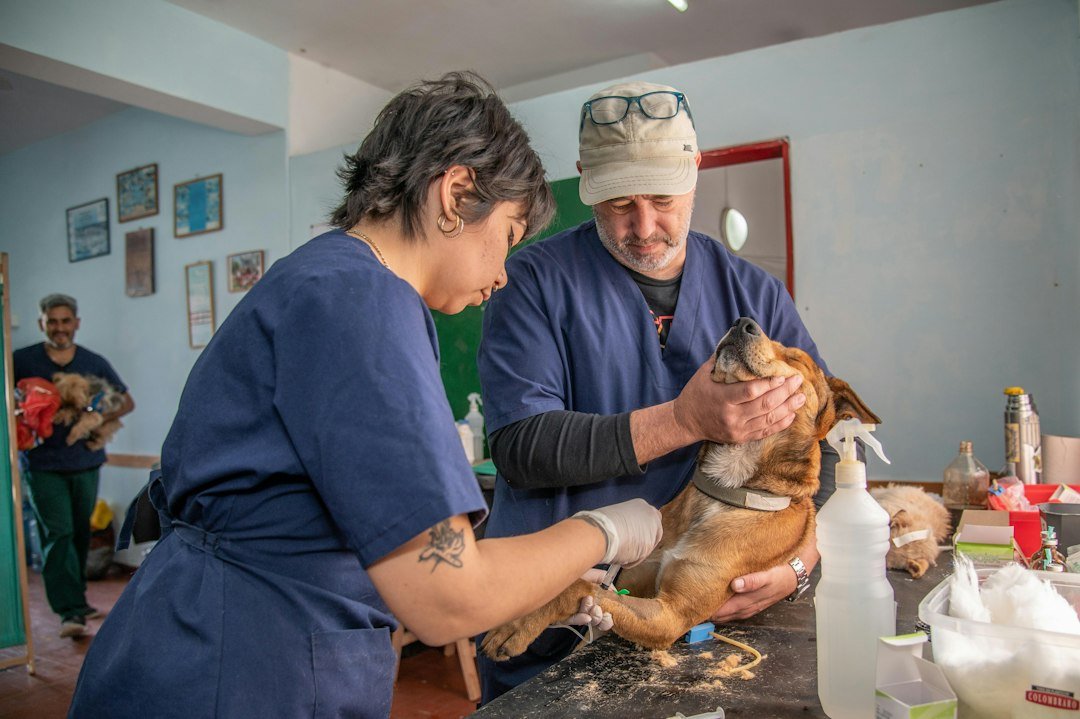
This guide explains what ABCB1/MDR1 means, which dogs are more likely to carry the variant, why labeled heartworm preventives are not the same risk as high-dose ivermectin, which medicines deserve special attention, what neurologic toxicity can look like, how genetic testing works, and how owners can use a result without becoming unnecessarily afraid of every medication.
What ABCB1 means
ABCB1 is the current gene name for what was historically called MDR1, short for multidrug resistance 1. The gene encodes P-glycoprotein, a transporter found in several tissues, including the blood-brain barrier.
P-glycoprotein acts like a molecular pump. It helps move certain drugs away from sensitive tissues and out of the brain. When the protein is defective or absent, drugs that are normally excluded from the central nervous system can accumulate there.
Why the blood-brain barrier matters
The brain is protected by tightly regulated blood vessels that restrict the entry of many substances. P-glycoprotein is part of that protection for selected drugs.
In an ABCB1-affected dog, a medicine that is safe at a particular systemic concentration in most dogs may reach much higher concentrations in the brain and produce neurologic effects.
Which breeds are more likely to carry the variant?
Collies are the breed most strongly associated with the classic ABCB1 mutation, but the variant also occurs in Australian Shepherds, Miniature American Shepherds, Shetland Sheepdogs, Old English Sheepdogs, English Shepherds, Longhaired Whippets, Silken Windhounds and several related breeds.
Mixed-breed dogs with herding or sighthound ancestry can carry the variant too. Appearance alone cannot confirm or exclude it.
One copy versus two copies
A dog can inherit one altered copy of the gene or two. Dogs with two altered copies generally have the greatest sensitivity because they produce little or no functional P-glycoprotein. Dogs with one altered copy can also show increased sensitivity, although the degree may be less predictable.
The actual laboratory report should be kept with the dog’s medical records rather than reduced to “positive” or “negative” without context.
How genetic testing works
ABCB1 testing usually uses a cheek swab or blood sample. The laboratory identifies whether the dog carries normal or mutant copies of the gene.
The Washington State University MDR1 resource provides breed and medication guidance based on this mutation and is one of the most established veterinary references for owners and clinicians.
When testing is especially useful
Testing is worth discussing in breeds with known prevalence, mixed-breed dogs with relevant ancestry, and dogs that may need medicines known to be strongly affected by P-glycoprotein function.
Testing can also be valuable after an unexplained neurologic reaction to a drug that is an ABCB1 substrate.
ABCB1 is not an allergy
The mutation does not mean the immune system is allergic to a medicine. It changes drug transport and exposure.
This distinction matters because a dog may safely receive a lower labeled dose of a drug yet develop toxicity at a much higher off-label exposure.
Ivermectin is the classic example
Ivermectin toxicity in Collies helped reveal the importance of MDR1/ABCB1. High ivermectin doses used historically for mange can enter the brain of affected dogs and cause severe neurologic depression.
The Merck Veterinary Manual antiparasitic review describes this susceptibility and the neurologic signs associated with excessive ivermectin exposure in affected breeds.
Labeled heartworm-prevention ivermectin is different
This is one of the most important points for owners. The ivermectin exposure in an approved heartworm preventive is far lower than the high-dose regimens historically used for mites.
Washington State University notes that the FDA has determined labeled Heartgard ivermectin prevention to be safe in dogs with the MDR1 mutation. That does not mean every ivermectin formulation or dose is safe.
Milbemycin and ABCB1
Milbemycin oxime is another macrocyclic lactone and a P-glycoprotein substrate. At labeled heartworm-prevention doses, manufacturer testing has supported safety in affected dogs.
Higher-dose off-label use deserves greater caution and veterinary supervision.
Moxidectin and ABCB1
Moxidectin belongs to the same broad macrocyclic-lactone family. Labeled preventive products are designed with safety margins, but excessive or off-label exposure can increase neurologic risk in susceptible dogs.
Product formulation and dose context should always be considered.
Selamectin and other macrocyclic lactones
Selamectin is also in the macrocyclic-lactone family. Approved preventive products are generally used safely at labeled doses, while concentrated or unusual exposures should be assessed separately.
Loperamide is a major non-parasite example
Loperamide, better known as Imodium, is normally kept largely out of the brain by P-glycoprotein. In dogs with the ABCB1 mutation, doses used for diarrhea can cause serious neurologic toxicity.
Washington State University specifically advises avoiding loperamide in dogs with the MDR1 mutation.
Why over-the-counter does not mean safe
Loperamide illustrates a broader principle: human over-the-counter status says nothing about ABCB1 safety in dogs. Drug transport biology is species- and genotype-specific.
Owners should not use human medications casually simply because they are available without prescription.
Some chemotherapy drugs are affected
P-glycoprotein transports several chemotherapy agents, including drugs used in veterinary oncology. ABCB1 status can influence toxicity risk and may affect how an oncologist chooses or adjusts treatment.
Do not interpret this as a reason to avoid cancer treatment. It is a reason to give the oncologist the genetic result before therapy begins.
Some sedatives and pain medicines can also matter
Certain opioids and other centrally acting medicines are P-glycoprotein substrates. The relevance varies by drug, dose and route.
A dog’s ABCB1 report should therefore be available to every veterinarian involved in anesthesia, pain management or emergency care.
Why a medication list is more useful than memory
Keep a written or digital list of all prescriptions, preventives, supplements and occasional over-the-counter products. Mark the ABCB1 result clearly on the list.
In an emergency, another veterinarian may not have immediate access to the dog’s regular medical record.
What neurologic toxicity can look like
Signs depend on the drug and exposure but can include excessive sedation, wobbliness, weakness, tremors, dilated pupils, drooling, disorientation, apparent blindness, slowed responses, collapse, coma or respiratory depression.
Any new neurologic sign after a known ABCB1-sensitive drug deserves prompt veterinary assessment.
Why apparent blindness can occur
Dogs with macrocyclic-lactone toxicity can develop profound neurologic dysfunction that affects vision or visual processing. Owners may notice the dog bumping into objects, failing to track movement or having widely dilated pupils.
This is an emergency sign, not something to observe casually overnight.
What to do after a suspected overdose
Call the veterinarian or animal poison service with the product name, strength, concentration, amount, time of exposure and dog’s ABCB1 status if known. Keep the package.
Do not induce vomiting if the dog is already sedated, wobbly or neurologically abnormal unless a veterinary professional specifically instructs you.
Why concentrated livestock products are high risk
Livestock ivermectin and related products may contain concentrations designed for animals hundreds of kilograms heavier than a dog. A small measuring error can produce a very large exposure.
Dogs with ABCB1 sensitivity are at particular risk, but even genetically normal dogs can be poisoned by large enough doses.
There is no simple home antidote
Treatment of severe macrocyclic-lactone toxicity is supportive. Veterinary teams may provide fluids, respiratory support, temperature management, nutritional care and intensive nursing while the drug is eliminated.
Recovery can take days or longer depending on exposure.
Why early veterinary care helps
Early assessment may allow decontamination before neurologic depression becomes severe, depending on the drug and timing. Once a dog cannot swallow safely or remain alert, home interventions can create aspiration risk.
ABCB1 status should not create blanket fear of anesthesia
Affected dogs can still undergo anesthesia and receive pain control. The veterinary team simply needs to choose and dose drugs with the genotype in mind.
Avoiding necessary medical care out of fear can be more dangerous than using an appropriate medication plan.
ABCB1 status should not stop heartworm prevention
Heartworm disease itself is dangerous and preventable. Approved macrocyclic-lactone preventives can generally be used safely at label doses even in affected dogs, according to current veterinary guidance.
The veterinarian can select a product that fits the dog’s genotype, lifestyle and parasite risks.
Why dose still matters within the same drug
A drug can be safe at one exposure and toxic at another. ABCB1 sensitivity is therefore not a simple yes/no list of forbidden drugs.
The indication, dose, route, formulation and combination with other medicines all matter.
Why drug interactions can increase risk
Some medicines inhibit P-glycoprotein or drug-metabolizing enzymes and may increase exposure to another substrate. Interaction risk is one reason the full medication list matters even when each medicine is individually familiar.
What if the dog previously tolerated a medicine?
Past tolerance at one dose does not guarantee safety at a higher dose or in combination with another drug. Age, illness and changes in other medications can also affect exposure.
What if the dog had a reaction but was never tested?
Discuss genetic testing with the veterinarian, especially if the reaction involved neurologic signs after a known ABCB1 substrate. Testing may help guide future treatment even after the immediate problem has resolved.
How to record the result
Keep a copy of the laboratory report in the veterinary record and on your phone. Consider adding “ABCB1/MDR1: affected/carrier/normal” to a medication card used during travel or boarding.
Boarding and daycare
Facilities sometimes administer owner-provided medications. Supply written instructions and tell them about the ABCB1 result if emergency medication could be needed.
Travel and emergency clinics
When traveling, carry the dog’s medication list and test result. In an emergency away from home, this information can influence drug selection before the regular clinic is reachable.
Breeding considerations
Because the variant is inherited, breeders can use genetic testing to make informed mating decisions and reduce production of affected puppies.
Breeding choices should consider overall health and genetic diversity rather than focusing on one gene in isolation.
Mixed-breed dogs
Mixed ancestry does not eliminate risk. A dog may inherit the variant even when only one part of its ancestry involves an at-risk breed.
Testing is more reliable than guessing from appearance.
Why internet breed lists are not enough
Breed prevalence data evolves as more dogs are tested. Use a reputable veterinary genetics source rather than assuming a social-media list is complete.
ABCB1 and loperamide in particular
Because loperamide is sold without prescription, it deserves special emphasis. A dog with ABCB1 sensitivity can experience central-nervous-system toxicity at doses owners may see recommended online for diarrhea.
Do not use loperamide in an ABCB1-affected dog unless a veterinarian with full knowledge of the genotype specifically directs otherwise.
ABCB1 and heartworm preventives: the practical takeaway
Do not skip heartworm prevention out of fear. Use a labeled canine product at the veterinarian-recommended dose and schedule. The risk profile is very different from high-dose ivermectin or concentrated livestock formulations.
Questions to ask after an ABCB1 result
- Is my dog normal, a carrier or affected?
- Which current medicines are relevant to this result?
- Can my dog continue its heartworm preventive?
- Should loperamide be avoided completely?
- Does the result matter for anesthesia or chemotherapy?
- Which emergency drugs should another clinic know about?
- Should family members or breeders test related dogs?
ABCB1 within DogMedsHub
Related guides include Ivermectin for Dogs, Milbemycin for Dogs, Moxidectin for Dogs and Loperamide (Imodium) for Dogs.
When to seek emergency care
Seek urgent veterinary care for severe sedation, inability to stand, tremors, dilated pupils with abnormal behavior, apparent blindness, collapse, coma, breathing difficulty or a known overdose of a high-risk drug in an affected dog.
Why the result matters before anesthesia
Dogs with ABCB1 variants can still have routine dental work, surgery and emergency procedures. The important step is making the genotype visible to the anesthesia team before premedication is chosen. Some opioids and other centrally acting medicines can be affected by P-glycoprotein transport, so dose selection and monitoring may be adjusted.
Do not delay necessary surgery simply because the dog is ABCB1 affected. The result is information for safer planning, not a reason to avoid anesthesia altogether.
Why oncology teams should know the result
Several chemotherapy drugs are P-glycoprotein substrates. In affected dogs, exposure can be higher and toxicity may be more pronounced. Veterinary oncologists can take genotype into account when selecting protocols and monitoring blood counts or gastrointestinal effects.
Owners should provide the actual laboratory report rather than relying on memory, especially when care moves between hospitals.
Emergency clinics need the information quickly
In an emergency, clinicians may need to choose sedatives, pain medicines or antiparasitic drugs before a full history is available. Keep the ABCB1 result in the dog’s phone medical file, travel folder or collar/ID record so it can be shared immediately.
This is particularly useful when the regular veterinary clinic is closed or the dog is being treated in another city.
Why one “safe drug list” is not enough
Internet lists often divide drugs into “safe” and “unsafe,” but real pharmacology is more nuanced. Dose, route, formulation, other medicines and the dog’s exact genotype all affect risk. A drug that is acceptable at one labeled exposure may become dangerous at a much higher one.
Use reputable veterinary guidance and the prescribing veterinarian’s judgment rather than treating a list as a substitute for medical advice.
Why the result belongs in every medication review
A dog’s medication list changes over time. New pain medicines, behavior drugs, anti-diarrhoeals or cancer treatments may be added years after the original genetic test. Revisit the ABCB1 result whenever a new centrally acting or known P-glycoprotein-substrate drug is prescribed.
What carriers should owners understand?
Dogs with one altered copy may have an intermediate risk profile. They are not automatically equivalent to dogs with two normal copies, and they are not always as sensitive as dogs with two altered copies.
The laboratory interpretation and the specific medicine matter. Keep the result wording intact instead of shortening it to “MDR1 positive.”
Why a previous adverse reaction deserves precise documentation
Record the drug, formulation, dose, route, timing and exact signs that occurred. “Bad reaction to ivermectin” is less useful than “became ataxic and profoundly sedated after concentrated livestock ivermectin exposure.”
Precise documentation prevents unnecessary avoidance of safer labeled products while protecting the dog from repeating the genuinely dangerous exposure.
How breeders can use ABCB1 information responsibly
Genetic testing can reduce the chance of producing puppies with two altered copies, but breeding decisions should consider the whole dog—health, temperament, genetic diversity and other inherited conditions. One gene should not become the sole selection criterion.
What if the dog’s breed is not on a classic risk list?
Breed lists are useful screening tools, not guarantees. Mixed ancestry and newly documented breed prevalence can change risk. If a dog has a suspicious drug reaction, testing can still be reasonable even when the breed is not traditionally highlighted.
Last reviewed: October 2026. Educational information only; ABCB1/MDR1 results should be interpreted with a veterinarian in the context of the specific medicine, dose and indication.