
Methocarbamol is a centrally acting muscle relaxant that veterinarians use in dogs to reduce painful muscle spasm and rigidity associated with problems such as trauma, muscle injury, intervertebral disc disease and selected toxic or neurologic conditions. It is not an anti-inflammatory drug, and it does not repair a torn muscle, slipped disc or damaged ligament. Its job is narrower: reduce excessive muscle contraction so the dog can be more comfortable while the underlying problem is treated.
Dog Medication Math Calculator
Enter your dog’s current body weight, then use only the dose already provided by your veterinarian or pharmacy label. The calculator converts lb/kg and can work out mg and liquid mL. It does not choose or recommend a dose.
Dose information from your veterinarian
Optional liquid conversion
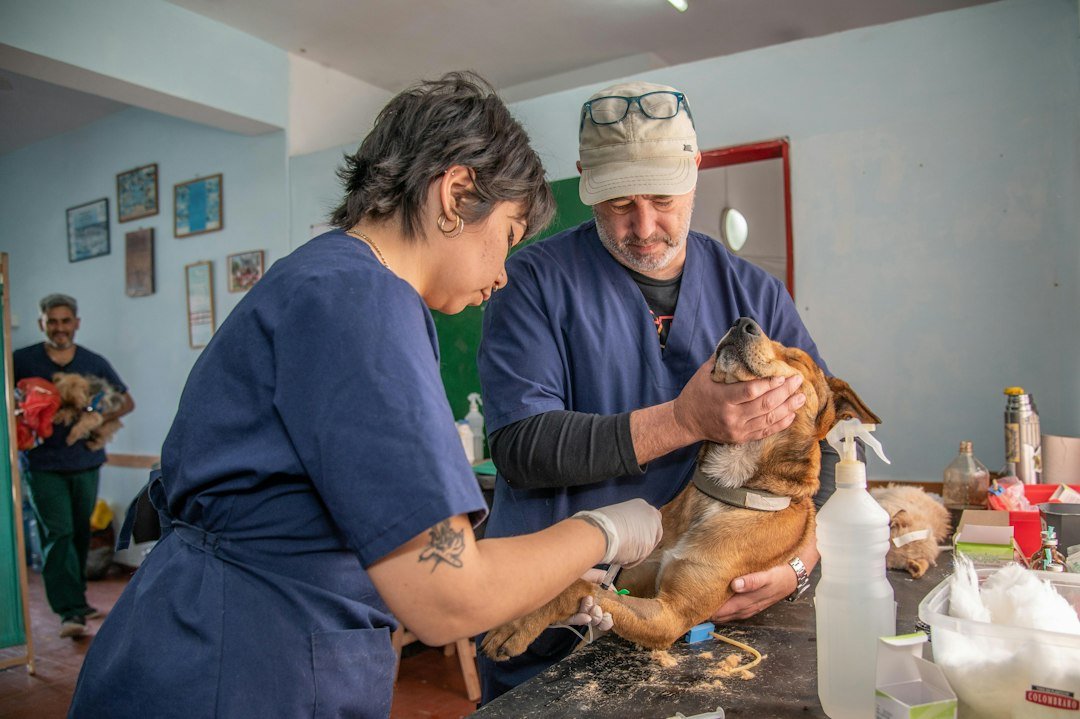
Owners often hear “muscle relaxant” and assume the medicine simply makes the dog sleepy. Sedation can occur, but that is not the treatment goal. Methocarbamol acts within the central nervous system to decrease abnormal muscle activity. It may be used alongside pain relief, anti-inflammatory medication, rest, rehabilitation or other treatment depending on the diagnosis. This guide explains where methocarbamol fits, what owners should expect, which combinations deserve caution and when new weakness or wobbliness should trigger a call to the veterinarian.
What methocarbamol is
Methocarbamol is a centrally acting skeletal muscle relaxant. Merck Veterinary Manual describes it as an adjunct treatment for acute inflammatory and traumatic conditions of skeletal muscle and as a way to decrease muscle spasm in dogs, cats and horses. Its exact mechanism is not fully understood, but it acts through the central nervous system rather than directly relaxing individual muscle fibers.
That distinction matters because a dog can still have a painful orthopedic or neurologic problem after the muscle spasm improves. The medicine may reduce one layer of discomfort while the veterinarian continues to address the original injury or disease.
Why muscle spasm can make pain much worse
Muscles tighten for a reason. After injury, inflammation or instability, the body may increase muscle tone to protect the area. But prolonged spasm can create a cycle: pain causes guarding, guarding increases muscle tension, and that extra tension creates more pain.
A dog with a painful back may hold the spine rigidly, tremble or resist turning. A dog with a muscle strain may tense the injured region and move awkwardly. Reducing spasm can make rest and recovery more tolerable without pretending that the underlying lesion has disappeared.
Intervertebral disc disease and back pain
Methocarbamol is commonly considered when dogs with intervertebral disc disease or another painful spinal condition develop muscle spasm. It can be used with other medications as part of conservative management or around surgical care depending on the case.
Back pain, however, can become a neurologic emergency. A dog that suddenly becomes weak, drags a leg, cannot stand, loses bladder control or becomes unable to walk needs prompt veterinary assessment. A muscle relaxant should never be used to delay examination when neurologic function is changing.
Muscle strains and trauma
After a collision, fall, awkward landing or intense activity, muscles can become painful and tight. Methocarbamol may help when spasm is a clear part of the problem, but the veterinarian still needs to rule out fractures, joint injury, cruciate ligament damage, tendon injury or internal trauma.
If the dog is severely lame or pain appears suddenly after an accident, do not assume it is “just a pulled muscle.” Pain relief can make a dog look better before the full injury is understood.
Tetanus and toxin-related rigidity
Methocarbamol has also been used in conditions characterized by severe muscle rigidity or tremors, including tetanus and certain toxic exposures. In these cases it is part of supportive treatment, not a home remedy. Dogs may need hospitalization, airway monitoring, fluids, seizure control or antidotal treatment depending on the toxin or disease.
If a dog develops sudden generalized tremors, stiff gait, continuous muscle activity or severe agitation after possible toxin exposure, contact a veterinarian or animal poison service immediately rather than giving leftover medication.
Methocarbamol is not the same as an NSAID
Carprofen, meloxicam, firocoxib and other NSAIDs reduce inflammatory pathways. Methocarbamol reduces muscle spasm through the central nervous system. The two drug types may be used together because they address different components of pain.
That does not mean every dog needs both. An NSAID may be inappropriate in a dog with kidney disease, gastrointestinal ulceration or certain other risks. Methocarbamol does not protect the dog from those NSAID risks.
Methocarbamol versus gabapentin
Gabapentin is used for neuropathic pain and as part of multimodal analgesia. Methocarbamol is more specifically aimed at muscle spasm and rigidity. Both can cause sedation or incoordination, which becomes important when they are combined.
If a veterinarian intentionally prescribes both, ask what each medication is supposed to accomplish and what level of drowsiness is acceptable. See Gabapentin for Dogs for the separate drug guide.
Methocarbamol versus amantadine
Amantadine is generally used as an adjunct for chronic pain involving central sensitization. Methocarbamol is usually chosen when muscle spasm itself is a treatment target. A dog with chronic arthritis and a dog with an acutely spasming back may both be painful, but the pharmacologic goals are different.
See Amantadine for Dogs for the chronic-pain context.
Methocarbamol dosage by weight: why the condition changes the range
Current Merck guidance lists methocarbamol at 15–20 mg/kg by mouth or IV every 8 hours for standard muscle-relaxant use in dogs. Much higher doses may appear in toxicology protocols for severe tremorgenic mycotoxin exposure, which is a completely different emergency setting.
| Reference context | Published range | Meaning |
|---|---|---|
| Typical canine muscle-relaxant use | 15–20 mg/kg PO or IV every 8 hours | Used for spasm-related conditions under veterinary supervision. |
| Tremorgenic toxin treatment | Much higher emergency doses may be used | Hospital toxicology context; not comparable with routine home treatment. |
See the Merck Veterinary Manual central muscle relaxant reference and the canine exertional myopathy guidance.
How methocarbamol is given
Veterinarians may use oral or injectable methocarbamol depending on the severity of the condition. Hospitalized dogs with severe tremors or rigidity may receive injectable treatment, while dogs recovering at home often receive tablets.
Follow the veterinary label exactly. If a veterinarian has already supplied a confirmed mg/kg instruction, DogMedsHub’s dosage calculator can check arithmetic, but it cannot diagnose spasm severity or judge the safety of combining methocarbamol with other CNS depressants.
Food and administration
Methocarbamol can often be given with or without food. If the dog develops stomach upset, the veterinarian may suggest giving future doses with a small meal. Repeated vomiting, marked lethargy or inability to keep water down deserves a call rather than simply changing the timing at home.
Keep tablets in the original prescription container. Human methocarbamol products may have different strengths, and other human muscle relaxants such as baclofen can be much more dangerous to dogs.
Common side effects
Sedation, weakness and ataxia—an unsteady or wobbly gait—are among the most important effects owners may notice. Vomiting can also occur. These signs are especially relevant because the dog may already have a neurologic or orthopedic problem that also causes weakness or poor coordination.
The key question is whether the change matches the expected medication effect or represents worsening disease. If a dog with a back problem becomes suddenly weaker in the hind limbs, do not assume methocarbamol is the only explanation.
Why wobbliness needs context
A mildly sleepy dog that walks carefully after a dose is different from a dog that cannot support its weight, knuckles over on the paws or drags the hind legs. Those neurologic changes can indicate progression of spinal disease.
When in doubt, record a short video and contact the clinic. Video can help distinguish sedation from a change in gait or neurologic function.
Combining methocarbamol with other sedating drugs
Merck Veterinary Manual cautions that methocarbamol is a central nervous system depressant and should not be casually combined with other CNS depressants. In veterinary practice, combinations may still be used deliberately, but the total sedative burden needs to be considered.
Gabapentin, opioids, trazodone, benzodiazepines and some antihistamines can all add sedation or incoordination. Tell the veterinarian everything the dog receives, including medications given only “as needed.”
Methocarbamol and opioids
An opioid may be appropriate for severe pain, but pairing it with another CNS-depressing drug can increase drowsiness. A heavily sedated dog can have difficulty standing, navigating stairs or eating normally.
Follow the prescribed schedule and use a safe, low-risk environment until you know how the combination affects the dog.
Methocarbamol and trazodone
Trazodone is often used to reduce anxiety or help enforce rest after surgery or injury. If trazodone and methocarbamol are both prescribed, expect the veterinarian to consider additive sedation.
Do not add an old trazodone prescription simply because the dog is restless during recovery. Restlessness can reflect pain, urinary discomfort, medication effects or anxiety, and the safest solution depends on the cause.
Liver and kidney considerations
Methocarbamol is extensively metabolized in the liver, and its metabolites are excreted in the urine. Dogs with significant liver or kidney disease may require more individualized prescribing and monitoring.
Tell the veterinarian about known organ disease and provide recent laboratory results if available, especially in senior dogs taking several medications.
What if a dose is missed?
Do not double the next dose unless the prescribing veterinarian specifically tells you to. If the missed dose is noticed near the next scheduled time, the safest approach may be to skip it and resume the regular schedule.
See Missed Dog Medication Dose for general guidance.
What if an extra dose is given?
Contact the veterinarian with the tablet strength, amount, time and dog’s weight. Excess methocarbamol can produce lethargy, weakness, vomiting and marked ataxia; larger ingestions can cause more serious central nervous system depression.
Merck Veterinary Manual recommends supportive monitoring after significant overdose, including attention to CNS and respiratory depression. See Dog Got a Double Dose of Medication for the information to gather before calling.
Why human muscle relaxants should never be substituted
Drugs such as baclofen, cyclobenzaprine, tizanidine and carisoprodol are not interchangeable with methocarbamol. Some have a much narrower safety margin in dogs. Baclofen exposure, in particular, can cause profound neurologic and respiratory effects.
If a dog swallows any human muscle relaxant, identify the exact drug and strength and call a veterinarian or animal poison service. Do not wait for symptoms to appear.
How to tell whether methocarbamol is helping
Useful improvement can include less visible spasm, easier position changes, more comfortable rest, reduced trembling and more natural movement. The dog should not simply become too sedated to react.
Owners can track posture, ability to settle, willingness to walk and the frequency of visible muscle tightening. Short videos before and after treatment can be useful during follow-up.
Rest still matters
A dog that feels better may try to resume activity before the injured tissues are ready. This is particularly important with spinal or soft-tissue injuries. Pain control is not permission for unrestricted running, jumping or stairs.
Follow the veterinarian’s activity restriction plan even if the dog seems much more comfortable after medication.
Rehabilitation and gradual return to activity
Once the acute problem is stable, controlled rehabilitation may help rebuild strength and prevent repeated spasm. The plan can include leash walking, range-of-motion work, strengthening or formal physical rehabilitation depending on the diagnosis.
Do not begin stretching a painful back or injured muscle without guidance. Aggressive stretching can worsen some injuries.
Why a recovery area should be designed for a sedated dog
A dog taking a muscle relaxant may misjudge footing or become slower to correct a stumble. Use nonslip flooring, keep water within easy reach, block steep stairs and avoid furniture jumping until you know the dog’s response. This is especially important for seniors and dogs with spinal disease.
If the dog must be carried, support both the chest and hindquarters so the spine is not allowed to twist. Ask the veterinary team to demonstrate safe handling when a back injury is part of the diagnosis.
A practical scenario: back pain with muscle spasm
Imagine a dog with a diagnosed spinal problem that is still walking but holds the back rigidly and trembles when turning. The veterinarian prescribes rest, pain relief and methocarbamol because muscle spasm is contributing to discomfort. Over the next day the dog settles more comfortably and turns with less guarding while neurologic function remains stable.
That is a reasonable response. Now imagine the same dog becomes unable to stand on the hind legs. Giving another dose and waiting would be inappropriate because the neurologic status has changed.
A practical scenario: soft-tissue injury
A dog strains a muscle during vigorous play. Examination rules out fracture and major joint instability. The veterinarian uses methocarbamol briefly while recommending controlled rest and a gradual return to activity.
If the dog remains severely lame despite reduced muscle spasm, the original diagnosis may need to be revisited. A medication can improve one symptom without proving that the entire injury has healed.
When to call the veterinarian
Contact the clinic for excessive sedation, repeated vomiting, marked wobbliness, worsening pain, failure to improve, new weakness or any change in bladder or bowel control. Prompt communication is especially important if the dog is already being treated for a spinal problem.
When urgent care is appropriate
Seek urgent veterinary assessment for inability to stand, sudden paralysis, severe respiratory depression, collapse, large accidental ingestion, repeated severe tremors or rapidly worsening neurologic signs.
What owners should track
- time each dose is given;
- degree of sedation;
- ability to walk and stand;
- muscle trembling or spasm;
- pain when turning or changing position;
- vomiting or appetite changes;
- all other sedating medications;
- activity level and adherence to rest.
Questions worth asking the veterinarian
- What problem is causing the muscle spasm?
- How will we tell sedation from worsening neurologic weakness?
- Which other sedating medicines should I avoid or adjust?
- How strict should activity restriction be?
- What improvement should I expect first?
- When should the drug be tapered or stopped?
- What change would mean I should seek emergency care?
How this page fits DogMedsHub
This is DogMedsHub’s main medication guide for methocarbamol. The Pain & Anti-inflammatory Medicines hub covers the broader medication landscape, while the Gabapentin and Amantadine pages address different pain mechanisms. This guide stays focused on muscle spasm, rigidity and central nervous system depression.
Sources and review notes
The Merck Veterinary Manual review of central muscle relaxants, updated in September 2026, describes methocarbamol as a centrally acting muscle relaxant used as adjunct therapy for inflammatory and traumatic skeletal muscle conditions and for reducing muscle spasm. Merck’s toxicology guidance also describes lethargy, weakness, ataxia and vomiting after excessive exposure.
Last reviewed: October 2026. DogMedsHub provides source-backed canine medication guidance. This page does not diagnose a spinal or muscle injury and does not provide an individualized methocarbamol dose.