
Midazolam is a fast-acting benzodiazepine veterinarians use in dogs mainly for emergency seizure control, procedural sedation and selected critical-care situations. In canine epilepsy care, its most important role is usually as a rescue medication when a seizure is prolonged or when a dog is having cluster seizures. It is not a routine long-term maintenance anticonvulsant. That distinction matters because midazolam is designed to work quickly, often by intravenous, intramuscular or intranasal routes, while daily seizure prevention relies on very different medications and monitoring plans.
Dog Medication Math Calculator
Enter your dog’s current body weight, then use only the dose already provided by your veterinarian or pharmacy label. The calculator converts lb/kg and can work out mg and liquid mL. It does not choose or recommend a dose.
Dose information from your veterinarian
Optional liquid conversion
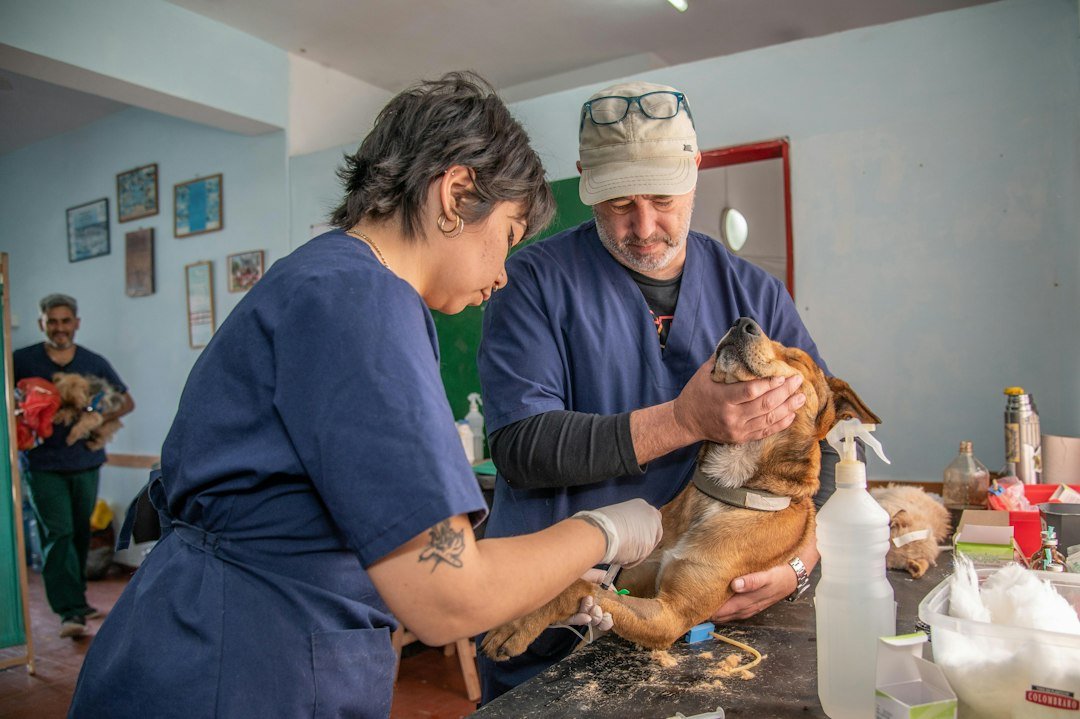
For dog owners, the most useful way to understand midazolam is to think of it as an emergency tool rather than an everyday epilepsy medicine. A dog that receives phenobarbital, levetiracetam, potassium bromide or zonisamide may still have a separate rescue plan for prolonged or clustered seizures. Midazolam can be part of that plan because it reaches the brain quickly and enhances inhibitory GABA signaling. The same fast action that makes it useful in emergencies also means that owners need precise instructions about the route, storage, timing and threshold for seeking emergency care.
What midazolam is
Midazolam belongs to the benzodiazepine family, alongside diazepam, clonazepam and related drugs. Benzodiazepines enhance the effect of gamma-aminobutyric acid, or GABA, at GABA-A receptors. GABA is one of the brain’s major inhibitory neurotransmitters. By increasing inhibitory signaling, midazolam can rapidly reduce the abnormal electrical activity associated with a seizure.
Its pharmacologic profile makes it especially useful when speed matters. Veterinary emergency references describe midazolam as an important option for status epilepticus and cluster seizures, particularly when intranasal or parenteral administration is practical.
Why route of administration matters so much
A dog in an active seizure cannot safely swallow a tablet. That is why emergency anticonvulsants need routes that work without requiring normal swallowing. Intravenous access is ideal in hospital because it allows rapid, predictable delivery, but IV access is often not available at home or during the first minutes of an emergency.
Intranasal midazolam is useful because the nasal mucosa can absorb the drug rapidly. Veterinary emergency guidance also describes intramuscular use in some situations. The exact route should come from the prescribing veterinarian rather than from generic instructions online.
Midazolam rescue dose: intranasal and IV routes are different
Merck’s current emergency guidance lists midazolam at 0.2 mg/kg intranasally for emergency seizure control in dogs, while IV dosing is typically 0.1–0.25 mg/kg. Continuous IV infusion is a hospital-only option for prolonged or repeated seizures.
| Emergency route | Current Merck guidance | Where it belongs |
|---|---|---|
| Intranasal | 0.2 mg/kg | Can be part of a veterinarian-written home rescue plan |
| IV bolus | 0.1–0.25 mg/kg | Veterinary emergency setting |
| IV continuous infusion | 0.25–0.4 mg/kg/hour | Hospital monitoring for persistent seizures |
Source: Merck Veterinary Manual emergency-seizure guidance. A rescue dose should come from the veterinarian’s written seizure plan, not from an owner converting a generic internet number during an emergency.
Intranasal midazolam for dogs
Intranasal administration has become an important rescue option for canine seizures. The medicine is delivered into the nose using a device or method prescribed by the veterinary team. It can be easier for an owner to administer than rectal medication, especially with a large dog or during a generalized convulsion.
The critical point is preparation. Owners should know which nostril or delivery technique to use, how the medication should be stored, whether the product needs to be drawn into a syringe at the time of use, and what to do if the first rescue attempt does not stop the seizure.
Midazolam versus diazepam
Both are benzodiazepines and both can be used for seizure emergencies. Diazepam has a long history of IV and rectal use. Midazolam is water-soluble, which makes it particularly practical for intranasal or intramuscular administration.
For many dogs with cluster seizures, an intranasal midazolam plan may be easier for a caregiver than a rectal diazepam plan. That does not mean one drug is universally better. The best rescue strategy depends on what the dog has responded to previously, what product is available and what the veterinarian expects the caregiver to manage safely.
See Diazepam for Dogs for the separate rescue-medication guide.
Status epilepticus is a true emergency
A prolonged seizure can become life-threatening because the body cannot sustain continuous intense muscle activity and abnormal brain activity indefinitely. Temperature can rise, oxygen delivery can fall, metabolic abnormalities can develop and brain injury can occur.
Owners should follow the emergency threshold provided by the veterinarian. If a seizure is lasting longer than expected or the dog is not recovering normally, use prescribed rescue medication if directed and seek emergency veterinary care.
Cluster seizures
Cluster seizures are repeated seizures occurring over a relatively short period, often within the same 24-hour window. A dog may appear normal or partly recovered between events and then seize again.
Dogs with a known cluster pattern are often the patients most likely to benefit from a written home rescue plan. The purpose is to interrupt the cluster early and reduce the chance that the dog progresses to status epilepticus.
Why a written rescue plan matters
During a seizure, owners are stressed and may lose track of time. A written plan removes guesswork. It should state what counts as a rescue event, when midazolam should be used, whether it may be repeated, how long to wait before repeating it and when to leave immediately for an emergency hospital.
The plan should also list the dog’s maintenance seizure medicines so emergency staff know what has already been given.
Midazolam is not a maintenance anticonvulsant
Midazolam is not typically used as the main daily drug for chronic epilepsy control. Maintenance medications need to provide stable protection across the day and over long periods. Phenobarbital, potassium bromide, levetiracetam and zonisamide are examples of drugs used for that purpose.
Midazolam instead fills the emergency gap: rapid action when a seizure is already happening or when a cluster is starting.
Midazolam and levetiracetam
A dog may receive levetiracetam every day and still have midazolam as a rescue medication. The two drugs have different mechanisms and roles. Levetiracetam supports ongoing seizure prevention, while midazolam is used for rapid control.
See Levetiracetam for Dogs for formulation and maintenance-treatment considerations.
Midazolam and phenobarbital
Phenobarbital is a long-term anticonvulsant and can also be used in hospital loading protocols. Midazolam can be used first to stop the immediate seizure while the veterinary team stabilizes the patient and decides whether additional maintenance anticonvulsant therapy is needed.
See Phenobarbital for Dogs for the long-term monitoring issues unique to that drug.
Common effects after midazolam
Sedation is expected. A dog may appear sleepy, weak or somewhat uncoordinated after the seizure stops. That can be caused by the medication, the post-seizure period or both.
Most importantly, recovery should move in the right direction. A dog that becomes progressively less responsive, has abnormal breathing, collapses or cannot maintain a safe airway needs urgent veterinary care.
Paradoxical excitement
Benzodiazepines can occasionally produce the opposite of the expected calming effect. A dog may become agitated, vocal, restless or disinhibited.
This can be especially important in dogs with a history of aggression. If paradoxical excitement has happened before, make sure every veterinarian involved in the dog’s care knows about it.
Breathing and airway safety
Midazolam depresses the central nervous system. In emergency seizure care, veterinarians monitor breathing, oxygenation and airway protection because heavy sedation and ongoing seizure activity can both compromise respiration.
At home, abnormal breathing, blue or very pale gums, profound unresponsiveness or collapse are emergency signs.
Other sedating medications can add to the effect
Dogs with chronic pain, anxiety or epilepsy may already receive drugs such as gabapentin, trazodone, phenobarbital, methocarbamol or opioids. These can add to sedation.
Do not add extra sedatives during a seizure episode unless the rescue plan specifically includes them. The total central-nervous-system effect matters more than any one drug viewed in isolation.
Storage and preparation
Keep midazolam in the original labeled container and follow the pharmacy’s storage instructions. If the veterinarian has supplied a prefilled device, make sure every caregiver knows where it is stored and how to use it.
Check the expiration date regularly. Rescue medication that has expired, leaked or been stored incorrectly should be replaced before the next emergency rather than discovered during one.
Travel planning
When traveling with a dog that has cluster seizures, pack rescue medication in hand luggage or another immediately accessible place, subject to transport rules. Carry the written emergency plan and enough maintenance medication for delays.
Before leaving home, identify an emergency veterinary hospital near the destination. In a seizure crisis, searching for a clinic wastes valuable time.
What owners should do during an active seizure
Move furniture or sharp objects away if it is safe. Reduce noise and bright light. Time the seizure. Do not put fingers near the dog’s mouth and do not try to hold the tongue. Dogs do not swallow their tongues, and involuntary jaw movement can cause serious bites.
If the rescue plan calls for intranasal midazolam, administer it exactly as taught. If the seizure continues or another seizure follows, use the plan’s escalation threshold.
Video can be useful, but safety comes first
If another person is present and the environment is safe, a short video can help the veterinarian distinguish a generalized seizure from syncope, tremor or another movement disorder.
Do not delay rescue medication, move the dog into danger or ignore breathing in order to record the event.
What if the dog sneezes after intranasal administration?
Because intranasal medication contacts the nasal passages, sneezing or head movement can occur. Do not automatically repeat the entire amount unless the veterinary rescue plan tells you to do so. It may be impossible to know how much was absorbed before the dog sneezed.
Contact the clinic or follow the written instructions if you are unsure.
What if an extra rescue dose is given?
Call the veterinarian or emergency hospital with the concentration, route, amount, dog’s weight, time and all other sedating medications. Extra benzodiazepine exposure can increase sedation, ataxia and respiratory depression.
See Dog Got a Double Dose of Medication for the information to collect before calling.
Why rescue medication use should be documented
Every rescue episode should go into the seizure diary. Record when the seizure began, when midazolam was given, the route, whether the seizure stopped, whether another seizure occurred and how long recovery took.
This helps the veterinarian judge whether the home rescue plan is working or needs to be changed.
When repeated rescue use means the maintenance plan needs review
If a dog needs midazolam frequently, seizure control may no longer be adequate. The answer is not simply to keep using more rescue medication. The maintenance regimen may need adjustment, blood levels may need checking or the underlying disease may have changed.
Frequent clusters deserve a structured review with the primary veterinarian or veterinary neurologist.
First-time seizures are different
A dog with no seizure history that has a first prolonged seizure needs emergency evaluation. Do not use another pet’s midazolam or assume the dog has epilepsy. Toxins, low blood sugar, liver disease, structural brain disease and other conditions can cause seizures.
The rescue medication may stop the visible event without treating the cause.
Why body temperature matters after a long seizure
Continuous muscle activity generates heat. A dog may become dangerously hot during status epilepticus. Emergency teams monitor temperature and may cool the patient in a controlled way.
Owners should not use ice baths or extreme cooling unless directed, because overly aggressive cooling can create additional problems.
Why post-seizure disorientation can look dramatic
Dogs may be temporarily blind, restless, hungry, confused or sleepy after a generalized seizure. Midazolam can add sedation to this post-ictal state.
Improvement should be gradual. If the dog becomes less responsive, cannot breathe normally or does not recover within the expected window provided by the veterinarian, seek urgent care.
Household training matters
Every caregiver should know how to recognize the dog’s typical seizure, where the rescue medication is kept and when to call for help. Practice the sequence when the dog is well so it is familiar during an emergency.
Pet sitters and boarding facilities should receive written instructions, not only verbal explanations.
A practical scenario: intranasal rescue treatment at home
A dog with diagnosed idiopathic epilepsy has a known history of clusters. The neurologist has prescribed intranasal midazolam. The dog has one generalized seizure, recovers, then begins another seizure within the cluster window. The owner gives the prescribed intranasal rescue treatment, records the time and follows the plan to seek emergency care if another seizure occurs.
That is the intended role: rapid interruption of a dangerous seizure pattern within a broader medical plan.
A different scenario: sudden collapse that may not be a seizure
An older dog suddenly collapses for several seconds and immediately recovers. The owner assumes it is a seizure and considers using midazolam. Syncope from heart disease can look superficially similar to a seizure and requires a different evaluation.
If the event is unfamiliar, video and veterinary assessment are more useful than automatically applying an old rescue protocol.
When to call the veterinarian
Call after rescue medication if instructed, and contact the clinic for repeated seizures, excessive sedation, unusual agitation, poor recovery, uncertainty about whether the intranasal dose was delivered correctly or any change in the dog’s usual seizure pattern.
When emergency care is appropriate
Seek emergency care for a prolonged seizure, repeated cluster seizures, failure to recover normally, severe overheating, collapse, abnormal breathing or a suspected large accidental exposure.
What owners should track
- seizure start and stop time;
- number of seizures in the cluster;
- time and route of midazolam administration;
- whether the seizure stopped;
- breathing and responsiveness afterward;
- maintenance anticonvulsants;
- all other sedating medications;
- when emergency care was sought.
Questions worth asking the veterinarian
- Which seizure pattern should trigger midazolam?
- Which route should I use at home?
- Can the rescue dose be repeated, and when?
- What is the exact threshold for emergency hospitalization?
- How should the medication be stored?
- What if my dog sneezes immediately after an intranasal dose?
- How often can rescue medication be used before the maintenance plan needs review?
How this page fits DogMedsHub
This is DogMedsHub’s main medication guide for midazolam. The Diazepam page covers another benzodiazepine rescue strategy, while Phenobarbital, Zonisamide, Levetiracetam and Potassium Bromide focus on maintenance seizure control. Keeping these intents separate avoids duplicating the same seizure article under different drug names.
Sources and review notes
The Merck Veterinary Manual emergency anticonvulsant guidance discusses benzodiazepines for rapid seizure control and supports intranasal and parenteral routes when IV access is unavailable. Merck’s emergency-care guidance also describes midazolam as an option in canine seizure resuscitation.
Last reviewed: October 2026. Educational information only. This page does not replace a written seizure rescue plan and does not provide an individualized midazolam dose.