
Ondansetron is a prescription anti-nausea and anti-vomiting medicine that veterinarians use in dogs when serotonin-driven vomiting pathways are likely to be important. It is especially relevant in dogs with severe nausea, chemotherapy-related sickness, pancreatitis, kidney disease, gastrointestinal inflammation or persistent vomiting that is not adequately controlled by another antiemetic. It does not treat the underlying cause of vomiting, and it is not a substitute for investigating obstruction, toxin exposure, pancreatitis, organ disease or other serious problems.
Dog Medication Math Calculator
Enter your dog’s current body weight, then use only the dose already provided by your veterinarian or pharmacy label. The calculator converts lb/kg and can work out mg and liquid mL. It does not choose or recommend a dose.
Dose information from your veterinarian
Optional liquid conversion
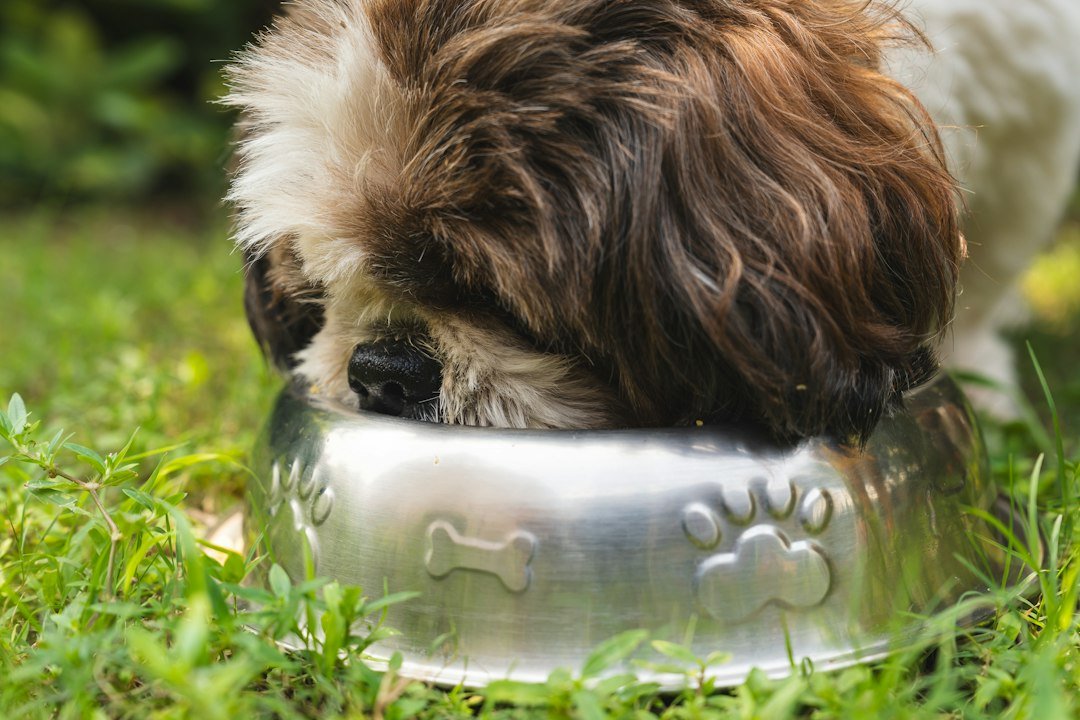
Owners often notice vomiting because it is visible, but nausea can be present even when a dog never brings anything up. Lip licking, drooling, repeated swallowing, turning away from food, approaching the bowl and then leaving, restlessness, a hunched posture or sudden food aversion can all be clues. Ondansetron may help with that nausea in selected patients because it blocks serotonin 5-HT3 receptors involved in signaling from the gastrointestinal tract to the brain.
What ondansetron does in dogs
Ondansetron is a 5-HT3 serotonin receptor antagonist. Those receptors are present in the gastrointestinal tract and in central vomiting pathways. When intestinal cells release serotonin—something that can happen with chemotherapy, intestinal inflammation and other forms of GI injury—the signal can activate vagal nerves and the brain’s vomiting circuitry. Blocking 5-HT3 receptors can reduce that signal.
This mechanism is different from maropitant, which blocks neurokinin-1 receptors, and from metoclopramide, which has dopamine-blocking and prokinetic effects. That difference is clinically useful. A dog whose nausea continues despite one antiemetic may sometimes benefit from a second drug that works through another pathway. More medication is not automatically better, though. If several antiemetics are needed, the veterinarian also needs to keep asking why the dog is so nauseated in the first place.
Ondansetron is widely used in veterinary medicine, but in many canine situations its use is extra-label. Extra-label prescribing is common and legal in veterinary practice when done by a veterinarian within an appropriate clinical relationship. It does not mean the medicine is experimental; it means the exact species, indication, route or regimen may not appear on a veterinary product label.
When a veterinarian may choose ondansetron
Severe gastrointestinal nausea. Dogs with gastroenteritis, pancreatitis or other inflammatory GI disease can remain nauseated even when vomiting has slowed. That matters because a dog that feels sick will not eat, may become dehydrated and can develop strong aversions to foods repeatedly offered during illness. Ondansetron may be used to improve comfort and support a return to feeding while the underlying condition is treated.
Pancreatitis. Nausea control is an important part of supportive care. Merck Veterinary Manual guidance discusses 5-HT3 antagonists such as ondansetron as antiemetic options and notes that some dogs may need a combination of antiemetic mechanisms. Pain control, hydration, nutritional support and treatment of complications remain essential; an antiemetic alone does not “treat pancreatitis.”
Chemotherapy-related nausea and vomiting. Cytotoxic drugs can trigger serotonin release from the GI tract, making 5-HT3 blockade particularly relevant. Some oncology patients receive antiemetics before treatment; others need support later, including for delayed nausea. Owners should follow the oncology team’s plan rather than waiting for repeated vomiting before calling, because preventing a strong food aversion can be easier than reversing one.
Kidney disease and uremia. Dogs with kidney disease may experience nausea from several mechanisms, including circulating toxins and gastritis. Ondansetron can be part of symptom control, but hydration, acid-base balance, electrolytes, appetite and the underlying kidney problem still need attention.
Hospitalized or critically ill dogs. Severe systemic illness can produce overlapping nausea pathways. In these cases, ondansetron may be one component of a broader plan that includes fluids, pain relief, nutrition, acid control and investigation of the primary disease.
Nausea is not the same as vomiting
A dog can stop vomiting and still feel profoundly nauseated. That is why “he hasn’t thrown up again” is not always a sign that the problem is solved. Look at food interest, swallowing behavior, lip licking, drooling, posture, comfort and willingness to interact. A dog that repeatedly walks to the bowl, sniffs and turns away may still need nausea control even if the floor is clean.
The reverse also matters: a dog may vomit for mechanical reasons that antiemetics cannot correct. A foreign body, gastric dilatation-volvulus, intestinal obstruction or severe structural disease can continue while medication temporarily suppresses vomiting. Reduced vomiting should never be used to rule out obstruction when the dog has abdominal pain, distension, repeated unproductive retching, severe lethargy or other red flags.
Ondansetron compared with maropitant
Owners frequently ask which one is “stronger.” That is not the most useful comparison. Maropitant blocks NK1 receptors and has broad antiemetic activity. Ondansetron blocks 5-HT3 receptors and can be particularly useful when serotonin-driven pathways are prominent. In some dogs one medication is enough; in others the veterinarian may combine them because they work differently.
The clinical question is not which drug wins a contest. It is which mechanism best matches the dog’s disease and whether the response is adequate. A dog with pancreatitis, for example, may still need analgesia, fluids and nutrition even when vomiting is controlled. A dog with suspected obstruction needs imaging and possibly surgery rather than another antiemetic.
Ondansetron compared with metoclopramide
Metoclopramide has a different role because it can stimulate motility in parts of the upper gastrointestinal tract as well as provide antiemetic effects. That can be useful when delayed gastric emptying is part of the problem, but it can be inappropriate when obstruction or perforation is suspected. Ondansetron does not depend on increasing gastric motility, which is one reason the two drugs are not interchangeable.
For a fuller comparison, see Vomiting Medicines for Dogs. That guide compares antiemetic categories, while this page stays focused on ondansetron itself.
Ondansetron dosage by weight: professional reference range
Merck’s current canine antiemetic reference lists ondansetron at 0.3–1 mg/kg by mouth or slow IV every 8–12 hours. In canine parvoviral enteritis, Merck cites 0.5 mg/kg IV every 8 hours as one hospital antiemetic regimen. These are professional-reference ranges, not instructions to start treatment at home.
| Reference context | Published canine range | Why context matters |
|---|---|---|
| General antiemetic reference | 0.3–1 mg/kg PO or slow IV every 8–12 hours | Route, diagnosis and clinical status determine the actual plan. |
| Parvoviral enteritis hospital reference | 0.5 mg/kg IV every 8 hours as needed | This is inpatient supportive-care context, not a home dosing chart. |
See the Merck Veterinary Manual antiemetic reference and its canine parvovirus treatment guidance.
How ondansetron may be given
Veterinarians may use oral or injectable forms depending on the dog’s condition. A dog that cannot keep water down may not be a good candidate for relying on oral medication at home. Hospitalized patients can receive injectable treatment while fluids and diagnostics are underway. Once the dog is stable and eating, the plan may change.
If a veterinarian has already supplied a confirmed mg/kg instruction, the Dog Medication Dosage Calculator can check arithmetic. It cannot determine whether ondansetron is appropriate or whether the dog needs urgent care.
What to tell the veterinarian before starting ondansetron
Give a complete medication list, including supplements. This is especially important if the dog takes medications that affect serotonin, heart rhythm or liver metabolism. Tell the veterinarian about known arrhythmias, fainting episodes, significant liver disease, seizures, pregnancy, previous drug reactions and any recent toxin exposure.
Behavior medications deserve special mention. Fluoxetine, clomipramine, trazodone and other serotonergic medicines can complicate the picture when several drugs affecting serotonin pathways are used together. Serious serotonin toxicity is uncommon, but the risk-benefit decision belongs with the prescribing veterinarian. Do not stop a long-term behavior medication abruptly without advice simply because ondansetron has been prescribed.
Heart disease and rhythm history also matter. Ondansetron has the potential to affect cardiac electrical activity, particularly in susceptible patients or when combined with other drugs that influence the QT interval. For most dogs this is not the central concern, but a dog with known arrhythmia, electrolyte abnormalities or multiple rhythm-active drugs deserves individualized review.
Side effects owners should watch for
Ondansetron is often well tolerated. Constipation, changes in stool, reduced bowel movements or mild sedation can occur in some patients. In a dog already dehydrated or eating very little, constipation may be more noticeable. Tell the clinic if the dog strains repeatedly, appears painful, develops a distended abdomen or has not passed stool as expected.
Unusual weakness, collapse, severe agitation, marked lethargy or a new irregular heartbeat sensation are not “routine side effects” to watch for at home indefinitely. Contact a veterinarian promptly. Likewise, continued vomiting despite medication means the treatment plan needs reassessment, not endless redosing.
If your dog vomits after an ondansetron dose
Do not automatically repeat the full dose. You usually cannot know how much was absorbed before the dog vomited. The clinic may advise waiting, repeating part of a dose or changing to an injectable antiemetic depending on timing and severity. Call with the exact time the medicine was given, when vomiting occurred and whether the tablet was visible.
If the dog cannot keep water down, is vomiting repeatedly, has blood in vomit, appears painful or is becoming weak, the more important issue may be dehydration or serious underlying disease rather than replacing the medication.
Missed doses, double doses and accidental ingestion
If a scheduled dose is missed, do not automatically give two doses together. Follow the clinic’s instructions or call if the timing is unclear. Our Missed Dog Medication Dose guide explains the general safety principle.
If an extra dose is given, or a dog chews into the container, contact the veterinarian or an animal poison service with the tablet strength, number of tablets, dog’s weight and approximate time. See Dog Got a Double Dose of Medication. Keep the original pharmacy label because it is much more useful than trying to identify loose tablets from memory.
When ondansetron is helping — and when it is not enough
Useful improvement is broader than “no vomit.” A dog that is recovering should gradually become more comfortable, show interest in food or water, maintain hydration and show improvement in the underlying illness. If vomiting stops but the dog remains profoundly painful, weak, bloated, unable to eat or mentally dull, the antiemetic may be masking one symptom while the disease continues.
Ask the veterinarian what outcome they expect over the next several hours or days. A pancreatitis patient may need better appetite and pain control. A chemotherapy patient may need to maintain food intake and hydration through a predictable nausea window. A kidney patient may need improvement in nausea alongside correction of dehydration or electrolyte abnormalities.
Red flags that should not be managed with antiemetics alone
Seek urgent veterinary care for abdominal distension, repeated unproductive retching, severe abdominal pain, collapse, black or bloody stool, large amounts of blood in vomit, suspected toxin exposure, severe weakness, difficulty breathing or signs of shock. A dog that has swallowed a toy, bone, fabric, corn cob or other foreign material may still have an obstruction even if ondansetron reduces vomiting temporarily.
Persistent inability to keep water down, repeated vomiting in a very young puppy, vomiting in a dog with diabetes, Addison’s disease or significant kidney disease, or vomiting accompanied by neurological signs also deserves prompt assessment.
A practical scenario: when symptom control can hide the real problem
Consider a dog that starts vomiting after chewing a sock. The owner gives a previously prescribed antiemetic and the vomiting stops for several hours. The dog still refuses food, lies with the abdomen tense and becomes quieter. The medication may have reduced the vomiting signal, but it has not moved the sock through the intestine. Waiting because “the medicine worked” could delay imaging and surgery.
Now consider a second dog with pancreatitis confirmed by examination, bloodwork and imaging. The veterinarian has already ruled out a surgical obstruction, is treating pain and dehydration, and the dog remains nauseated despite maropitant. Adding ondansetron can make sense because the problem and treatment goals are different. Same symptom, very different context.
Helping a nauseated dog eat again
Do not repeatedly present the dog’s favorite lifelong food while it feels intensely nauseated unless the veterinary team has advised it. Dogs can form food aversions after associating a smell or taste with sickness, especially during chemotherapy or prolonged hospitalization. Once nausea is controlled, a small portion of an appropriate diet may be easier to tolerate than a large meal.
Ask whether the dog needs a prescription recovery diet, low-fat food, renal diet or another disease-specific plan. “Anything she will eat” can be reasonable in some situations and inappropriate in others. Nutritional strategy should match the disease, especially with pancreatitis, kidney disease, diabetes or after GI surgery.
What to track at home
- time each dose is given;
- vomiting episodes and what they contain;
- signs of nausea such as lip licking, drooling or turning away from food;
- water intake and whether it stays down;
- appetite and amount eaten;
- urination and stool output;
- abdominal pain or distension;
- energy level and alertness;
- other medicines given the same day.
A short written log is more useful than trying to reconstruct the day from memory during a phone call. It can also show whether the dog is genuinely improving or whether vomiting has stopped while everything else remains abnormal.
Questions worth asking the veterinarian
- What do you think is causing my dog’s nausea?
- Is ondansetron being used mainly for nausea, vomiting, chemotherapy support or another reason?
- Should it be combined with maropitant or another antiemetic in this case?
- Are there any concerns with my dog’s behavior medications, heart history or liver disease?
- What signs would mean obstruction or another emergency still needs to be ruled out?
- When should appetite or comfort start to improve?
- If my dog vomits after a dose, should I call before giving more?
How this page fits DogMedsHub
This is DogMedsHub’s main medication guide for ondansetron. The broader Vomiting Medicines for Dogs page compares different antiemetic classes, while Vomiting in Dogs focuses on causes, red flags and diagnosis. Keeping those purposes separate prevents this medication page from duplicating general vomiting content.
Sources and review notes
The Merck Veterinary Manual review of antiemetic drugs describes ondansetron as a 5-HT3 receptor antagonist used in dogs and cats, including chemotherapy-related emesis. Merck’s pancreatitis guidance also discusses ondansetron as an antiemetic option in dogs with pancreatitis and notes that combination antiemetic therapy may be useful in some patients.
Last reviewed: October 2026. DogMedsHub provides source-backed canine medication guidance. This page does not diagnose the cause of vomiting or provide an individualized ondansetron dose. Persistent or severe vomiting requires veterinary assessment.