
Ivermectin is a macrocyclic-lactone antiparasitic used in dogs most famously as an active ingredient in some heartworm preventives. It is also used at very different doses for selected parasitic diseases under veterinary supervision. That difference in dose and purpose is the key safety issue: a labeled monthly heartworm-prevention exposure is not the same as the much higher ivermectin exposure sometimes used for mange or other off-label conditions.
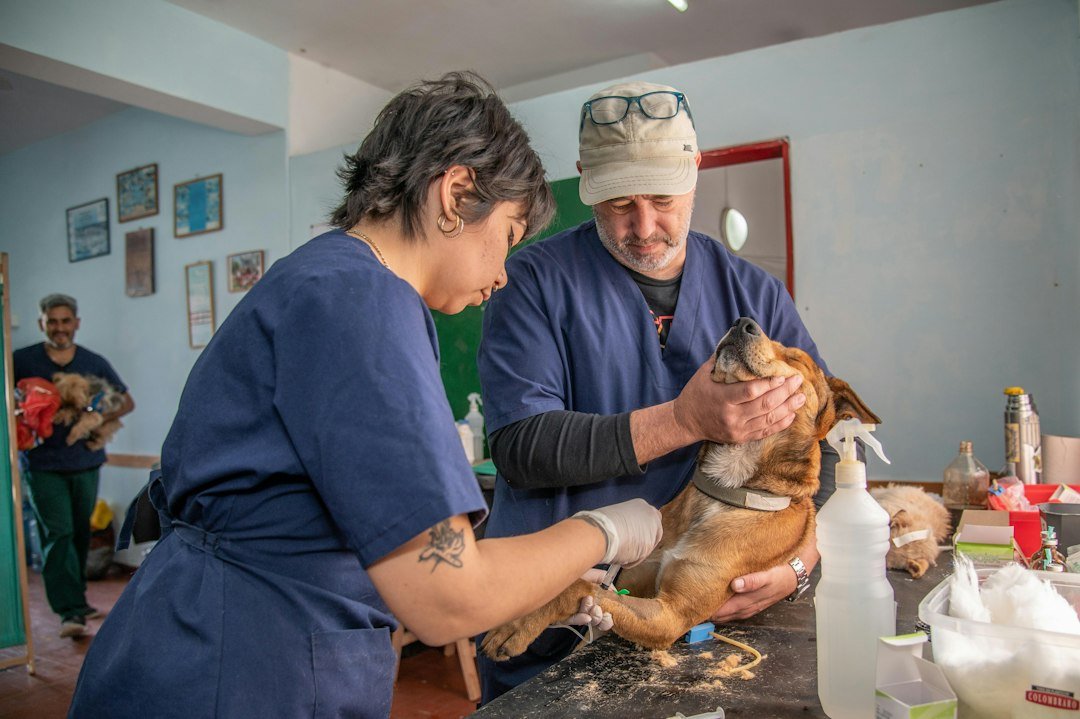
This guide explains what ivermectin is used for, why heartworm prevention is different from high-dose parasite treatment, how ABCB1/MDR1 sensitivity changes risk, why livestock products are a dangerous shortcut, what toxicity can look like, and how owners should respond to missed, vomited or accidental extra doses.
What ivermectin is
Ivermectin belongs to the macrocyclic-lactone family of antiparasitic medicines. It binds to parasite glutamate-gated chloride channels and disrupts nerve and muscle function. Mammals do not have those parasite channels in the same way, which creates a useful safety margin at appropriate veterinary exposures.
The Merck Veterinary Manual heartworm review lists ivermectin among the macrocyclic lactones used to prevent heartworm disease by targeting susceptible larval stages.
Why ivermectin is used in heartworm prevention
Heartworm preventives containing ivermectin are designed to eliminate immature Dirofilaria immitis larvae acquired during a recent exposure period. They are preventive medicines, not adult heartworm treatment.
When given on schedule, these products interrupt development before larvae mature into adult worms in the pulmonary arteries. This is why monthly prevention is such an important part of canine heartworm control.
Heartworm prevention does not kill established adult worms
A dog that already has adult heartworms needs a treatment plan. The American Heartworm Society’s current canine guidelines include confirmatory testing, appropriate staging, doxycycline, exercise restriction and adulticide treatment with melarsomine for most infected dogs.
Continuing macrocyclic-lactone prevention is part of management, but routine preventive alone is not equivalent to standard adulticide therapy.
Why the dose context matters so much
Ivermectin appears in veterinary medicine at very different exposure levels. The tiny amount used in approved heartworm prevention is substantially lower than doses historically used for some mite infestations or other off-label indications.
This distinction explains why a dog with an ABCB1/MDR1 mutation may safely receive an approved ivermectin heartworm preventive yet be at risk of neurologic toxicity from a much higher ivermectin regimen.
ABCB1/MDR1 sensitivity
The ABCB1 gene, historically called MDR1, encodes P-glycoprotein. This transporter helps move certain drugs out of the brain. Dogs with reduced or absent P-glycoprotein function can allow much more ivermectin into the central nervous system.
The Washington State University MDR1 resource notes that the FDA has determined labeled Heartgard ivermectin preventive dosing to be safe in dogs with the MDR1 mutation, while other ivermectin formulations or higher-dose uses require different consideration.
Which dogs are more likely to carry ABCB1 variants?
Collies, Australian Shepherds, Shetland Sheepdogs, Old English Sheepdogs and several related herding breeds have a higher prevalence of the mutation. Mixed-breed dogs with herding ancestry may also carry it.
Appearance cannot prove a dog’s genotype. A genetic test provides clearer information than guessing from breed type alone.
What ivermectin toxicity can look like
Neurologic signs can include dilated pupils, wobbliness, weakness, tremors, drooling, disorientation, apparent blindness, extreme sedation, collapse, coma and respiratory failure in severe cases.
The Merck review of antiparasitic drugs describes increased ivermectin central-nervous-system toxicity in susceptible dogs with MDR1/ABCB1 abnormalities.
Heartworm-prevention ivermectin is not the same as livestock ivermectin
Livestock ivermectin can be supplied as concentrated injectable, drench or pour-on formulations. Those products are not substitutes for a canine heartworm preventive. Concentration differences can be enormous from an owner’s perspective, and a small measuring error can produce a very large canine dose.
Do not use cattle, horse or swine ivermectin in a dog based on an internet calculator.
Why “the active ingredient is the same” is not enough
Two products can contain ivermectin and still differ in concentration, route, inactive ingredients and intended species. A veterinary chew has a manufacturer-tested canine formulation and dosing system. A livestock product is designed for a completely different body size and use pattern.
Product identity matters just as much as drug identity.
Heartworm testing still matters on ivermectin prevention
Preventives are highly effective, but real-world failures can happen through missed doses, vomiting, delayed refills, administration errors or resistant parasite populations in certain regions.
The American Heartworm Society recommends ongoing testing even in dogs receiving prevention.
What if a monthly ivermectin preventive is late?
Do not double the dose automatically. Contact the veterinary clinic or follow the specific product label. The safest response depends on how late the dose is and the dog’s previous prevention history.
The veterinarian may recommend restarting promptly and scheduling follow-up testing at an appropriate interval.
What if the dog spits out or vomits the chew?
If the dose is found intact on the floor, the situation is straightforward. If the dog vomits after administration, however, it may be difficult to know how much was absorbed.
Check whether the chew is visible and call the clinic for product-specific advice before repeating a full dose.
What if two dogs eat each other’s preventives?
Keep the packages and identify which dog received which product and strength. In weight-banded preventives, one dog may receive a substantially different intended amount from another.
Call the veterinary clinic or poison service rather than estimating risk from tablet size alone.
Combination heartworm products
Ivermectin may be combined with pyrantel or other parasite drugs so one monthly product covers heartworm larvae plus selected intestinal worms. The ivermectin component and pyrantel component are doing different jobs.
Read the active-ingredient panel to understand which parasites are covered. One ivermectin combination may not have the same spectrum as another.
Ivermectin and pyrantel
Some familiar heartworm preventives combine ivermectin with pyrantel. Ivermectin provides heartworm prevention, while pyrantel targets susceptible roundworms and hookworms.
This does not mean the product treats every intestinal parasite. Tapeworm and whipworm coverage depends on the formulation.
Ivermectin for mites
Historically, veterinarians have used higher-dose ivermectin regimens for demodectic or sarcoptic mange. Modern veterinary practice has additional parasite-treatment options, including isoxazolines, that may be preferred depending on the condition and dog.
High-dose ivermectin is exactly where ABCB1 risk becomes more important. Do not extrapolate from a heartworm-prevention label to a mange regimen.
Why gradual dose escalation has appeared in old protocols
Some historical high-dose ivermectin protocols used gradual dose increases to identify unexpected sensitivity before reaching a target exposure. That practice belongs to veterinary supervision and should not be reproduced at home.
Modern product choices and genetic testing can often provide safer ways to plan treatment.
Ivermectin and demodicosis
Demodex mites live in hair follicles and sebaceous glands. Localized disease can behave differently from generalized demodicosis. Treatment decisions depend on age, immune status, secondary infection and extent of disease.
A positive skin scraping or other diagnostic test should guide treatment rather than treating every itchy dog for mites.
Ivermectin and sarcoptic mange
Sarcoptic mange causes intense itching and is highly contagious between dogs. Several treatments are available. Ivermectin has been used extra-label, but product choice should consider household exposure, breed sensitivity and the availability of labeled alternatives.
Ear mites
Some macrocyclic-lactone products can treat ear mites, but ivermectin use depends on formulation and indication. A dog with dark ear debris may instead have bacterial or yeast otitis, foreign material or allergy.
Ear disease should be examined before owners choose a parasite medicine on appearance alone.
Why neurologic signs after parasite medicine deserve urgency
Wobbliness, abnormal pupils, tremors, severe weakness or altered consciousness after ivermectin exposure are not routine side effects to watch overnight. Contact a veterinarian or poison service promptly.
Bring the exact product and concentration if possible.
How ivermectin toxicity is treated
There is no simple home antidote. Veterinary treatment is supportive and may include decontamination when appropriate, intravenous fluids, temperature and respiratory support, management of neurologic signs, and intensive nursing care.
Recovery can take time because ivermectin is lipid soluble and may persist in tissues.
Do not induce vomiting without instructions
After an overdose, whether vomiting should be induced depends on timing, product, dose and neurologic status. A dog that is already sedated or uncoordinated may aspirate if vomiting is induced.
Call first.
Ivermectin and very young puppies
Heartworm-prevention products have minimum age and weight requirements. Use the specific label rather than assuming a product is suitable for every puppy.
Puppies also need a broader parasite plan because roundworms and hookworms are common early in life.
Pregnant and nursing dogs
Reproductive safety depends on the specific product and label. Some heartworm preventives have approved use in breeding animals, while other ivermectin uses may not.
Tell the veterinarian when a dog is pregnant, nursing or intended for breeding.
Dogs with liver or neurologic disease
Significant systemic or neurologic disease can change how adverse effects are interpreted and how much safety margin is acceptable. The veterinarian should know the dog’s complete medical history before high-dose off-label treatment is considered.
Drug interactions
Some medications can influence P-glycoprotein transport or central-nervous-system exposure. Interaction concerns become more important at higher ivermectin doses.
Provide the veterinarian with a complete list of prescription medicines, preventives, supplements and recent treatments.
Why a “natural dewormer” is not equivalent
Heartworm prevention depends on proven activity against specific parasite stages. Herbs, foods and home remedies do not replace a labeled macrocyclic-lactone preventive.
A dog can appear healthy for months while immature heartworms develop.
Travel and missed prevention
If a dog travels into a heartworm-endemic region after missed prevention, tell the veterinarian. Testing schedules depend on the biology of the parasite; an immediate negative test does not necessarily exclude very recent infection.
What if a dog tests heartworm-positive while taking ivermectin prevention?
Confirmatory testing and a treatment plan are needed. Do not simply increase ivermectin. The veterinarian will consider prevention history, testing, clinical status and current American Heartworm Society guidance.
Why exercise restriction matters after heartworm diagnosis
Adult heartworms damage pulmonary arteries. As treatment kills worms, fragments can lodge in the pulmonary circulation. Exercise increases cardiopulmonary demand and can worsen complication risk.
Restriction is therefore an essential treatment step, not optional advice.
What owners should keep on record
- product name and active ingredients;
- strength or weight band;
- date each dose was given;
- any vomiting or missed dose;
- heartworm test dates and results;
- travel history;
- ABCB1/MDR1 test result when relevant;
- other parasite products used at the same time.
Questions to ask before using ivermectin
- Is this heartworm prevention or treatment of another parasite?
- Is this a labeled canine product?
- Does my dog’s ABCB1/MDR1 status matter at this dose?
- Does the product overlap with another preventive?
- What should I do if the dose is late or vomited?
- When is the next heartworm test due?
- What neurologic signs require urgent care?
Ivermectin within the DogMedsHub parasite cluster
Related guides include Parasite & Heartworm Medicines, Pyrantel for Dogs, Milbemycin for Dogs, Moxidectin for Dogs and ABCB1/MDR1 Drug Sensitivity in Dogs.
When to seek urgent veterinary help
Seek prompt care for severe weakness, wobbliness, tremors, dilated pupils with abnormal behavior, apparent blindness, collapse, difficulty breathing, coma, or suspected exposure to concentrated livestock ivermectin.
Why testing after missed prevention takes time
Heartworm tests detect evidence of mature infection, not the earliest larval stages immediately after a missed preventive dose. That means a dog can test negative soon after an exposure window and still need later follow-up testing. The veterinarian chooses timing based on the biology of heartworm development, how long prevention was interrupted and whether the dog travelled through a high-risk area.
This is one reason simply giving an extra preventive dose and assuming the problem is solved is not enough. Prevention history and test timing belong together.
What “resistance” means in heartworm prevention
Macrocyclic-lactone resistance has been documented in some heartworm populations, particularly in parts of the United States. That does not mean ivermectin prevention is broadly ineffective or that owners should abandon proven prevention. It means adherence, testing and veterinarian-guided product choice remain important.
If a dog tests positive despite a credible prevention history, the veterinarian may consider whether doses were truly given and absorbed, whether testing is correct, and whether resistant parasites could be involved.
Why the label should be checked at every refill
Brand families can contain more than one formulation. A package may change active ingredients, weight band or parasite spectrum even when the brand name looks familiar. Check the active ingredients, intended dog weight and dosing interval before the first dose from a new box.
If a pharmacy substitutes a generic or another product, compare the label instead of assuming equivalence from appearance.
What to do after an accidental livestock-product exposure
Call a veterinarian or animal poison service immediately and provide the concentration, product type, estimated amount, route and time of exposure. If possible, send a photograph of the label. Do not wait for neurologic signs to appear before seeking advice.
The difference between a low-concentration canine preventive and a concentrated livestock product can be large enough that early risk assessment matters.
Aftercare following ivermectin toxicity
Dogs recovering from significant neurologic toxicity may need help with hydration, nutrition, bladder care, turning and preventing pressure injuries while coordination and awareness return. Recovery can be gradual.
Owners should follow discharge instructions closely and return promptly if breathing changes, swallowing becomes difficult, weakness worsens or the dog cannot safely stand.
Why documentation prevents repeat mistakes
Record the exact product that caused a reaction and tell every future veterinarian or pharmacy. If ABCB1 testing has not been performed in an at-risk dog, ask whether testing would help clarify future medication choices.
A prior reaction should never be reduced to “allergic to heartworm medicine” when the real issue may have been a high dose, wrong formulation or genetic susceptibility.
Ivermectin is only one part of parasite prevention
Even a perfectly administered heartworm preventive does not necessarily protect against fleas, ticks, tapeworms, whipworms or every other parasite. Review the entire parasite-control plan rather than assuming one product covers everything.
Last reviewed: October 2026. Educational information only; ivermectin should be used in dogs only according to a veterinarian’s instructions and the specific product label.