
Xylitol poisoning in dogs can become an emergency quickly. Xylitol can trigger a rapid, dose-dependent insulin release that drives blood glucose dangerously low, and some dogs also develop severe liver injury. The sweetener can appear in gum, candy, peanut butter, baked goods, toothpaste, supplements and liquid medicines.
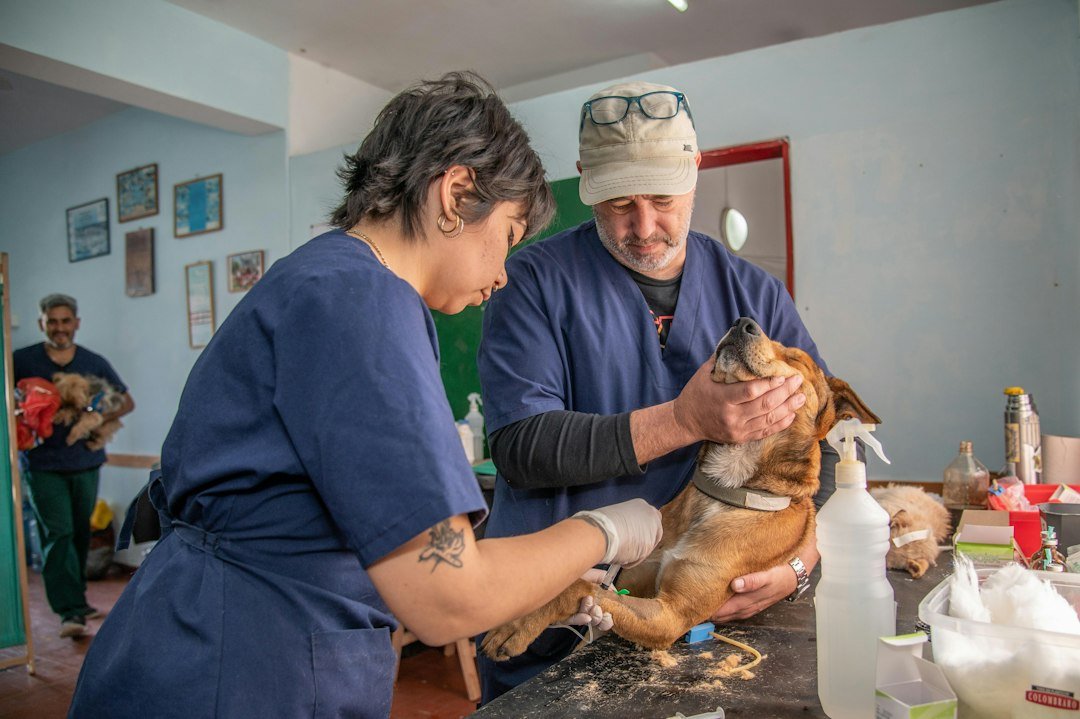
Immediate action: identify the exact product, keep the packaging, estimate how much is missing, note the time and contact a veterinarian or animal poison service promptly. Do not wait for weakness, tremors or seizures before seeking advice.
What xylitol is
Xylitol is a sugar alcohol used as a sweetener and functional ingredient in many food and non-food products.
Why dogs are uniquely sensitive
In dogs, xylitol can cause a sudden insulin release that lowers blood glucose rapidly.
Why cats are different
Current veterinary toxicology references describe the hypoglycemia and liver-injury syndrome primarily in dogs.
Common xylitol sources
Sugar-free gum, mints, candy, baked goods, peanut and nut butters, toothpaste, mouthwash, chewable vitamins, supplements, medications and some cosmetic or personal-care products can contain xylitol.
Why medication products matter
Some sugar-free syrups and oral solutions contain xylitol, including certain human gabapentin liquids.
Why “sugar-free” should trigger a label check
Not every sugar-free product contains xylitol, but the phrase should prompt careful ingredient review.
Other names
Xylitol may be described as birch sugar or wood sugar on some labels.
How quickly signs can begin
Hypoglycemia can develop rapidly after ingestion, though absorption may be delayed in products such as gum.
Early signs of low blood sugar
Vomiting, weakness, lethargy, incoordination and trembling can occur.
Seizures
Severe hypoglycemia can cause seizures and coma.
Why collapse is an emergency
Collapse can indicate profound hypoglycemia or systemic deterioration.
Liver injury
Some dogs develop significant hepatic injury after xylitol exposure. The mechanism is not fully understood.
Why liver signs can be delayed
Vomiting, lethargy, jaundice or bleeding tendency may appear after the initial glucose problem.
Why a dog can develop liver injury without obvious early hypoglycemia
Veterinary reports describe severe hepatic injury in some dogs even when low blood sugar was not the dominant presenting problem.
What jaundice looks like
Yellow discoloration may be visible in the gums, eyes or skin.
Why bleeding can occur
Severe liver failure can impair clotting-factor production.
How much xylitol is dangerous?
Risk is dose-dependent, but product concentration is often not printed. Small dogs can receive a high mg/kg exposure from a modest amount of gum or syrup.
Why ingredient order is not enough
An ingredient listed near the end can still represent a clinically important amount for a small dog.
Why gum is difficult to estimate
Different brands and flavours can contain very different amounts of xylitol per piece.
Why peanut butter deserves checking
Most peanut butter is xylitol-free, but some sugar-free or specialty products use xylitol.
Why toothpaste is dangerous
Human toothpaste should not be used for dogs unless the product is specifically formulated for pets.
Why vitamins and supplements matter
Chewable human products may combine xylitol with iron, vitamin D or other ingredients that create additional toxicity.
Why sleep gummies are a concern
They may contain xylitol, melatonin, 5-HTP or other active ingredients.
Why liquid gabapentin matters
Some human oral solutions contain clinically important xylitol concentrations. A veterinarian may prescribe gabapentin to a dog while still rejecting the specific human liquid formulation.
Why formulation is as important as active ingredient
The same medication can be safe as a capsule and unsafe as a sweetened liquid vehicle.
What if the dog ate only one piece of gum?
The risk depends on gum brand, xylitol content and dog weight. Do not assume one piece is harmless.
What if the xylitol amount is unknown?
Call with the product name and package. Poison specialists may be able to obtain manufacturer information.
Do not wait for symptoms
Early treatment can be important before blood glucose falls.
Do not induce vomiting automatically
Because hypoglycemia can develop rapidly, emesis should be guided by veterinary professionals and only considered while the dog remains neurologically normal.
Activated charcoal
Activated charcoal does not bind xylitol well and is not a routine treatment for xylitol poisoning.
Blood glucose monitoring
Veterinary teams may check glucose repeatedly because hypoglycemia can recur or be delayed.
IV dextrose
Dogs with low blood sugar may require intravenous dextrose and ongoing monitoring until glucose remains stable without supplementation.
Why potassium may be monitored
Insulin-driven shifts can contribute to low blood potassium.
Liver enzyme monitoring
Significant exposures may require serial liver values for several days.
Clotting tests
When liver injury is suspected, clotting parameters may be checked because hepatic failure can cause coagulopathy.
Why hospitalization may be needed after glucose normalizes
The liver-risk window can extend beyond the early hypoglycemia period.
What if the dog seems normal several hours later?
Delayed hypoglycemia or liver injury can still occur depending on the product and dose.
What if the dog is diabetic?
Insulin therapy and xylitol-induced insulin release make the situation especially complex. Treat exposure as urgent.
What if the dog has liver disease?
Pre-existing hepatic disease may reduce reserve and complicate prognosis.
What if the dog is a puppy?
Small body size means a small product amount can create a high mg/kg exposure.
Why fasting can worsen the clinical picture
A dog without recent food intake may have less immediate glucose reserve.
What information to collect
- product name;
- ingredient list;
- number of pieces or volume missing;
- time of ingestion;
- dog’s weight;
- current symptoms;
- photos of the package.
Why the packaging should come to the clinic
It may contain manufacturer contact information and ingredient details unavailable online.
Why home sugar is not enough
Sugar applied to the gums may be used in selected emergencies under professional direction, but it does not remove the need for veterinary evaluation and ongoing monitoring.
Why prevention is straightforward
Keep gum, toothpaste, supplements, sugar-free foods and human liquid medicines in secure cabinets rather than purses, counters or bedside tables.
Why guests matter
Visitors may carry gum or sugar-free products in bags left on the floor.
Why pet sitters need warning
Anyone giving medication should know not to substitute human sugar-free liquids or pill-hiding foods without checking ingredients.
Source context
The Merck Veterinary Manual’s xylitol toxicosis review describes rapid hypoglycemia, possible delayed liver injury and the importance of glucose and liver monitoring after clinically significant exposure.
Related DogMedsHub guides
See Poisoning & Overdose, Xylitol in Liquid Medicines, Human Medications Dangerous to Dogs and Gabapentin for Dogs.
How to reconstruct a xylitol exposure
Count gum pieces, check serving sizes, estimate missing liquid or food, and photograph the full ingredient panel. If the package does not state xylitol quantity, do not guess that the amount is low.
Why product manufacturer matters
Poison specialists may need to contact the manufacturer because xylitol content per piece or serving is often proprietary.
Why different flavours from the same brand can vary
One flavour may contain xylitol while another does not, or the amount may differ. Use the exact package.
Why reformulation matters
Manufacturers can change sweeteners over time, so old internet lists of “safe” brands can become outdated.
Why gum wrappers matter
They can identify flavour and lot information and help estimate how many pieces are missing.
Why chewed gum is still relevant
Used gum may retain xylitol. Dogs can ingest pieces from bins, bags or sidewalks.
Why sugar-free candy is hard to assess
Serving sizes and sweetener blends vary, and multiple sugar alcohols may be present.
Why bakery products can hide xylitol
Homemade or specialty low-sugar baked goods may use xylitol without obvious front-label warnings.
Why nut butters should be checked every time
A brand may introduce a low-sugar or protein product using a different sweetener system from its standard version.
Why medications can be an overlooked source
Owners may assume a prescribed human liquid is safe because the active drug is veterinary-approved. The vehicle can still contain xylitol.
Why compounded medicine needs verification too
Compounding pharmacies use different bases. Ask specifically whether the formulation is xylitol-free.
Why oral-care products are especially risky
Toothpaste and mouthwash are often heavily sweetened and may be stored where dogs can reach them.
Why personal-care products can matter
Some cosmetics and hygiene products contain xylitol even though they are not intended to be swallowed.
Why dose calculation is often uncertain
The xylitol amount may not be declared, so veterinarians frequently work from worst-case estimates and manufacturer data.
Why a small dog can become hypoglycemic rapidly
A few pieces of a concentrated product can create a much higher mg/kg exposure in a toy breed.
Why delayed absorption can happen with gum
The gum matrix can slow release, extending the time before hypoglycemia appears.
Why normal glucose on arrival is not the end of monitoring
Blood glucose can fall later depending on product and timing.
Why serial glucose checks are used
Repeated measurements detect recurrent or delayed hypoglycemia and guide dextrose treatment.
Why continuous glucose monitoring may sometimes help
Specialty hospitals may use continuous or frequent monitoring in significant exposures, though protocols vary.
Why potassium can fall
Insulin drives potassium into cells along with glucose, contributing to hypokalemia in some cases.
Why phosphorus can change
Similar intracellular shifts can alter phosphorus levels.
Why seizures can recur
If blood glucose falls again after temporary correction, neurologic signs can return.
Why dextrose treatment must be tapered carefully
The team monitors whether the dog can maintain normal glucose after supplemental dextrose is reduced.
Why a dog can be discharged only after stable glucose is demonstrated
A single normal reading while receiving dextrose does not prove the hypoglycemia has resolved.
Why liver injury is a separate phase of risk
Glucose may stabilize while hepatic damage is still evolving.
Why liver enzymes may rise before clinical jaundice
Laboratory changes can provide earlier evidence of hepatocellular injury.
Why clotting times may worsen
Severe hepatic dysfunction reduces production of clotting proteins and can create spontaneous bleeding.
Why platelet count may be checked
Thrombocytopenia can accompany severe hepatic toxicosis.
Why phosphorus can also have prognostic value
Marked hyperphosphatemia has been reported in severe xylitol-associated liver injury.
Why hepatoprotective drugs may be considered
Veterinarians may use N-acetylcysteine, SAMe or other liver-supportive therapies in significant exposures, though evidence for preventing liver injury is not complete.
Why owners should not self-dose liver supplements
Emergency protocols depend on exposure, bloodwork and clinical status. Supplements do not replace glucose monitoring or hospital care.
Why activated charcoal is not useful for xylitol
Xylitol is not appreciably bound by charcoal, so routine charcoal administration adds risk without meaningful benefit.
Why vomiting should be veterinarian-directed
Rapid hypoglycemia can make a dog neurologically unsafe for emesis. Once weakness or incoordination appears, aspiration risk increases.
Why feeding alone is not reliable treatment
A meal may temporarily raise glucose but cannot prevent recurrent hypoglycemia or liver injury after significant exposure.
Why corn syrup on gums is only an emergency bridge
Under professional direction, a sugar source may be used temporarily in a conscious hypoglycemic dog, but it does not replace transport and veterinary treatment.
Why an unconscious dog should not be force-fed
Food or liquid can be aspirated. Emergency transport is the priority.
Why xylitol and insulin overdose can look similar
Both can cause profound hypoglycemia, weakness, tremors, seizures and collapse. Exposure history helps distinguish the cause.
Why insulin-treated diabetic dogs need special caution
Existing insulin therapy complicates glucose management and requires immediate veterinary supervision.
Why liver disease may worsen prognosis
A dog with reduced hepatic reserve may have less ability to tolerate additional injury.
Why pancreatitis history does not reduce the xylitol concern
The emergency problem is insulin release and possible hepatic injury, not simply the type of food eaten.
Why repeated small exposures are still relevant
If a dog repeatedly steals xylitol-containing gum or medication, tell the veterinarian the full exposure history rather than focusing only on the latest incident.
Why discharge instructions should include liver follow-up
Significant exposures may require repeat liver enzymes or clotting studies after the dog leaves the hospital.
Why normal appetite after discharge is reassuring but not sufficient
Clinical recovery should be interpreted alongside planned laboratory follow-up when the exposure was large.
Why gum and medicines should be stored separately from dog treats
Similar packaging and flavours can encourage accidental access.
Why handbags are a major prevention target
Many gum exposures happen when dogs raid bags left on the floor.
Why bathroom cabinets matter
Toothpaste, mouthwash and supplements can all be xylitol sources.
Why visitors should be warned
Guests may carry gum, mints or sugar-free medicines without realizing they are dangerous to dogs.
Why a xylitol-free medication record helps
If a dog uses a human liquid such as gabapentin, document the verified manufacturer or compounding base so future refills are not substituted silently.
The practical takeaway
Xylitol poisoning is one of the household exposures where early action before symptoms can materially change the outcome. Identify the product and call promptly.
Why xylitol emergencies are preventable
Unlike many environmental toxins, xylitol exposures usually come from identifiable household products. Secure storage and ingredient checks can prevent most cases.
Why medication substitution is a recurring risk
A pharmacy may change manufacturer or flavour while keeping the same active drug and concentration. Owners using human liquid medicines for dogs should recheck the inactive ingredients every refill.
Why a written “xylitol-free” note helps
Recording the approved manufacturer or compounded vehicle in the dog’s medication list reduces the chance that a later refill introduces an unsafe sweetener.
Why one successful previous bottle does not guarantee the next
Reformulation and generic substitution can change inactive ingredients without changing the drug name.
Why veterinarians ask about gum even when the dog is already improving
Delayed liver injury can develop after early hypoglycemia has resolved, so product details still matter after the dog looks brighter.
Last reviewed: October 2026. Suspected xylitol ingestion can become an emergency quickly; contact a veterinarian or animal poison service promptly.