
Many common human medications can seriously harm dogs. The danger is not limited to prescription drugs: over-the-counter pain relievers, cold medicines, supplements, sleep aids, topical creams and sugar-free liquids can all create poisoning risk. A medicine being safe for people—or even sold without prescription—does not make it safe for dogs.
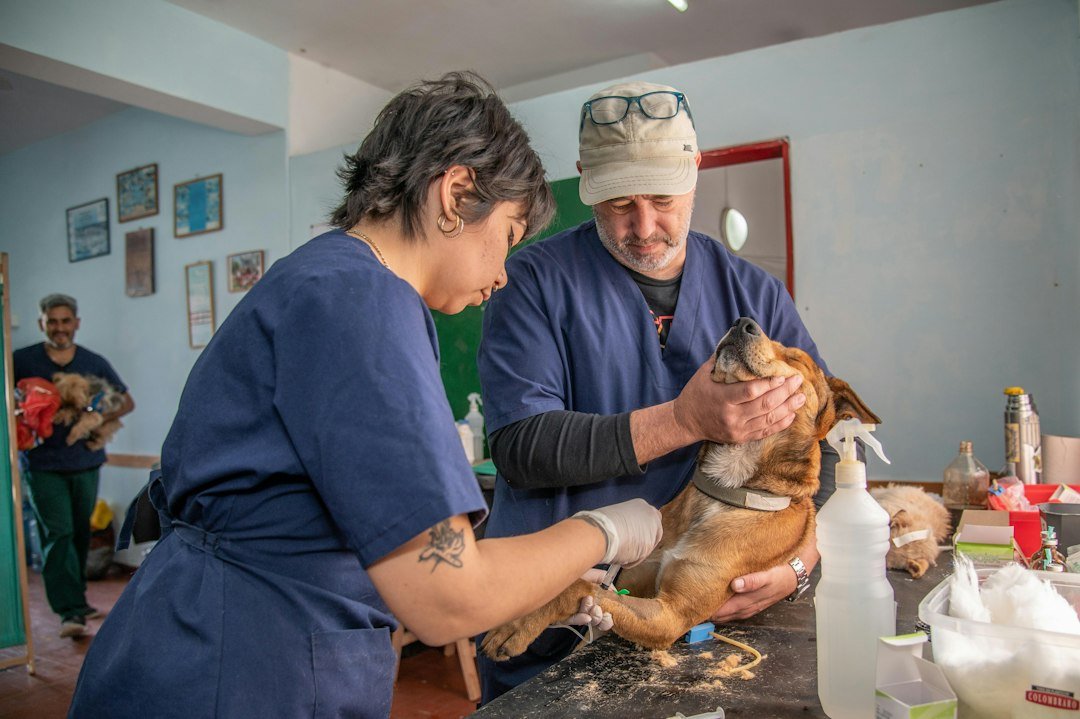
This guide explains the human medication categories that most deserve caution, what signs can occur, why exact product identification matters, what not to give at home, and how to prevent household exposures.
First rule: do not give human medication without veterinary advice
Some human drugs are used in veterinary medicine, but the dose, formulation and indication can be very different. The veterinarian’s instructions—not the human label—determine whether a product is appropriate for a dog.
Ibuprofen
Ibuprofen can cause gastrointestinal ulceration, bleeding and kidney injury in dogs, with neurologic signs at higher exposures. It should not be used casually for canine pain.
Naproxen
Naproxen can be especially dangerous because dogs clear it slowly. Even relatively small exposures can create prolonged gastrointestinal and renal risk.
Acetaminophen / Tylenol
Acetaminophen can cause liver injury and changes to hemoglobin that impair oxygen delivery. Dogs are less sensitive than cats but can still develop serious toxicity.
Aspirin
Aspirin has selected veterinary uses but can cause gastrointestinal irritation, bleeding and acid-base problems at excessive doses. It should not be combined casually with other NSAIDs or corticosteroids.
Why “pain reliever” is not specific enough
Combination human products can contain acetaminophen, caffeine, antihistamines, decongestants or opioids. Read the full active-ingredient list.
Cold and flu medicines
These often contain multiple active ingredients. Pseudoephedrine, phenylephrine, acetaminophen, dextromethorphan, antihistamines and caffeine can all be present in one product.
Pseudoephedrine
This decongestant can cause agitation, high blood pressure, rapid heart rate, tremors and seizures.
Phenylephrine
Phenylephrine can affect blood pressure and heart rate and should not be given casually to dogs.
Antihistamines
Some single-ingredient antihistamines are used in dogs, but dose and formulation matter. Combination “D” products often add decongestants that can be dangerous.
Diphenhydramine / Benadryl
Plain diphenhydramine may be used in selected veterinary situations, but liquid and combination formulations require ingredient checks.
Sleep aids
Human sleep products may contain antihistamines, zolpidem, melatonin, herbs, xylitol or other compounds. They are not interchangeable.
Melatonin products
Plain melatonin is sometimes used in dogs, but gummies and flavored liquids may contain xylitol or 5-HTP.
5-HTP
5-hydroxytryptophan can produce serious serotonin-related toxicity and should not be treated as equivalent to melatonin.
Antidepressants
SSRIs, SNRIs and tricyclic antidepressants can cause sedation, agitation, tremors, seizures, cardiovascular changes or serotonin syndrome after overdose.
Fluoxetine
Fluoxetine is prescribed to some dogs, but accidental ingestion of a human supply or interaction with other serotonergic medicines can still be dangerous.
Sertraline, citalopram and similar SSRIs
These drugs differ in potency and cardiac effects. Exact identification matters.
Venlafaxine and other SNRIs
These can cause neurologic and cardiovascular toxicity in dogs after accidental ingestion.
Tricyclic antidepressants
Drugs such as amitriptyline can affect heart rhythm and the central nervous system.
Benzodiazepines
Alprazolam, diazepam and related drugs can cause sedation, weakness or paradoxical excitement.
Zolpidem
Human sleep medicines can produce sedation or paradoxical stimulation and should be assessed promptly after ingestion.
ADHD and stimulant medications
Amphetamine and methylphenidate products can cause severe agitation, rapid heart rate, overheating, tremors and seizures.
Heart medications
Beta blockers, calcium-channel blockers, antiarrhythmics and other cardiovascular drugs can cause dangerous changes in heart rate and blood pressure.
Blood-pressure medications
ACE inhibitors and other antihypertensives can cause hypotension or kidney-related complications depending on exposure.
Diuretics
Human diuretics can cause dehydration and electrolyte abnormalities.
Diabetes medications
Insulin and oral hypoglycemic drugs can cause dangerous low blood sugar.
Thyroid medication
Levothyroxine has a different safety margin from many other human medicines, but dose and dog size still matter.
Iron supplements
Iron can cause severe gastrointestinal irritation and systemic toxicity at high exposures. Prenatal vitamins can contain substantial iron.
Vitamin D
Vitamin D supplements and some prescription products can cause hypercalcemia and kidney injury.
Calcium supplements
Large exposures can alter blood calcium and may be especially problematic when combined with vitamin D.
Multivitamins
Risk depends on the individual ingredients. Iron, vitamin D and xylitol are important examples.
Caffeine
Caffeine in tablets, energy products or combination medications can cause restlessness, rapid heart rate, tremors and seizures.
Nicotine products
Nicotine gum, lozenges, pouches, patches and e-liquid can cause vomiting, agitation, weakness, abnormal heart rate, tremors or collapse.
Topical pain creams
Dogs can lick human NSAID, lidocaine or other medicated creams from skin or chew the tube.
5-fluorouracil cream
The FDA specifically warns that fluorouracil skin cream can be fatal to pets if ingested. Keep tubes and treated skin inaccessible.
Hormone creams
Topical estrogen or testosterone can expose dogs through skin contact or licking.
Psoriasis and dermatology products
Some topical products contain potent vitamin D analogues or other drugs that can cause serious toxicity.
Transdermal patches
Used patches can still contain substantial drug. Opioid and nicotine patches are especially concerning.
Inhalers
Chewing a metered-dose inhaler can release a concentrated amount of bronchodilator rapidly and may also cause canister trauma.
Eye drops
Some ophthalmic medications can affect heart rate or blood pressure if swallowed. Keep bottles secured.
Nasal sprays
Decongestant sprays may contain sympathomimetic drugs, and the FDA notes that some products can contain xylitol.
Cough syrups
These may combine dextromethorphan, acetaminophen, decongestants, alcohol or xylitol.
Gummies
Gummies can contain melatonin, vitamins, THC, xylitol or multiple supplements. Do not assume they are low risk because they resemble candy.
What to do after a human-medication ingestion
Secure the product, count what is missing, note the strength and time, weigh the dog if possible and contact a veterinarian or animal poison service promptly.
Do not induce vomiting automatically
The correct response depends on the drug, formulation, timing and the dog’s neurologic state.
Do not give milk, oil or another drug as a home antidote
These can delay appropriate treatment or create complications.
What if the dog looks normal?
Kidney, liver and gastrointestinal injury can develop before obvious symptoms appear.
What information the veterinarian needs
- exact product name;
- active ingredients;
- strength;
- estimated amount missing;
- time of ingestion;
- dog’s weight;
- current symptoms;
- other medications and diseases.
Why package photos help
They reveal combination ingredients, extended-release wording and concentration quickly.
How to prevent exposures
Store human and pet medicines separately, keep bags off the floor, close bedside drawers, secure garbage and never leave pill organizers within reach.
Why guests should be warned
Visitors may carry medication, nicotine products or sugar-free gum in accessible bags.
Why pet medication can also harm people
Separation protects both directions. The FDA notes that mix-ups can involve owners accidentally taking pet medication as well.
FDA medication-safety guidance
The FDA advises pet owners to understand exactly why a medication is being used, how it should be given, and what side effects or handling precautions matter. Human medications should not be substituted without veterinary guidance.
Related DogMedsHub guides
See Poisoning & Overdose, Xylitol in Liquid Medicines, Wrong Medication and Medication Safety.
Why dogs get into human medication so often
Many exposures happen because pills are left on counters, dropped on the floor, carried in purses or stored in weekly organizers. Dogs may also chew bottles because they smell food residue, flavouring or the owner’s scent.
Why medication dropped on the floor should be found immediately
A single missing tablet can matter in a small dog. Search before assuming it disappeared under furniture.
Why handbags are a high-risk source
Pain relievers, antidepressants, gum, nicotine products and supplements are commonly carried in bags placed within reach.
Why visitors change the household risk
Guests may not know the dog counter-surfs or opens bags. Ask them to store medicine and gum securely.
Why children’s medications can still be dangerous
Pediatric products can contain concentrated active ingredients, xylitol, decongestants or other components not appropriate for dogs.
Why senior adults’ pill organizers are a risk
Daily organizers are easy for dogs to chew and may contain several high-risk drugs at once.
Why combination products are especially dangerous
One swallowed tablet may expose the dog to several active ingredients, each with a different toxicity profile.
Extended-release formulations
ER, XR, SR and CR products can prolong exposure and alter decontamination or monitoring decisions.
Enteric-coated products
Delayed dissolution can make the timing of absorption less predictable.
Opioids
Human opioid medications can cause profound sedation, respiratory depression, vomiting and coma. Some products also contain acetaminophen.
Tramadol
Tramadol has veterinary uses in selected contexts, but overdose can cause sedation, agitation, seizures or serotonin-related effects.
Codeine combinations
Codeine products may be combined with acetaminophen or other ingredients, increasing the toxicology complexity.
Muscle relaxants
Human skeletal muscle relaxants can cause marked sedation, weakness, cardiovascular effects or seizures depending on the drug.
Baclofen
Baclofen is particularly concerning because dogs can develop profound weakness, respiratory depression, coma and prolonged neurologic effects.
Muscle creams are not harmless
Topical products may contain NSAIDs, salicylates, lidocaine, menthol or other active ingredients. Dogs can ingest them by licking treated skin.
Anticoagulants and antiplatelet drugs
Human blood thinners can increase bleeding risk. Exact drug identification is essential because different agents have different mechanisms and reversal strategies.
Warfarin
Warfarin can cause delayed bleeding and may require clotting monitoring and vitamin K treatment after significant exposure.
Direct oral anticoagulants
Newer human anticoagulants have different pharmacology and should be assessed by a poison specialist or veterinarian.
Blood-pressure combination pills
One tablet may contain two antihypertensive drugs or a diuretic, so the complete label matters.
Beta blockers
These can cause slow heart rate, low blood pressure, weakness and collapse.
Calcium-channel blockers
These can cause severe cardiovascular depression and require urgent assessment.
ACE inhibitors
These may cause low blood pressure or kidney-related effects, particularly with larger exposures or pre-existing disease.
Statins
Cholesterol-lowering medicines often have a wider safety margin than some cardiovascular drugs, but large or repeated exposure can still cause gastrointestinal or muscle-related effects.
Hormonal medications
Birth-control pills, thyroid medicines, estrogen creams and testosterone products can create species-specific risks after ingestion or repeated contact.
Oral contraceptives
Single exposures may be less severe than some other drugs, but packaging can contain iron-containing placebo tablets that change the risk.
Fertility medications
Some contain potent hormones and should be kept securely away from pets.
Anti-cancer medications
Human chemotherapy drugs can be dangerous even in small amounts and may pose handling risks to owners after exposure.
5-fluorouracil
The FDA warns that fluorouracil cream can be fatal to pets. Tiny amounts from a chewed tube or treated skin can cause severe illness.
Immunosuppressants
Drugs such as tacrolimus, cyclosporine or mycophenolate can have serious effects and require substance-specific assessment.
Transplant medications
These may affect immune function, kidneys or other systems and should not be treated as routine household pills after accidental ingestion.
Seizure medications
Human anticonvulsants can cause profound sedation, ataxia or cardiovascular effects depending on the drug and amount.
Phenobarbital
Phenobarbital is also used in veterinary medicine, but accidental excess can cause dangerous sedation and respiratory depression.
Levetiracetam
Levetiracetam may have a relatively wider safety margin than some drugs, but extended-release formulations and large ingestions still need assessment.
Gabapentin
Gabapentin overdose can cause sedation and incoordination. Human liquid formulations may create an additional xylitol risk.
Muscle and joint supplements
Human supplements can contain vitamin D, xylitol, iron or herbal ingredients that create separate toxicity concerns.
Weight-loss products
Some contain caffeine, stimulants or concentrated botanical ingredients. These can cause cardiovascular and neurologic signs.
Pre-workout supplements
Caffeine and stimulant combinations can be dangerous, especially when the amount per scoop is high.
Protein powders and shakes
The main concern may be added xylitol, caffeine, chocolate ingredients, vitamins or other supplements rather than protein itself.
THC and cannabis products
Edibles may combine THC with chocolate or xylitol. Dogs can develop marked neurologic signs after exposure.
CBD products
CBD formulations vary in purity and may contain THC or other ingredients. Accidental ingestion should be assessed based on the exact product.
Nicotine pouches and gum
These are highly concentrated and attractive because of flavour. Keep them secured and dispose of used products carefully.
Vape liquid
Nicotine e-liquid can be very concentrated and is dangerous if swallowed or spilled on fur and then groomed.
Why the trash can is part of medication safety
Used patches, empty tubes, blister cards and wrappers can still contain drug residue. Secure waste until disposal.
Why bathroom counters are a common hazard
Toothpaste, mouthwash, creams, pills and supplements may all be accessible there, including xylitol-containing products.
Why nightstands are a common hazard
Sleep aids, pain relievers and blood-pressure medicine are often left uncovered for convenience.
Why kitchen counters are a common hazard
Supplements, vitamins and pill organizers may be placed near food, encouraging dogs to investigate.
Why an intact bottle does not prove no exposure
Dogs can open caps or puncture plastic without destroying the entire container. Count tablets when possible.
Why the worst plausible exposure should be reported
If five tablets are missing but you are unsure whether the dog ate one or all five, tell the veterinarian that up to five may have been swallowed.
Why dose per kilogram matters in poisoning
The same tablet can be insignificant in one dog and dangerous in another because body weight changes the exposure. Current weight helps toxicology assessment.
Why formulation changes risk
Extended-release, liquid, patch and topical forms may produce different absorption patterns from ordinary tablets.
Why underlying disease matters
Kidney, liver, heart or neurologic disease can reduce the margin of safety after an exposure.
Why current medications matter
A human NSAID is even more concerning in a dog already taking a veterinary NSAID or prednisone. Serotonergic exposures can be more dangerous in a dog on trazodone or fluoxetine.
Why a poison-service case number can help
When an animal poison service is consulted, provide the case number to the treating veterinarian so recommendations can be coordinated.
Why decontamination should not be improvised
Vomiting, charcoal and other measures depend on the drug, timing and neurologic status. Home treatment can worsen aspiration or delay care.
Why delayed organ injury matters
Some exposures cause kidney, liver or gastrointestinal injury hours after the dog appears normal. Follow-up bloodwork may be recommended.
Why discharge does not always end monitoring
The clinic may ask for repeat kidney values, liver enzymes, glucose or clotting tests after the dog goes home.
Household prevention checklist
- human and pet medicines stored separately;
- bags kept off the floor;
- pill organizers secured;
- gum and nicotine products locked away;
- topical medicines inaccessible;
- used patches disposed of securely;
- dropped pills found immediately;
- guests warned about pet access.
Last reviewed: October 2026. Educational information only; suspected human-medication ingestion should be assessed promptly using the exact product, dose and dog.