
If your dog ate a human medication, the safest first step is to identify the exact product before trying to judge risk. Some human medicines are also used by veterinarians in carefully selected dogs, while others can cause severe poisoning after only a small exposure. The active ingredient, strength, formulation, amount swallowed and your dog’s weight matter more than whether the product was prescription or over the counter.
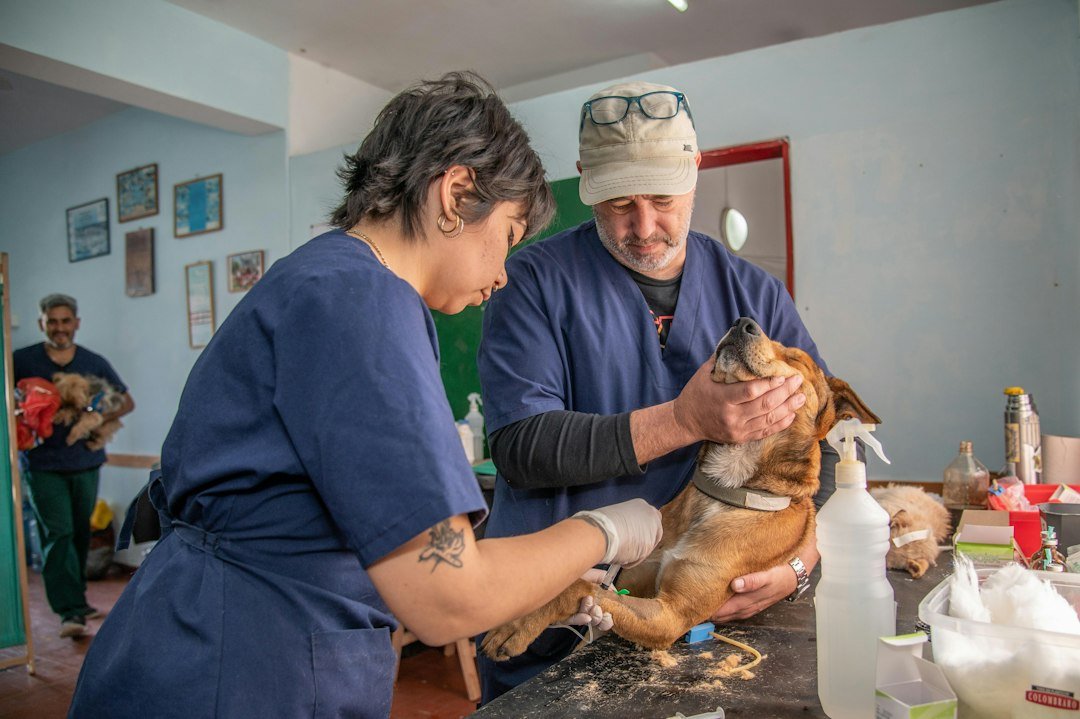
Immediate action: take the medication away, save the package, count what is missing, note the time, and contact a veterinarian or animal poison service. If the dog is collapsed, seizing, having difficulty breathing, profoundly weak or unable to stand, go to emergency care immediately.
Do not guess from the pill’s color
Hundreds of human tablets share similar colors and shapes. The original bottle, blister pack or prescription record is much more reliable.
Do not rely on the brand name alone
Brands can include several products with different active ingredients and strengths.
Check every active ingredient
Cold, flu, migraine, sleep and pain products often contain more than one drug.
Why combination products are a common trap
An owner may recognize one familiar ingredient and overlook a decongestant, stimulant or pain reliever that creates the greater risk.
Why “over the counter” does not mean dog-safe
Ibuprofen, naproxen, acetaminophen, pseudoephedrine and several other common OTC medicines can cause serious canine toxicity.
Why a prescription medication is not automatically more dangerous
Risk depends on the specific drug. Some prescription medicines have wider margins than familiar household products.
How to estimate what was swallowed
Count remaining tablets, check the original quantity if known and report the highest plausible number missing.
Why strength matters
A 5 mg tablet and a 500 mg tablet are completely different exposures, even if the drug name is the same.
Why liquid concentration matters
For syrups and solutions, record mg/mL or mg per 5 mL along with the amount missing.
Why dog weight matters
One tablet can create a much larger dose per kilogram in a small dog.
Why time matters
Recent exposures may still be eligible for decontamination before substantial absorption occurs.
Why food in the stomach does not guarantee safety
A meal can alter absorption speed but does not neutralize most drugs.
Why vomiting on its own does not prove the exposure is over
Some medication may already have dissolved and been absorbed.
Should I make my dog vomit?
Only if a veterinarian or poison professional specifically advises it. Some dogs or substances make induced vomiting unsafe.
Why hydrogen peroxide can cause problems
Improper use can cause gastritis, aspiration and delay of definitive treatment.
Why milk, bread or oil are not antidotes
These household remedies do not neutralize most medications and can create false reassurance.
Human pain medicines
Ibuprofen, naproxen and acetaminophen are among the most important household medication hazards.
Ibuprofen
Ibuprofen can cause gastrointestinal ulceration, kidney injury and neurologic toxicity. See Ibuprofen Poisoning in Dogs.
Naproxen
Naproxen is especially concerning because dogs eliminate it slowly. See Naproxen Poisoning in Dogs.
Acetaminophen / Tylenol
Acetaminophen can cause liver injury and abnormal hemoglobin that impairs oxygen delivery. See Acetaminophen Poisoning in Dogs.
Aspirin
Aspirin can cause GI ulceration, bleeding and metabolic disturbances, especially with overdose or prolonged use. See Aspirin Overdose in Dogs.
Decongestants
Pseudoephedrine and phenylephrine can cause agitation, hypertension, rapid heart rate, tremors and seizures.
Why “D” allergy products are risky
Products labeled with a “D” often contain a decongestant in addition to an antihistamine.
Antihistamines
Some single-ingredient antihistamines are used in dogs, but combination products, concentration and dose still matter.
Diphenhydramine / Benadryl
Plain diphenhydramine may be prescribed to dogs, but some liquid or combination products are inappropriate.
Sleep aids
Human sleep products may contain antihistamines, zolpidem, melatonin, herbs, xylitol or several actives together.
Melatonin products
Plain melatonin and melatonin gummies are not equivalent. Gummies may contain xylitol or 5-HTP.
5-HTP
5-hydroxytryptophan can produce severe serotonin-related toxicity and should not be treated as harmless simply because it is sold as a supplement.
Antidepressants
SSRIs, SNRIs and tricyclic antidepressants can produce sedation, agitation, tremors, seizures, cardiovascular effects or serotonin syndrome.
Fluoxetine
Fluoxetine is prescribed to some dogs, but a human overdose or interaction with trazodone or other serotonergic drugs can still be dangerous.
Venlafaxine and similar drugs
Some antidepressants can cause pronounced neurologic and cardiovascular signs after accidental ingestion.
Tricyclic antidepressants
Amitriptyline and related medicines can affect heart rhythm and the nervous system.
Benzodiazepines
Alprazolam, diazepam and similar drugs can cause sedation, weakness or paradoxical excitement.
Zolpidem
Human prescription sleep medicines can cause marked sedation or paradoxical stimulation.
ADHD stimulants
Amphetamine and methylphenidate products can cause severe agitation, rapid heart rate, high blood pressure, overheating, tremors and seizures.
Heart medications
Beta blockers, calcium-channel blockers, antiarrhythmics and other cardiac medicines can cause dangerous cardiovascular changes.
Beta blockers
These can cause slow heart rate, low blood pressure, weakness and collapse.
Calcium-channel blockers
These can cause profound cardiovascular depression and may require intensive treatment.
ACE inhibitors
These may cause hypotension or renal effects, particularly with larger exposures or pre-existing disease.
Diuretics
Human diuretics can cause dehydration and electrolyte abnormalities.
Diabetes medicines
Insulin and sulfonylureas can cause life-threatening hypoglycemia.
Thyroid medicine
Levothyroxine often has a different safety profile from many heart medicines, but repeated or large exposure still needs assessment.
Iron
Iron supplements can cause severe gastrointestinal irritation and systemic toxicity. Prenatal vitamins may contain substantial iron.
Vitamin D
High-potency vitamin D can cause hypercalcemia and kidney injury. See Vitamin D Overdose in Dogs.
Multivitamins
Risk depends on the full ingredient list, particularly iron, vitamin D and xylitol.
Caffeine
Caffeine tablets, energy products and combination pain medicines can cause restlessness, rapid heart rate, tremors and seizures.
Nicotine products
Gum, lozenges, pouches, patches and vape liquid can cause vomiting, weakness, abnormal heart rate, tremors or collapse.
Topical pain creams
Dogs may lick NSAID, salicylate or lidocaine creams from an owner’s skin or chew the tube.
5-fluorouracil cream
This human skin medication can be extraordinarily dangerous to pets and may cause severe neurologic and gastrointestinal toxicity after small ingestions.
Hormone creams
Estrogen and testosterone products can expose dogs through direct licking or repeated skin contact.
Psoriasis medications
Some contain vitamin D analogues such as calcipotriene, which can cause severe hypercalcemia in dogs.
Transdermal patches
Used nicotine, opioid or other patches can retain substantial active drug and remain dangerous in the trash.
Inhalers
Chewing a metered-dose inhaler can release a large amount of bronchodilator quickly and can also injure the mouth with a pressurized canister.
Eye drops
Some ophthalmic drugs can affect heart rate or blood pressure if swallowed.
Nasal sprays
Decongestant sprays can contain sympathomimetic drugs and some formulations may include xylitol.
Cough syrups
These may combine dextromethorphan, acetaminophen, alcohol, decongestants or xylitol.
Gummies
Gummies can contain melatonin, THC, xylitol, vitamins or other supplements and should be treated by their full ingredient list.
CBD products
CBD formulations vary in purity and may contain THC or other compounds that change the risk.
THC products
Edibles may combine THC with chocolate or xylitol, creating multiple toxicities.
Muscle relaxants
Human muscle relaxants can cause severe sedation, weakness, respiratory depression or seizures depending on the drug.
Baclofen
Baclofen is especially concerning because severe neurologic depression can be prolonged.
Anticoagulants
Human blood thinners can increase bleeding risk and may require drug-specific monitoring or reversal strategies.
Warfarin
Warfarin can cause delayed bleeding and may require clotting tests and vitamin K treatment after significant exposure.
Direct oral anticoagulants
Newer anticoagulants differ from warfarin and need substance-specific toxicology advice.
Opioids
Opioids can cause profound sedation and respiratory depression. Combination products may also contain acetaminophen.
Seizure medications
Human anticonvulsants can cause sedation, incoordination or cardiovascular effects depending on the drug and formulation.
Gabapentin
Gabapentin can cause sedation and ataxia; some human liquid formulations add xylitol risk.
Why extended-release versions matter
Delayed-release formulations can prolong absorption and monitoring needs.
Why one normal hour does not guarantee safety
Some toxicities are delayed and may not be obvious until kidney, liver or cardiovascular effects develop.
Why emergency clinics may involve poison control
Toxicologists can calculate exposure and provide treatment recommendations for less familiar or multi-drug ingestions.
Why a poison-control case number helps
Give the case number to the treating veterinarian so recommendations can be coordinated efficiently.
Why the veterinarian may ask for a medication photo
A clear photo can reveal dose strength, release type and combination ingredients faster than a verbal description.
Why bloodwork is substance-specific
Kidney values may matter after NSAIDs, liver values after acetaminophen, glucose after insulin or xylitol, and ECG monitoring after many heart or stimulant drugs.
Why the dog’s existing medications matter
A human NSAID is more concerning in a dog already taking carprofen or prednisone. A serotonergic drug may be more dangerous in a dog taking trazodone or fluoxetine.
Why underlying disease matters
Kidney, liver, heart and neurologic disease can reduce the margin of safety.
Why dogs with ABCB1/MDR1 sensitivity deserve extra caution
Some drugs and antiparasitic exposures can produce greater neurologic toxicity in genetically susceptible dogs.
Why home observation should be professional advice, not self-triage
Sometimes the calculated exposure is low risk and home monitoring is appropriate. That conclusion should come after the exact product and dose have been assessed.
Why prevention starts with storage
Keep human medications in closed cabinets, not on bedside tables, counters or low shelves.
Why handbags and backpacks are frequent exposure sources
Dogs can easily access loose pills, gum, nicotine products and supplements carried by visitors.
Why pill organizers are risky
A weekly organiser can contain several unrelated medicines, creating a complex multi-drug exposure if chewed.
Why dropped pills must be found immediately
One tablet can matter, especially in a small dog or with potent cardiovascular and stimulant medicines.
Why used patches and tubes belong in secure trash
Residue can remain after a human has finished using the product.
Why every household member should know the rule
No human medication should be given to the dog unless the veterinarian has approved that exact active ingredient, formulation and dose.
Source context
The Merck Veterinary Manual overview of poisoning from human over-the-counter drugs illustrates why familiar household medicines can cause gastrointestinal, kidney, neurologic and cardiovascular toxicity in dogs.
Related DogMedsHub guides
See Human Medications Dangerous to Dogs, Medication Overdose in Dogs, Poisoning & Overdose and the substance-specific poisoning pages above.
Why the first question is “what exactly was it?”
Human medicines span a huge range of risk. A familiar allergy tablet, potent heart medicine, stimulant and high-dose vitamin supplement cannot be triaged the same way.
Why pill identification websites are not enough
Color and imprint searches can be useful when the bottle is missing, but they are not a substitute for pharmacy confirmation when a poisoning decision depends on exact identity.
Why pharmacy history can save time
If the medicine belongs to a household member, the pharmacy may confirm the exact prescription and strength even when the label is damaged or unavailable.
Why the owner’s medical condition can provide a clue
Knowing that the medication was for blood pressure, diabetes, depression or pain can narrow the search, but exact product confirmation is still needed.
Why several missing pills may mean several different drugs
A dog that chews a weekly pill organizer may ingest a mix of cardiovascular, psychiatric, vitamin and pain medications at once.
Why multi-drug exposure is more than the sum of each drug
Two sedatives can produce deeper respiratory depression, while two serotonergic medicines can increase serotonin-syndrome risk.
Why child-resistant caps are not dog-resistant
Dogs can puncture or crush plastic containers even when a child would struggle to open them normally.
Why blister packs create a foreign-body concern
Foil and plastic can be swallowed along with tablets, adding gastrointestinal injury or obstruction risk.
Why dropped pills matter
A single potent cardiac, stimulant or diabetes medication can be clinically important in a small dog.
Why human liquid medicines deserve extra scrutiny
They may contain xylitol, alcohol, decongestants or concentrated active ingredients. The inactive ingredient list matters.
Why sugar-free wording should trigger an ingredient check
Xylitol is a major canine hazard in some liquids, gums, supplements and chewables.
Why topical products can poison dogs
Dogs can lick medicated creams from an owner’s skin or chew tubes containing potent ingredients such as 5-fluorouracil or vitamin D analogues.
Why used patches still contain medication
Nicotine, opioid and other transdermal patches can retain substantial active drug after human use.
Why bathroom products matter
Toothpaste, mouthwash, creams, vitamins and supplements may all be toxic to dogs and are often stored within reach.
Why bedrooms are high-risk areas
Sleep aids, antidepressants, pain relievers and blood-pressure medicines are commonly left on nightstands.
Why kitchens are high-risk areas
Vitamins, supplements, pill organizers and medication near food can attract dogs to counters.
Why handbags are one of the biggest household risks
They frequently contain pain relievers, gum, nicotine products, supplements and prescription medicines in one accessible place.
Why guests may not recognize the risk
Visitors may place medication bags on the floor or leave pills beside a bed without knowing the dog raids bags or counters.
Why early decontamination is substance-specific
Emesis may be appropriate for some recent tablet ingestions but unsafe for sedated dogs, caustic products or certain formulations.
Why charcoal is not universally useful
Some drugs bind well, others do not, and xylitol is an example where activated charcoal is generally not the focus.
Why cardiovascular drugs often require continuous monitoring
Heart rate, rhythm and blood pressure can change rapidly after beta-blocker, calcium-channel blocker or stimulant exposure.
Why psychiatric drugs often require neurologic monitoring
Antidepressants, stimulants and sedatives can produce agitation, tremors, seizures or profound depression.
Why pain medicines often require organ monitoring
NSAIDs threaten the GI tract and kidneys, while acetaminophen threatens the liver and hemoglobin.
Why vitamins can be toxic
High-dose vitamin D can injure the kidneys, while iron can cause severe GI and systemic toxicity.
Why the dog’s current prescriptions matter
A dog on trazodone, fluoxetine, carprofen, prednisone, insulin or heart medication can experience different interaction risks after ingesting a human drug.
Why a dog can look fine and still need care
Kidney, liver and GI injury often develop later than the initial exposure.
Why repeated bloodwork may be needed
Serial testing can detect delayed organ injury before severe outward symptoms appear.
Why a normal heart rate does not rule out later cardiovascular toxicity
Extended-release formulations and delayed absorption can shift the timing of signs.
Why a dog that vomits the pills still may not be safe
Dissolution and absorption may already have occurred, and not every tablet will be visible in vomit.
Why emergency treatment can differ dramatically by drug
Some exposures need dextrose, others N-acetylcysteine, naloxone, anticonvulsants, GI protection, cardiovascular support or several therapies at once.
Why the owner should not try to “neutralize” one medicine with another
Adding a second drug can create interactions and make toxicology assessment harder.
Why discharge instructions should identify delayed signs
Ask which changes in appetite, stool, urination, breathing, behavior or coordination should trigger an immediate return.
Why follow-up should be kept even when the dog seems normal
Some organ injuries are silent until laboratory abnormalities are advanced.
Why the safest household rule is exact-product approval only
A human medicine should be given to a dog only when the veterinarian has approved that exact active ingredient, formulation, strength and dose.
Why pet medication and human medication should be stored separately
Physical separation reduces both accidental ingestion and caregiver mix-ups.
Why old human prescriptions should be disposed of
Unused bottles increase household exposure risk and can be mistaken for active medication years later.
Why take-back programs help
Secure disposal removes medication from the home without leaving potent tablets in accessible household trash.
Why everyone should know the emergency plan
Keep the regular veterinarian, emergency clinic and poison-service contact information where household members and pet sitters can find it immediately.
Last reviewed: October 2026. If a dog ate human medication, identify the exact product and contact a veterinarian or animal poison service promptly rather than relying on the medicine’s human safety profile.