
Acetaminophen—also called paracetamol or Tylenol—can poison dogs when the exposure is high enough or repeated. Dogs are less sensitive than cats, but they can still develop liver injury, abnormal hemoglobin, facial or paw swelling, vomiting, weakness and other serious effects. Combination cold, flu and pain products can add additional toxic ingredients.
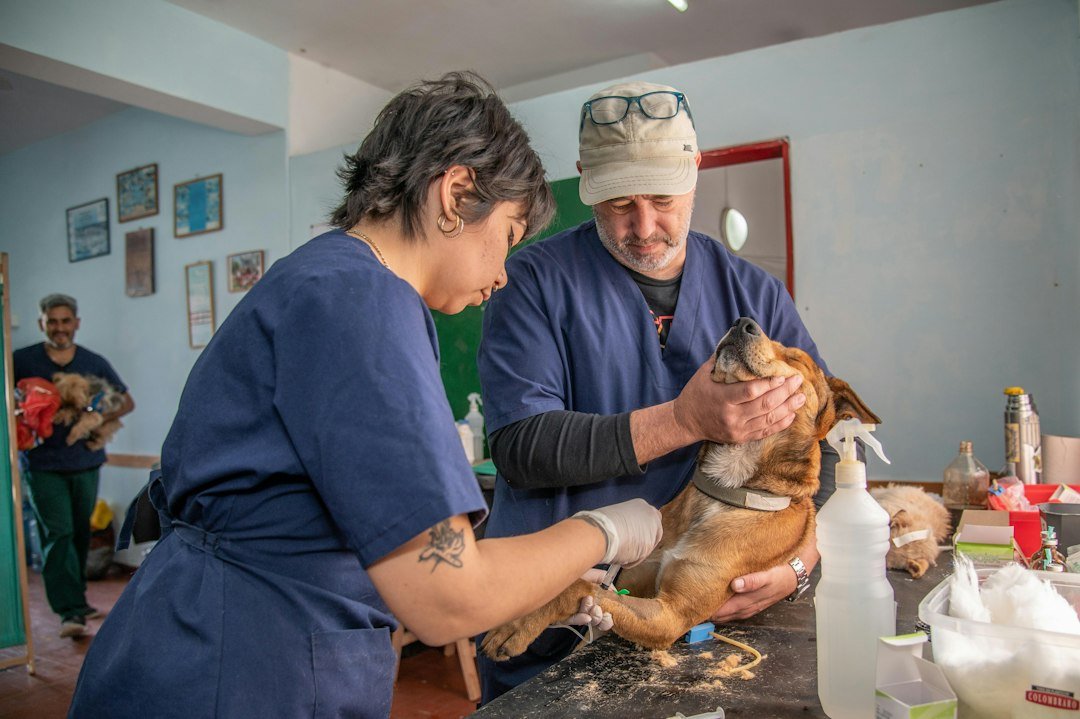
Immediate action: remove access to the product, keep the packaging, estimate the amount swallowed, note the time and contact a veterinarian or animal poison service. Do not wait for yellow gums, facial swelling or weakness before seeking advice.
What acetaminophen is
Acetaminophen is a human analgesic and fever-reducing medicine found in many tablets, capsules, liquids and combination products.
Why dogs can be poisoned
The body normally processes acetaminophen through several metabolic pathways. When those pathways are overwhelmed, reactive metabolites can damage liver cells and hemoglobin.
Why cats are even more sensitive
Cats have limited glucuronidation capacity, making acetaminophen especially dangerous to them. Dogs have more capacity but can still develop serious toxicity.
Why repeated dosing matters
Several smaller doses over time can create toxicity even when a single dose might not have caused obvious signs.
Why combination products are common
Acetaminophen is frequently combined with decongestants, cough suppressants, antihistamines, caffeine or opioids.
Why “Tylenol” is not enough information
Different products contain different strengths and ingredients. Bring the exact bottle or photograph.
Early signs in dogs
Vomiting, reduced appetite, lethargy, trembling, abdominal discomfort and weakness can occur.
Facial and paw swelling
Edema of the face or paws can occur with acetaminophen toxicity and should be taken seriously.
Methemoglobinemia
Toxic metabolites can oxidize hemoglobin, reducing its ability to carry oxygen effectively.
What abnormal gum color can look like
Gums may appear brown, muddy, blue or unusually dark when methemoglobinemia is significant.
Why breathing can become rapid
The body may compensate for impaired oxygen transport with faster breathing and heart rate.
Liver injury
Dogs can develop hepatocellular injury, jaundice, abnormal liver enzymes and in severe cases liver failure.
What jaundice looks like
Yellow discoloration may be visible in the gums, whites of the eyes or skin.
Why signs can evolve over time
Liver injury may become more obvious after the initial gastrointestinal signs.
Why a normal dog early is not proof of safety
Laboratory abnormalities can develop before dramatic outward signs.
What if the dog swallowed one tablet?
The answer depends on tablet strength and body weight. A standard tablet represents a much larger mg/kg exposure in a small dog.
What if extended-release Tylenol was swallowed?
Extended-release formulations can delay absorption and extend the risk window. Tell the veterinarian exactly which product was involved.
What if the dog swallowed a cold or flu product?
Additional ingredients such as pseudoephedrine or dextromethorphan may create cardiovascular or neurologic toxicity.
What if the dog swallowed an opioid-acetaminophen product?
Combination products can produce both opioid effects and acetaminophen toxicity, changing emergency treatment priorities.
Do not induce vomiting automatically
Whether emesis is appropriate depends on timing and the dog’s condition. Neurologic or respiratory compromise can increase aspiration risk.
Why early decontamination matters
When exposure is recent and the dog is stable, veterinary decontamination can reduce absorption.
Activated charcoal
Veterinarians may use activated charcoal in selected cases after emesis or when other factors make it appropriate.
N-acetylcysteine
N-acetylcysteine is an important antidotal treatment used in acetaminophen poisoning because it supports glutathione pathways and helps limit toxic metabolite injury.
Why owners should not dose N-acetylcysteine at home
Veterinary protocols depend on route, concentration, timing and patient condition. It is a treatment, not a household supplement strategy.
IV fluids
Supportive care may include intravenous fluids, anti-nausea treatment and monitoring for liver or blood complications.
Oxygen support
Dogs with significant methemoglobinemia may need oxygen and intensive monitoring.
Blood transfusion
Severe anemia or blood-oxygen problems may require transfusion support in selected cases.
Liver monitoring
Liver enzymes, bilirubin and clotting parameters may be checked and repeated over time.
Why clotting can be affected
Severe liver injury can impair production of clotting factors.
Why tear production may be checked
Acute keratoconjunctivitis sicca has been reported in some dogs after acetaminophen exposure.
What if the dog vomits?
Vomiting does not prove the drug was eliminated. Some may already have been absorbed.
What if the dog seems weak?
Weakness can reflect methemoglobinemia, anemia, liver injury or general systemic illness and deserves prompt care.
What if the gums turn brown or blue?
This is an emergency sign suggesting impaired oxygen transport.
What if the dog becomes yellow?
Jaundice suggests liver or blood-cell injury and requires immediate assessment.
Why human package directions do not apply to dogs
Acetaminophen is used intentionally in some veterinary contexts, but that does not make human self-dosing safe.
Why owners sometimes make this mistake
Acetaminophen is familiar and widely used in people, so it can seem gentler than NSAIDs. Canine dosing still requires veterinary judgment.
Why pain still needs treatment
If the dog is painful, ask the veterinarian for an appropriate canine analgesic plan rather than substituting a household medicine.
What information to collect
- product name;
- acetaminophen strength;
- all additional active ingredients;
- amount missing;
- time of exposure;
- dog’s weight;
- current medications;
- current symptoms.
Why liver disease matters
Pre-existing hepatic disease can reduce reserve and complicate treatment.
Why repeated exposure history matters
Tell the veterinarian if any doses were given over several days, even if each one seemed small.
Source context
The Merck Veterinary Manual review of human analgesic toxicoses describes acetaminophen-related liver injury and methemoglobinemia in dogs and explains why early decontamination, N-acetylcysteine and ongoing monitoring may be needed.
Related DogMedsHub guides
See Poisoning & Overdose, Human Medications Dangerous to Dogs, Pain Medicines and Wrong Medication.
How to reconstruct an acetaminophen exposure
Count the remaining tablets, check the original bottle quantity if known, and report the maximum plausible amount swallowed. For liquid products, estimate the missing volume and note the concentration.
Why tablet strength matters
Regular-strength, extra-strength and extended-release acetaminophen contain different amounts per unit. Never report only the number of tablets.
Why combination products deserve special attention
Acetaminophen is found in many cold, flu, migraine and prescription pain products. The second ingredient can create a completely different emergency.
Why opioid combinations are especially important
Products combined with codeine, hydrocodone or other opioids can cause sedation and respiratory depression in addition to acetaminophen injury.
Why decongestant combinations are especially important
Pseudoephedrine or phenylephrine can add agitation, hypertension and cardiovascular effects.
Why extended-release products change monitoring
Delayed absorption can extend the period during which blood concentrations rise and signs develop.
Why repeated doses can be overlooked
Owners may give what seems like a small amount several times before realizing the dog is becoming ill. Tell the veterinarian every dose and approximate time.
Why liver disease can change the margin of safety
A dog with existing hepatic compromise has less reserve to handle additional toxic injury.
Why fasting or malnutrition can matter
Poor nutritional status can affect glutathione reserves and general resilience during toxic exposure.
Why another liver-toxic medication matters
Concurrent anticonvulsants, chemotherapy agents or other hepatically active drugs belong in the history.
Why the gum color should be checked in good light
Methemoglobinemia can create brown or muddy mucous membranes that are easy to miss in dim rooms.
Why oxygen alone may not fully correct the problem
Methemoglobin cannot carry oxygen normally, so supplemental oxygen may be necessary but does not by itself reverse the abnormal hemoglobin.
Why heart rate may rise
The body attempts to compensate for impaired oxygen delivery by increasing circulation.
Why facial swelling can be mistaken for allergy
Acetaminophen poisoning can cause facial or paw edema. In the context of a known exposure, swelling should not be assumed to be an ordinary allergic reaction.
Why vomiting can worsen dehydration
Fluid loss can compound systemic illness and make oral treatment unreliable.
Why the antidote works best when started promptly
N-acetylcysteine helps restore glutathione-related detoxification pathways and is most useful when instituted before severe organ injury is established.
Why treatment may continue after the dog seems brighter
Liver damage can evolve over time, so serial blood tests may be required even after initial symptoms improve.
Why liver enzymes are not the whole story
Bilirubin, clotting times, glucose and clinical signs can provide additional information about hepatic function.
Why clotting tests matter
A failing liver may not produce clotting proteins normally, increasing bleeding risk.
Why blood smears may be examined
Oxidative injury can alter red blood cells. Microscopic evaluation can help characterize the problem.
Why tear testing can be considered
Some dogs develop acute dry-eye changes after acetaminophen exposure, so ocular signs should be reported.
Why dark urine matters
Changes in pigment or red blood cell breakdown can alter urine color. Report abnormal urine after exposure.
Why yellow urine alone is not diagnostic
Concentrated urine can look dark for many reasons; jaundice and laboratory testing provide better evidence of liver injury.
Why the first 24–48 hours matter
Early treatment addresses absorption and antidotal therapy, while later monitoring looks for liver and blood complications.
Why a dog can seem normal before worsening
The body may compensate initially, and hepatic injury may not be outwardly obvious until damage is more advanced.
Why cats and dogs should never share acetaminophen advice
Cats are far more sensitive, but that does not make canine exposure safe. Species-specific toxicology matters.
Why veterinary formulations should not be assumed from human products
Even when a veterinarian uses acetaminophen in a carefully selected canine patient, the prescribed dose and combination differ from unsupervised household use.
Why an owner should not “counteract” acetaminophen with another pain medicine
Adding an NSAID or steroid can create a second toxicity problem and complicate treatment.
Why food is not an antidote
Feeding does not neutralize acetaminophen or protect the liver from toxic metabolites.
Why milk is not an antidote
Milk does not bind or deactivate acetaminophen.
Why home supplements are not a substitute for N-acetylcysteine therapy
Veterinary treatment uses a defined protocol and monitoring. Supplements marketed for liver support do not replace antidotal care.
Why poison-control calculation can help
The toxicologist can account for the dog’s weight, product strength, formulation and repeated exposure history.
Why a case number should travel with the dog
If poison control is consulted before arrival, give the case number to the emergency hospital so recommendations can be coordinated.
Why follow-up testing matters after discharge
Liver values and clinical signs may need reassessment after the dog goes home.
Why appetite matters during recovery
Persistent anorexia can signal ongoing nausea or hepatic illness.
Why activity level matters
Continued weakness or lethargy after discharge should be reported rather than assumed to be medication after-effects.
Why prevention focuses on combination products too
Secure cold medicines, migraine products and prescription pain combinations—not only bottles labeled Tylenol.
Why children’s medication cabinets need pet-proofing
Flavoured liquids can smell appealing and may be stored low for convenience.
Why bags and pill organizers are common sources
Dogs can chew through plastic weekly organizers and purses containing several medicines at once.
The practical takeaway
Acetaminophen exposure is safest to manage as a time-sensitive toxicology problem, with early product identification, veterinary assessment and monitoring rather than home observation.
Why dogs may show liver signs before owners recognize them
Early hepatic injury can look nonspecific: reduced appetite, quiet behavior, vomiting or abdominal discomfort. Those signs are easy to attribute to “an upset stomach” unless the exposure history is known.
Why brown gums are different from pale gums
Pale gums suggest anemia or poor circulation, while muddy-brown discoloration can reflect methemoglobinemia. Both are abnormal and require prompt assessment after acetaminophen exposure.
Why pulse oximeters can be misleading
Standard pulse-oximetry readings may not fully reflect methemoglobin-related oxygen problems. Clinical examination and blood testing are more informative when abnormal hemoglobin is suspected.
Why blood gas or co-oximetry may be used
Specialized testing can help characterize oxygenation and abnormal hemoglobin in severe cases.
Why liver pain may be subtle
Dogs may simply resist being picked up, become restless or guard the abdomen rather than showing obvious pain.
Why swelling of the face or paws can progress
Edema can become more noticeable over time and may accompany systemic toxicity rather than a simple contact allergy.
Why treatment decisions depend on elapsed time
Decontamination is most useful early, while antidotal and supportive therapy remain important after absorption has occurred. That is another reason the time of ingestion should be recorded as accurately as possible.
Why acetaminophen concentration in liquid matters
Children’s liquids and adult liquids can use different strengths. The number of millilitres alone is not enough to calculate exposure.
Why suppositories still count as exposure
Dogs can chew or swallow suppositories from household packaging. The route intended for people does not make oral ingestion harmless.
Why gelcaps can be absorbed quickly
Liquid-filled capsules may release their contents rapidly once punctured or swallowed.
Why extended-release tablets deserve longer observation
Delayed-release properties can spread absorption over more time than ordinary tablets.
Why vomiting should not delay transport
Repeated vomiting can worsen dehydration and does not prove that the drug is gone.
Why diarrhea can occur
Gastrointestinal upset may accompany toxicity, but diarrhea by itself does not indicate how much liver or blood injury is present.
Why weakness can have several causes
It can reflect poor oxygen delivery, hepatic illness, dehydration or systemic toxicity. The veterinarian uses examination and bloodwork to distinguish them.
Why abdominal swelling is concerning
In severe liver disease, fluid accumulation or bleeding can contribute to abdominal enlargement and warrants urgent reassessment.
Why neurologic signs can appear in severe liver failure
Advanced hepatic dysfunction can affect the brain, causing disorientation, abnormal behavior or seizures.
Why home “liver detox” products can be harmful
Some supplements contain multiple ingredients and can delay antidotal treatment. Use only treatments recommended by the veterinary team.
Why acetaminophen should never be borrowed from another pet’s prescription
A veterinarian may use a drug in one patient under carefully selected conditions. That does not make the same product or dose appropriate for another dog.
Why a past safe dose does not prove current safety
Body weight, liver function, concurrent medicines and the product formulation can change over time.
Why obesity does not protect against toxicity
Dosing and toxicology are not simply proportional to visible body size, and obese dogs may have concurrent metabolic or liver disease.
Why puppies need fast assessment
Small body size can turn a single household tablet into a large mg/kg exposure.
Why senior dogs need fast assessment
Older dogs may have reduced hepatic reserve and take medications that interact with the exposure.
Why the veterinarian may ask about alcohol or xylitol in liquids
Human formulations can contain inactive ingredients that create additional toxicity beyond acetaminophen itself.
Why follow-up should include the eyes when indicated
If the dog develops squinting, redness or reduced tear production after exposure, ocular evaluation may be needed.
Why discharge medications should be given exactly as prescribed
Anti-nausea drugs, liver-supportive therapy or other treatments may be timed carefully. Do not add human pain medicines during recovery.
Why a second exposure during recovery can be more dangerous
The liver may still be recovering and have reduced reserve. Secure all household medicines before the dog returns home.
Why the medication cabinet should be audited after an incident
Remove loose pills, secure weekly organizers and separate cold/flu products from pet medicines to prevent recurrence.
Why all caregivers should know the rule
No human pain or fever medicine should be given to the dog unless the veterinarian has approved that exact product and dose.
Last reviewed: October 2026. Suspected acetaminophen ingestion should be assessed promptly by a veterinarian or animal poison service using the exact product, amount and dog.