
Aspirin can be used in dogs in selected veterinary situations, but an overdose—or prolonged unsupervised dosing—can cause serious gastrointestinal, blood-clotting, metabolic and neurologic problems. The fact that aspirin is familiar, inexpensive and sold without prescription does not make it a safe household pain medicine for dogs.
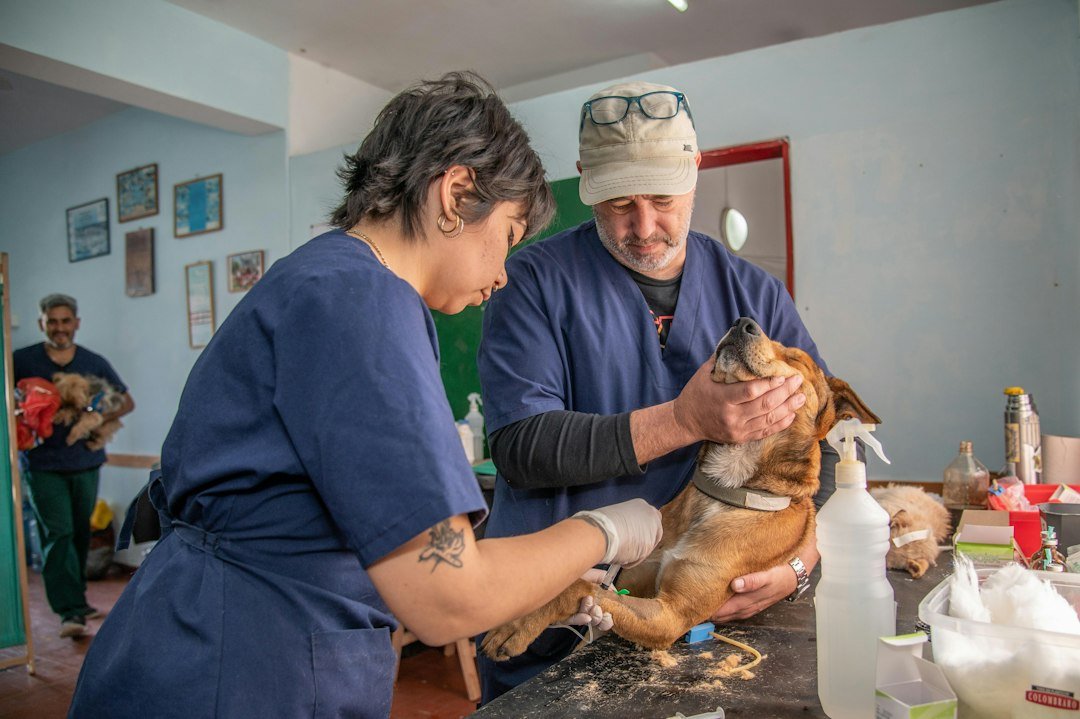
Immediate action: stop access to the product, keep the package, estimate the number and strength of tablets involved, note the time and contact a veterinarian or animal poison service. Do not give another NSAID, prednisone, ibuprofen or naproxen while waiting for advice.
What aspirin is
Aspirin, or acetylsalicylic acid, is a salicylate and one of the oldest NSAIDs. It reduces prostaglandin production and also affects platelet function.
Why aspirin is different from veterinary NSAIDs
Veterinary NSAIDs are selected and dosed specifically for dogs with canine labeling and monitoring guidance. Aspirin has a narrower practical role today and can complicate later use of other anti-inflammatory medicines.
Why aspirin poisoning happens
Exposure can occur when a dog steals human medication, when an owner gives too much for pain, when several caregivers dose independently, or when repeated daily use continues for too long.
Why repeated dosing matters
Aspirin can cause cumulative gastrointestinal injury, especially when doses are repeated or the dog is dehydrated, elderly or taking other medicines that affect the stomach.
Why one tablet may or may not be significant
Risk depends on the tablet strength and dog’s body weight. A single adult tablet represents a much larger mg/kg exposure in a toy breed than in a large dog.
Why enteric-coated aspirin still counts
Enteric coating can delay dissolution but does not remove the toxic potential. It can also complicate timing because absorption may be less predictable.
Why buffered aspirin is not automatically safe
Buffering may alter stomach irritation in some settings but does not remove salicylate toxicity or platelet effects.
Common signs of aspirin overdose
Vomiting, reduced appetite, lethargy, abdominal discomfort and rapid breathing can occur. More serious cases can involve blood in vomit or stool, weakness, high body temperature, tremors, seizures or coma.
Why vomiting may contain blood
Aspirin can damage the stomach lining and impair platelet function, increasing the risk of gastrointestinal bleeding.
Why black stool matters
Black, tarry stool can indicate digested blood from upper gastrointestinal bleeding and should be treated as a serious sign.
Why prolonged bleeding can occur
Aspirin irreversibly affects platelet cyclooxygenase, reducing platelet aggregation until new platelets are produced.
Why bruising may be noticed
Dogs may develop easier bruising or prolonged bleeding after minor trauma when platelet function is impaired.
Why surgery history matters
Aspirin can complicate planned surgery or dental procedures because of bleeding risk. Tell the veterinarian if aspirin was given recently.
Why respiration can become abnormal
Salicylates can disturb acid-base balance and stimulate respiration, causing rapid or deep breathing.
Why fever can occur
High salicylate exposure can uncouple oxidative phosphorylation and increase metabolic heat production.
Why metabolic acidosis matters
Severe poisoning can progress from respiratory alkalosis to metabolic acidosis, making blood-gas and electrolyte monitoring useful.
Why seizures can occur
Neurologic toxicity can develop in severe overdose, especially as acid-base disturbances and systemic illness worsen.
Why kidney injury can occur
Like other NSAIDs, aspirin can reduce protective prostaglandins that help maintain renal blood flow, particularly in dehydrated or vulnerable dogs.
Why dehydration increases risk
Vomiting and poor intake reduce circulating volume and make the kidneys more susceptible to NSAID-related injury.
Why kidney disease matters
Pre-existing renal disease reduces reserve and can make a previously tolerated dose unsafe.
Why liver injury can occur
Merck describes liver necrosis among possible effects of significant aspirin toxicosis.
Why senior dogs need extra caution
Older dogs are more likely to have kidney disease, GI disease, anemia or multiple concurrent prescriptions.
Why puppies can be vulnerable
Small body size means a single human tablet can produce a high exposure per kilogram.
Aspirin and carprofen
Do not combine aspirin with carprofen unless a veterinarian has created a specific transition plan. Overlap increases GI and renal risk.
Aspirin and meloxicam
The same caution applies. Recent aspirin use should be disclosed before meloxicam is started.
Aspirin and firocoxib
Combining NSAIDs can magnify adverse effects without reliably improving pain control.
Aspirin and prednisone
Concurrent corticosteroids can markedly increase gastrointestinal ulceration and bleeding risk.
Aspirin and anticoagulants
Blood-thinning medicines can compound bleeding risk. The veterinarian needs the complete medication list.
Aspirin and kidney medicines
Dogs receiving ACE inhibitors or diuretics may have additional renal perfusion concerns during NSAID exposure.
Why human package directions do not apply
Human adult or pediatric dosing instructions are not canine prescriptions. Species metabolism, body weight and treatment goals differ.
Why aspirin should not be used “just for tonight” without advice
Even one dose can complicate the next day’s veterinary NSAID plan because a washout period may be needed.
Why a limp deserves diagnosis
Pain may come from ligament injury, fracture, spinal disease, arthritis or another problem that aspirin will not correct.
What if the dog already swallowed aspirin accidentally?
Call with the product strength, amount, time and dog’s weight. The veterinarian will determine whether the exposure is low risk or requires decontamination and monitoring.
What if the exposure was recent?
Veterinary professionals may consider inducing vomiting when the dog is neurologically stable and the ingestion is recent enough for decontamination to be useful.
Why vomiting should not be induced automatically
Dogs that are sedated, seizing, weak or otherwise unable to protect the airway can aspirate.
Activated charcoal
Activated charcoal may be used in selected salicylate exposures to reduce further absorption.
Why repeated decontamination can sometimes be considered
Treatment depends on the formulation, amount and toxicologist’s assessment. Repeated charcoal can itself cause complications and should not be attempted at home.
IV fluids
Fluids may support hydration, kidney perfusion and correction of acid-base or electrolyte abnormalities.
Why urine pH can matter
Renal salicylate elimination increases in more alkaline urine, and hospital treatment may account for this in severe poisoning.
Why blood-gas testing can matter
Acid-base disturbances are part of salicylate toxicity and may guide treatment in severe cases.
Why electrolytes matter
Vomiting, altered acid-base balance and fluid therapy can all affect electrolytes.
Why packed cell volume matters
Gastrointestinal bleeding can reduce red blood cell mass over time.
Why platelet function matters
Prolonged bleeding can persist even after the drug has been absorbed because aspirin’s platelet effect is irreversible for the life of affected platelets.
Why stool color should be monitored
Dark or tarry stool after exposure may signal GI bleeding even if vomiting has stopped.
Why appetite matters
Persistent anorexia can reflect nausea, ulceration or systemic illness.
Why abdominal pain matters
Guarding, restlessness or reluctance to lie down can indicate gastrointestinal injury.
Why high temperature is concerning
Hyperthermia can occur in serious salicylate toxicity and increases metabolic stress.
Why collapse is an emergency
Collapse can reflect bleeding, shock, acid-base disturbance or severe systemic toxicity.
Why a normal dog early is not proof of safety
GI injury, acid-base changes and renal effects may evolve over time.
Why repeated home dosing is particularly risky
Owners may give aspirin for several days because the dog appears to improve, while gastrointestinal injury progresses silently.
Why buffered or “dog aspirin” labels can create false reassurance
Products marketed for pets still contain aspirin and retain its pharmacologic effects and interaction risks.
Why the veterinarian may prefer another analgesic
Modern veterinary pain care offers NSAIDs and non-NSAID options with more predictable canine dosing and monitoring.
Why aspirin may still be used in selected patients
Veterinarians sometimes choose aspirin for specific antiplatelet or other purposes, but that use is distinct from unsupervised pain treatment.
Why the reason for use matters
An antiplatelet dose and an anti-inflammatory dose are not interchangeable goals.
What information to collect
- product name and strength;
- regular, buffered or enteric-coated formulation;
- maximum number missing;
- time of ingestion;
- dog’s current weight;
- current NSAIDs, steroids or anticoagulants;
- kidney, liver or GI history;
- current symptoms.
Why package photos help
Photos preserve formulation details and combination ingredients when the bottle cannot travel with the dog.
Why follow-up testing may be recommended
Depending on exposure, the veterinarian may recheck bloodwork or monitor for GI bleeding after discharge.
Why prevention should include household communication
All caregivers should know that human aspirin is not a default dog pain medication and that recent use must be disclosed before another NSAID is given.
Why pill organizers are risky
Dogs can chew through weekly pill boxes containing several aspirin tablets and other medicines.
Why handbags and bedside tables matter
Human aspirin is often stored in easy-to-reach locations. Secure storage prevents accidental access.
Source context
The Merck Veterinary Manual review of human analgesic toxicoses describes aspirin-related GI ulceration, prolonged bleeding, acid-base disturbances, hyperthermia, seizures and coma in animals.
Related DogMedsHub guides
See Poisoning & Overdose, Pain Medicines, Ibuprofen Poisoning, Naproxen Poisoning and Human Medications Dangerous to Dogs.
How to reconstruct an aspirin exposure accurately
Start with the bottle or blister pack and count what remains. Check whether any family member used tablets earlier in the day, then report the highest number the dog could plausibly have swallowed rather than the lowest estimate.
Why the formulation changes the timeline
Plain aspirin is absorbed relatively quickly, while enteric-coated products can dissolve later and prolong uncertainty about when peak exposure occurs.
Why crushed or chewed tablets may absorb faster
Chewing removes some of the delay created by tablet coatings and increases exposed surface area.
Why cream and topical salicylates also matter
Some pain-relief creams contain salicylates. A dog that repeatedly licks treated skin can be exposed even without swallowing tablets.
Why wintergreen products deserve attention
Methyl salicylate is related to aspirin pharmacologically and can be highly concentrated in some topical products. Exact ingredient identification matters.
Why combination cold products complicate assessment
Aspirin may appear with caffeine, antihistamines or other ingredients. Each active component can add its own toxicity.
Why caffeine changes the picture
Caffeine can cause restlessness, rapid heart rate, tremors and seizures, which can overlap with severe salicylate toxicity.
Why aspirin exposure can be missed in powders
Some headache or cold remedies are packaged as powders rather than tablets. The product label is more reliable than appearance.
Why gastric ulceration can appear before obvious bleeding
Reduced appetite, drooling, nausea or abdominal discomfort may precede black stool or blood in vomit.
Why bleeding risk lasts beyond the last dose
Aspirin’s platelet effect persists for the lifespan of affected platelets, so coagulation-related risk can outlast the immediate drug exposure.
Why a dog may bruise more easily
Small blood vessels damaged during normal activity may leak more when platelet function is impaired.
Why gum bleeding matters
Unexpected oral bleeding, nosebleeds or prolonged bleeding from a minor wound should be reported after significant aspirin exposure.
Why surgery or dental cleaning may need postponement
The veterinarian may delay an elective procedure if recent aspirin exposure creates additional bleeding risk.
Why acid-base disturbances can cause unusual breathing
Rapid or deep breathing may reflect salicylate-driven respiratory stimulation, metabolic acidosis, pain or fever.
Why blood gas testing can change treatment
Severe salicylate poisoning can produce complex acid-base abnormalities that are not visible from breathing pattern alone.
Why bicarbonate may be used in severe cases
Veterinary toxicologists may use alkalinization strategies to support salicylate elimination and correct acidosis in selected hospitalized patients.
Why urine pH can be monitored
Alkaline urine can increase renal elimination of salicylates, but this must be managed carefully alongside electrolytes and hydration.
Why potassium matters during alkalinization
Low potassium can make urinary alkalinization harder to achieve and can create its own cardiac and neuromuscular problems.
Why glucose may be monitored
Severe systemic toxicity can alter energy metabolism, and neurologic signs should not be attributed to one cause without laboratory assessment.
Why temperature monitoring matters
Hyperthermia can worsen dehydration and metabolic stress. Very high temperature is not an expected harmless effect.
Why neurologic deterioration changes decontamination decisions
Once a dog becomes weak, disoriented or seizing, airway protection takes priority and vomiting becomes unsafe.
Why gastric lavage is a hospital procedure
In selected severe ingestions, the veterinary team may consider gastric decontamination under controlled conditions. This is not something to attempt at home.
Why repeated charcoal can cause complications
Dehydration, aspiration and electrolyte disturbances are possible, particularly in a vomiting dog. Toxicology protocols balance these risks against potential benefit.
Why kidney values may be repeated
NSAID-related renal injury can evolve after initial bloodwork, especially when the dog was dehydrated or already had kidney disease.
Why urine testing can add information
Urine concentration and output help assess renal function and hydration during significant exposure.
Why a dog with heart disease needs careful fluid therapy
IV fluids can support kidney perfusion but must be balanced against the risk of volume overload in cardiac patients.
Why liver values may be checked
Severe salicylate exposure can affect the liver, and dogs with pre-existing hepatic disease may warrant closer monitoring.
Why GI protectants do not replace systemic care
Acid suppression and mucosal protectants can support the stomach but do not correct acid-base disturbances, bleeding or renal injury.
Why another pain medicine should not be added during recovery
Adding an NSAID or steroid before the veterinarian clears the dog can compound gastrointestinal and kidney risk.
Why a dog discharged home still needs observation
Watch appetite, vomiting, stool color, thirst, urination, energy and any evidence of bruising or bleeding.
Why black stool after discharge is urgent
Melena may signal ongoing gastrointestinal bleeding even if the dog appeared stable at the hospital.
Why reduced urination is urgent
Markedly decreased urine output can indicate serious kidney dysfunction.
Why repeat bloodwork may be scheduled
The exposure estimate, symptoms and initial laboratory findings determine whether rechecks are needed after discharge.
Why a pain plan should be revisited after an aspirin incident
If aspirin was given intentionally for limping or arthritis, ask the veterinarian for a safer long-term strategy rather than simply stopping without treating the underlying pain.
Why everyone in the household needs the same plan
Medication errors often occur when one caregiver gives aspirin without knowing another person already administered a dose.
Why pet sitters should be told explicitly
Do not assume a sitter knows that human pain medicines are unsuitable. Leave written instructions and the veterinarian’s contact information.
Why the safest prevention rule is simple
Human aspirin stays in the human medicine cabinet; canine pain medicines stay in their labeled veterinary containers.
Last reviewed: October 2026. Suspected aspirin overdose or repeated unsupervised aspirin use should be discussed promptly with a veterinarian or animal poison service.