
Vitamin D overdose in dogs can cause dangerous elevations in calcium and phosphorus, leading to kidney injury and mineralization of soft tissues. The source may be a vitamin supplement, prescription vitamin D analogue, fortified product or cholecalciferol rodenticide. Dogs can look normal for hours before clinically important laboratory changes appear.
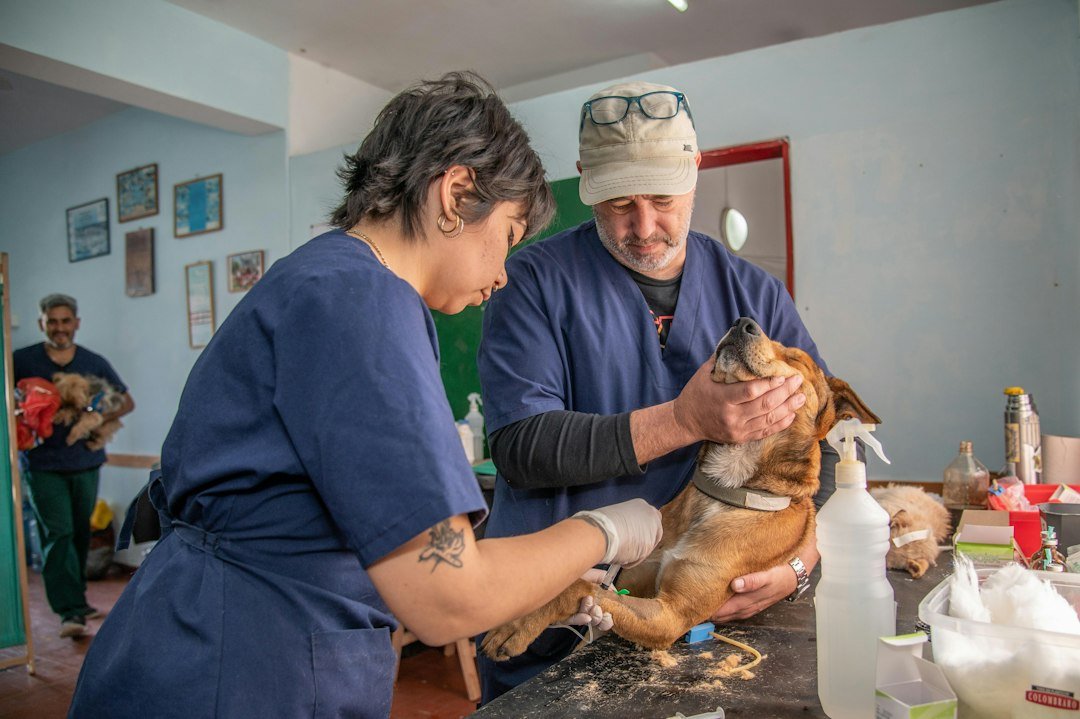
Immediate action: secure the product, keep the packaging, estimate the amount missing, note the time and contact a veterinarian or animal poison service promptly. Do not wait for vomiting, excessive thirst or reduced appetite before seeking advice.
What vitamin D does normally
Vitamin D helps regulate calcium and phosphorus balance. In normal amounts, it is essential. In excessive amounts, those same pathways can become harmful.
Why excess vitamin D is dangerous
Too much vitamin D increases calcium and phosphorus absorption and can mobilize calcium from bone, producing sustained hypercalcemia and hyperphosphatemia.
Why calcium and phosphorus together matter
When both rise significantly, mineral can deposit in soft tissues including the kidneys, heart and gastrointestinal tract.
Why kidney injury is a major concern
Mineralization and dehydration can damage the kidneys and reduce their ability to concentrate urine and remove waste.
Why signs can be delayed
Vitamin D must be metabolized before its full effects appear. Merck notes that clinically important changes often develop within 12–48 hours and can evolve over several days.
Common sources of vitamin D overdose
Human vitamin D supplements, multivitamins, prescription calcitriol, psoriasis creams containing vitamin D analogues, and cholecalciferol rodenticides are important sources.
Why rodenticide exposure is especially serious
Cholecalciferol bait can contain enough vitamin D to cause severe toxicity after a relatively small ingestion.
Why supplements can be underestimated
High-potency human vitamin D capsules may contain tens of thousands of international units per dose.
Why gummies can add extra risks
Chewable supplements may also contain xylitol, iron or other ingredients that create separate toxicities.
Why multivitamins require the full label
The dog may have been exposed to vitamin D plus iron, vitamin A or other concentrated nutrients.
Why psoriasis creams matter
Topical products containing calcipotriene or calcitriol can be highly potent if a dog licks treated skin or chews the tube.
Why product identity matters
Cholecalciferol, calcitriol and calcipotriene are not interchangeable substances, and treatment decisions may differ.
Why dog weight matters
The same capsule produces a much higher exposure per kilogram in a small dog.
Why concentration is often confusing
Vitamin D products may be labeled in IU, micrograms or milligrams. Bring the exact package instead of attempting your own conversion.
Why one high-dose capsule can matter
Prescription or “mega-dose” supplements can contain very large amounts intended for infrequent human use.
Why repeated smaller doses can also matter
Daily access to supplements can produce cumulative exposure before the owner realizes the bottle is being emptied.
Early signs of vitamin D toxicity
Vomiting, reduced appetite, lethargy, weakness and dehydration can occur.
Why excessive thirst develops
Hypercalcemia and kidney injury can increase thirst and urination.
Why increased urination matters
Polyuria can reflect impaired kidney concentrating ability and can worsen dehydration.
Why constipation can occur
Hypercalcemia can affect gastrointestinal motility, although vomiting is also common.
Why weakness can develop
Electrolyte abnormalities, dehydration, hypercalcemia and kidney dysfunction can all contribute.
Why abnormal heart rhythms can occur
Calcium disturbances can affect cardiac electrical activity in severe cases.
Why soft-tissue mineralization matters
Calcium-phosphorus deposition can injure organs and prolong recovery even after serum values begin to improve.
Why the kidneys are especially vulnerable
Renal tissue is a common site of mineralization and can sustain lasting damage.
Why the stomach can be affected
Mineral deposition and systemic illness can contribute to GI signs.
Why the heart can be affected
Soft-tissue mineralization can involve cardiac structures and blood vessels in severe poisoning.
Why the dog may look normal at first
Calcium and phosphorus elevations can lag behind the initial ingestion.
Why early veterinary assessment is valuable
Decontamination and baseline bloodwork are most useful before severe hypercalcemia and kidney injury develop.
What if the exposure was recent?
Veterinary professionals may consider induced vomiting when the dog is stable and the ingestion occurred recently enough.
Why vomiting should not be induced blindly
Neurologic compromise, aspiration risk and the product formulation can change whether emesis is appropriate.
Activated charcoal
Activated charcoal may be used in selected vitamin D exposures to reduce further absorption.
Why cholestyramine may be used
Cholestyramine binds bile acids and can reduce enterohepatic recycling of fat-soluble vitamin D metabolites.
Why formulation matters when using cholestyramine
Merck notes that some human cholestyramine products contain xylitol, so veterinarians must select an appropriate formulation for dogs.
Why baseline calcium is checked
An initial value provides a comparison point for later changes.
Why phosphorus is checked
Vitamin D toxicity often raises both calcium and phosphorus, and their combination contributes to soft-tissue mineralization.
Why BUN and creatinine are checked
These values help assess kidney function and whether renal injury is developing.
Why ionized calcium may be useful
Ionized calcium reflects the biologically active fraction and may be monitored in significant cases.
Why repeated bloodwork is necessary
Normal initial values do not guarantee that hypercalcemia will not develop later.
Why hospitalization may last several days
Calcium and phosphorus can remain abnormal because vitamin D metabolites have long biological half-lives.
Why treatment can take weeks
Merck notes that stabilization may require prolonged monitoring and adjustment because calcifediol can persist for weeks.
IV fluids
Saline diuresis may be used to support kidney perfusion and promote calcium excretion.
Why furosemide may be used
Loop diuretics can increase urinary calcium excretion in selected hospitalized patients after hydration is established.
Why corticosteroids may be used
Glucocorticoids can help reduce calcium absorption and are part of some treatment protocols, though timing and patient status matter.
Why bisphosphonates may be used
Drugs such as pamidronate can reduce bone resorption and may help control persistent hypercalcemia.
Why phosphate binders may be used
High phosphorus contributes to mineralization risk, so phosphate control can be part of therapy.
Why a low-calcium diet may be recommended
Reducing dietary calcium load can support treatment while hypercalcemia is being managed.
Why a low-phosphorus diet may also matter
Dietary phosphorus restriction can help reduce the calcium-phosphorus product during recovery.
Why kidney function may worsen after the dog seems brighter
Clinical improvement can precede laboratory recovery, and mineralization can continue to affect renal function.
Why urine concentration may be monitored
Loss of concentrating ability can reflect renal tubular injury or hypercalcemia.
Why blood pressure may be checked
Kidney injury and electrolyte abnormalities can influence blood pressure.
Why ECG monitoring may be used
Severe calcium disturbances can affect cardiac rhythm.
Why appetite matters during recovery
Persistent anorexia can indicate ongoing hypercalcemia, kidney injury or nausea.
Why vomiting during recovery matters
Recurrent vomiting worsens dehydration and can signal persistent systemic illness.
Why excessive thirst after discharge matters
Continued polydipsia can reflect unresolved hypercalcemia or kidney dysfunction.
Why reduced urination is urgent
Markedly decreased urine output can indicate severe acute kidney injury.
Why vitamin D rodenticide is different from anticoagulant rat poison
Cholecalciferol bait causes hypercalcemia and mineralization rather than the bleeding syndrome associated with anticoagulant rodenticides.
Why the bait package must be identified
Rodenticide brands can use different active ingredients. Color or shape alone is not reliable.
Why relay poisoning is not the usual household scenario
Dogs are most commonly exposed by eating the bait itself or ingesting high-potency supplements, not by routine contact with treated areas.
Why psoriasis medication deserves special storage
Topical vitamin D analogues can be highly potent and should be kept where pets cannot lick tubes or treated skin.
Why family members need to know about treated skin
A dog that habitually licks hands or legs can be exposed to topical medication unless the area is protected.
Why high-dose human supplements should never be stored with dog treats
Softgels and gummies may smell or taste appealing and can be swallowed quickly.
Why pill organizers are risky
They may contain several days of concentrated vitamins and prescription medicines.
Why bags and bedside tables matter
Supplements are often carried in handbags or kept near beds, where dogs can access them.
What information to collect
- exact product and active form of vitamin D;
- IU, micrograms or milligrams per unit;
- maximum amount missing;
- time of exposure;
- dog’s weight;
- other active ingredients;
- current symptoms;
- known kidney disease.
Why package photos are useful
Photos help the toxicologist interpret concentration, formulation and combination ingredients quickly.
Why follow-up can continue for weeks
Long-lived vitamin D metabolites and kidney injury can require repeated calcium, phosphorus and renal testing after discharge.
Why the prognosis depends on timing
Dogs treated before severe hypercalcemia and renal injury develop generally have a better chance of recovery than dogs presenting late with established mineralization.
Source context
The Merck Veterinary Manual review of cholecalciferol poisoning describes delayed hypercalcemia, hyperphosphatemia, kidney injury, soft-tissue mineralization and the need for prolonged monitoring and treatment.
Related DogMedsHub guides
See Poisoning & Overdose, Human Medications Dangerous to Dogs, Xylitol Poisoning and Storing Dog Medications.
How to reconstruct a vitamin D exposure
Count missing capsules, softgels, gummies or bait blocks and identify the exact strength. If the product is a cream, estimate how much is missing from the tube and whether the dog licked treated skin.
Why units can cause dangerous confusion
Vitamin D may be labeled in IU, micrograms or milligrams. Those units are not interchangeable, and high-potency supplements can contain far more than ordinary multivitamins.
Why prescription mega-dose vitamin D is different
Some human regimens use very high-dose capsules taken weekly or less often. A single capsule can represent a major canine exposure.
Why softgels are appealing to dogs
Gelatin and oil-based contents can smell like food, making bottles attractive if left within reach.
Why vitamin D gummies can create multi-toxin exposures
They may also contain xylitol, iron or other vitamins. The veterinarian needs the entire ingredient panel.
Why calcium supplements with vitamin D matter
Some products combine calcium and vitamin D, potentially adding an additional calcium load to a poisoning that already raises blood calcium.
Why vitamin A can complicate multivitamin ingestion
Large multivitamin exposures can involve several fat-soluble vitamins, not just vitamin D.
Why rodenticide bait amount is hard to estimate
Dogs can crumble or scatter bait while eating it. Report the number of blocks or grams missing if known.
Why rodenticide brand name alone is not enough
Manufacturers may sell products with different active ingredients under related brand families. Identify the actual active ingredient.
Why cholecalciferol bait differs from bromethalin or anticoagulant bait
Each causes a different poisoning syndrome and requires a different treatment plan.
Why psoriasis creams deserve urgent attention
Calcipotriene and related vitamin D analogues can be potent in very small amounts. A chewed tube may expose the dog to concentrated medication plus packaging.
Why treated skin can expose a dog repeatedly
Dogs that lick an owner’s hands, legs or face may receive ongoing small doses unless the area is covered and the product is stored securely.
Why kidney mineralization can become permanent
Once significant soft-tissue mineralization occurs, renal damage may persist even after serum calcium returns toward normal.
Why the calcium-phosphorus product matters
High concentrations of both minerals increase the likelihood that calcium-phosphate deposits form in tissues.
Why phosphorus can rise before owners notice symptoms
Laboratory changes may precede obvious clinical deterioration, which is why early blood testing matters.
Why calcifediol has a long half-life
This vitamin D metabolite can persist for weeks, making prolonged treatment and repeated monitoring necessary in serious cases.
Why one normal calcium result is not enough
Hypercalcemia can develop after the first blood sample, especially when the exposure was recent.
Why ionized calcium gives different information from total calcium
Ionized calcium is the biologically active fraction and can help characterize the severity of hypercalcemia.
Why phosphorus should be trended with calcium
Both values influence mineralization risk and treatment decisions.
Why kidney values may lag behind mineral changes
Renal injury can develop after calcium and phosphorus have already started rising.
Why urine specific gravity matters
A dog losing the ability to concentrate urine may show early renal effects before severe azotemia develops.
Why blood pressure matters in kidney injury
Renal disease can alter blood-pressure regulation, and treatment choices may need adjustment in hypertensive dogs.
Why ECG monitoring may be useful
Marked calcium abnormalities can influence cardiac conduction and rhythm.
Why saline diuresis is used
Appropriate IV fluids support kidney perfusion and urinary calcium excretion while correcting dehydration.
Why furosemide is not a home treatment
Loop diuretics can worsen dehydration if given before adequate fluid replacement and require electrolyte monitoring.
Why thiazide diuretics are generally avoided
They can increase calcium retention and are not used the same way as loop diuretics in hypercalcemia management.
Why corticosteroids may not be started immediately in every case
Timing depends on the diagnostic picture because steroids can complicate later evaluation of certain causes of hypercalcemia.
Why bisphosphonates can provide longer-lasting calcium control
They reduce bone resorption and can be useful when hypercalcemia is persistent or severe.
Why pamidronate is given under veterinary supervision
Dosing, kidney function and infusion protocols matter, particularly in a patient already at risk for renal injury.
Why cholestyramine can be useful beyond the first hours
By interrupting bile-acid recycling, it can reduce reabsorption of fat-soluble vitamin D metabolites after initial decontamination.
Why a xylitol-free cholestyramine formulation matters
Merck specifically notes that some human products contain xylitol, which would introduce a second poisoning risk in dogs.
Why low-calcium food is only one part of treatment
Diet can reduce further calcium intake but cannot reverse existing hypercalcemia or kidney injury by itself.
Why dairy should generally be avoided during hypercalcemia management
Milk, cheese and high-calcium treats can undermine a low-calcium plan recommended by the veterinary team.
Why supplements should be stopped unless specifically prescribed
Calcium, vitamin D and multivitamin supplements can worsen the problem or complicate monitoring.
Why appetite changes can be an early clue
A dog that stops eating before obvious thirst or vomiting may already be developing clinically important hypercalcemia.
Why excessive thirst can continue during recovery
Renal tubular effects can persist after serum calcium begins to improve.
Why dehydration can create a vicious cycle
Hypercalcemia causes increased urination, which causes dehydration, which can further reduce kidney perfusion.
Why constipation can appear
Elevated calcium can reduce smooth-muscle activity and slow gastrointestinal transit.
Why weakness can be profound
Hypercalcemia affects neuromuscular function in addition to causing dehydration and renal illness.
Why soft-tissue mineralization can affect blood vessels
Mineral deposition is not limited to kidneys; vascular and cardiac tissues can also be affected in severe disease.
Why recovery can be slow
The long persistence of vitamin D metabolites means values may need repeated adjustment and monitoring over days to weeks.
Why discharge does not mean the problem is finished
Owners may need to return for repeated calcium, phosphorus and kidney tests even after the dog is eating and acting normally.
Why at-home observation should include water and urination
Track drinking, urine frequency, appetite, vomiting, stool and energy after discharge.
Why new vomiting after discharge matters
It can signal persistent hypercalcemia, worsening kidney function or medication side effects and should be reported.
Why reduced urine output is an emergency
Oliguria or anuria can indicate advanced acute kidney injury.
Why dialysis may be discussed in severe renal failure
Specialty centers may consider renal replacement therapy when kidney injury is life-threatening and unresponsive to standard care.
Why supplement cabinets need pet-proofing
High-dose vitamin D is often stored with other vitamins in easy-to-open bottles. Keep the entire supplement collection in a closed cabinet.
Why weekly pill organizers are risky
They can contain several days of concentrated vitamins and prescription medicines that a dog can access at once.
Why purses and travel bags matter
People often carry supplements in small containers that are easy for dogs to chew.
Why rodenticide should never be placed where pets can reach it
Bait stations reduce access but do not replace careful placement and household awareness.
Why every exposure should identify the active ingredient first
Treatment for cholecalciferol, bromethalin and anticoagulant rodenticides is different. The package determines the toxicology pathway.
The practical takeaway
Vitamin D poisoning is dangerous because the dog can look normal while calcium and phosphorus are beginning to rise. Early identification and serial monitoring are more valuable than waiting for obvious kidney signs.
Last reviewed: October 2026. Suspected vitamin D overdose or cholecalciferol rodenticide exposure should be discussed promptly with a veterinarian or animal poison service.