
“Bacterial infection” in a dog is not one diagnosis and does not automatically mean the dog needs the strongest antibiotic available. Skin infections, urinary infections, respiratory infections, wound infections, dental infections and bloodstream infections involve different organisms, drug penetration, treatment durations and risks. Good antibiotic use starts with identifying the site and likely organism, then choosing the narrowest effective treatment when possible.
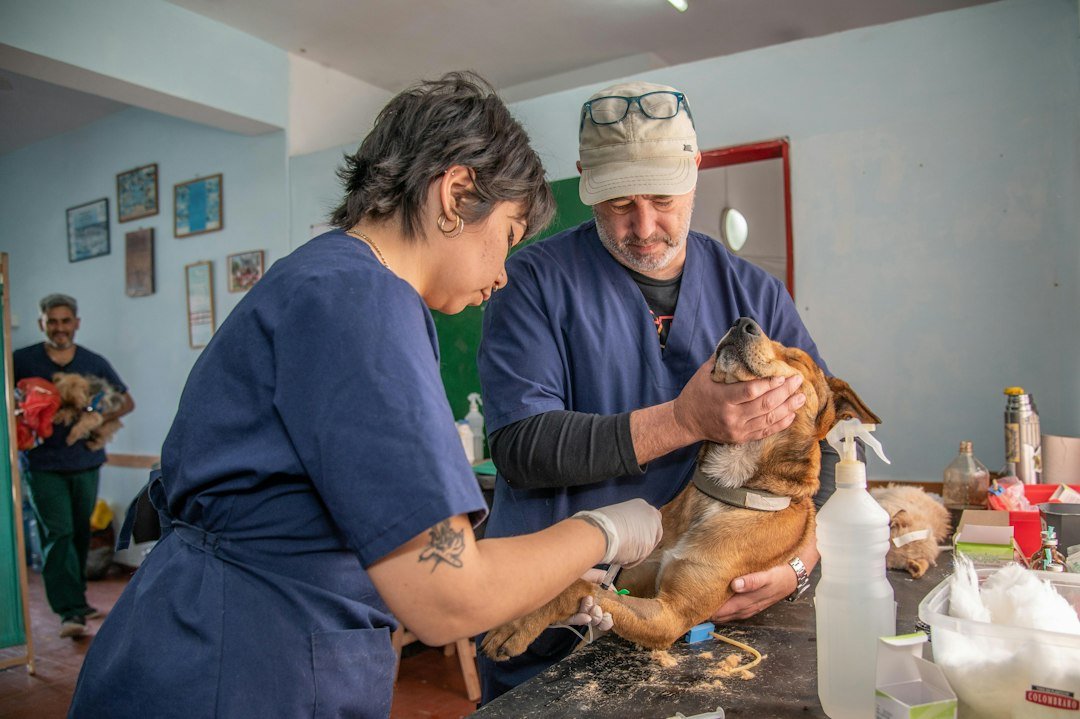
This guide explains how veterinarians decide whether antibiotics are needed, when culture matters, why amoxicillin, cephalexin, doxycycline, clindamycin and metronidazole are not interchangeable, how resistance develops, and what owners should monitor during treatment.
What a bacterial infection is
A bacterial infection occurs when bacteria invade or multiply in tissue and cause inflammation or systemic illness.
Why bacteria on a test do not always mean infection
Some body sites normally contain bacteria. Clinical signs and sample quality determine whether a result represents true infection or contamination.
Why site matters
An antibiotic that reaches high concentrations in urine may not be ideal for a deep bone infection, and a drug effective for skin bacteria may not cover respiratory pathogens.
Why severity matters
A superficial skin infection and septic shock require very different urgency, diagnostics and treatment intensity.
Common bacterial infection sites
Skin, ears, urinary tract, lungs, mouth, wounds, uterus, prostate, bones and bloodstream are common sites.
Skin infections
Superficial bacterial pyoderma often occurs secondary to allergy, parasites or endocrine disease.
Why the underlying skin disease matters
Antibiotics may clear the current infection, but recurrence is likely if the allergy or other trigger remains uncontrolled.
Urinary tract infections
UTIs can cause frequent urination, straining, blood in urine or accidents, but some dogs have few obvious signs.
Why urine culture is valuable
A properly collected sample can identify the organism and show which antibiotics are likely to work.
Why free-catch urine can be contaminated
Bacteria from skin or genital surfaces can enter the sample and complicate interpretation.
Respiratory infections
Bacterial pneumonia can cause cough, fever, lethargy and breathing difficulty and may require imaging, airway sampling and hospital care.
Why every cough does not need antibiotics
Many canine respiratory diseases are viral, inflammatory or self-limiting rather than bacterial.
Dental infections
Periodontal infection is treated primarily by dental cleaning, extraction and source control rather than relying indefinitely on antibiotics.
Abscesses
Abscesses often require drainage or surgical treatment in addition to antimicrobials.
Why source control matters
Antibiotics cannot reliably sterilize a closed abscess, infected foreign body or necrotic tissue without addressing the physical source.
Wound infections
Bite wounds and contaminated trauma may involve mixed bacteria and require cleaning, drainage and sometimes culture.
Bone and joint infections
Osteomyelitis or septic arthritis often requires prolonged treatment and careful drug selection based on tissue penetration and culture.
Sepsis
Systemic bacterial infection can cause fever or low temperature, fast heart rate, low blood pressure, organ dysfunction and shock.
Why sepsis is an emergency
Rapid diagnostics, IV antibiotics, fluids and supportive care may be needed before final culture results are available.
How veterinarians decide whether antibiotics are needed
The decision uses examination, cytology, urinalysis, imaging, bloodwork and culture depending on the infection site.
Why cytology can guide skin treatment
Microscopic examination can quickly show cocci, rods, yeast and inflammatory cells.
Why culture and susceptibility testing matter
Culture identifies bacteria while susceptibility testing shows which antibiotics inhibit that isolate in the laboratory.
When culture is especially important
Recurrent infection, previous antibiotic exposure, rod-shaped bacteria, deep infection, treatment failure and serious systemic disease increase the value of culture.
Why “stronger antibiotic” is the wrong concept
The best antibiotic is the one that reaches the infection site, covers the organism and has an acceptable safety profile—not the broadest drug available.
Amoxicillin
Amoxicillin is a beta-lactam antibiotic used for susceptible infections. See Amoxicillin for Dogs.
Amoxicillin-clavulanate
Adding clavulanate extends activity against some beta-lactamase–producing bacteria, but it does not make the drug universally appropriate.
Cephalexin
Cephalexin is commonly used for susceptible skin and soft-tissue infections. See Cephalexin for Dogs.
Doxycycline
Doxycycline is used for several vector-borne and respiratory infections and has anti-inflammatory properties. See Doxycycline for Dogs.
Clindamycin
Clindamycin is useful against selected anaerobic and gram-positive infections and may be chosen for dental, bone or soft-tissue disease.
Metronidazole
Metronidazole targets anaerobic bacteria and certain protozoa but should not be used reflexively for every GI problem. See Metronidazole for Dogs.
Enrofloxacin
Fluoroquinolones can be valuable for selected gram-negative or deep infections but should be reserved for appropriate indications.
Why fluoroquinolone stewardship matters
These drugs are important in both human and veterinary medicine, so unnecessary use increases resistance pressure.
Azithromycin
Azithromycin may be used for selected respiratory or intracellular infections but is not a general replacement for first-line beta-lactams.
Why antibiotic classes matter
Beta-lactams, tetracyclines, fluoroquinolones, lincosamides and nitroimidazoles act differently and have different spectra.
Why dose and interval matter
Antibiotic success depends on maintaining effective exposure at the infection site, not simply giving “some” medication each day.
Why missed doses matter
Repeated missed doses can reduce efficacy. See Missed Dose.
Why double dosing is not the solution
Giving extra medication to catch up can increase adverse effects without restoring the intended exposure pattern.
Why finishing the prescribed course matters
Duration is chosen according to infection type and response. Owners should not stop early simply because symptoms improved unless the veterinarian has changed the plan.
Why “always finish every antibiotic no matter what” is too simplistic
Modern stewardship also supports shortening or changing therapy when evidence shows it is appropriate. The veterinarian—not a fixed household rule—should decide duration.
Why culture results can change the antibiotic
Empirical treatment may begin before results return, then be narrowed or changed once the organism is identified.
Why narrowing therapy is good practice
Using a more targeted antibiotic can reduce unnecessary microbiome disruption and resistance pressure.
Antibiotic resistance
Resistance develops when bacteria acquire or select traits that allow survival despite antimicrobial exposure.
Why the dog does not become “resistant”
It is the bacteria that become resistant, not the patient.
Why prior antibiotic use matters
Repeated exposure can select resistant organisms and influence future empirical choices.
Why sharing antibiotics between pets is unsafe
The organism, dose, formulation and treatment duration may differ even when symptoms look similar.
Why leftover antibiotics should not be reused
The old drug may be expired, wrong for the current infection or insufficient for a full course.
Why human antibiotics should not be substituted casually
Some active ingredients overlap with veterinary medicine, but dose, formulation and diagnosis still require professional guidance.
Why vomiting after antibiotics matters
GI upset can be a side effect, but repeated vomiting can also indicate allergy, overdose or unrelated illness.
Why diarrhea after antibiotics matters
Microbiome disruption can cause loose stool. Severe or persistent diarrhea should be reported rather than treated with another antibiotic automatically.
Why food instructions matter
Some antibiotics are better tolerated with food, while minerals or dairy can interfere with absorption of selected drugs such as tetracyclines.
Why doxycycline administration technique matters
Doxycycline tablets can irritate the esophagus. Food or water after dosing may be recommended according to the veterinarian’s instructions.
Why allergic reactions can occur
Hives, facial swelling, breathing difficulty or collapse after an antibiotic requires urgent assessment.
Why neurologic side effects matter with metronidazole
High or prolonged exposure can cause ataxia, tremors and other neurologic signs.
Why kidney function matters for some antibiotics
Renal disease can alter clearance and influence dose or interval.
Why liver function matters for others
Hepatic disease can alter metabolism and change safety for selected drugs.
Why puppies need age-appropriate choices
Growing animals may have different safety concerns with certain antibiotic classes.
Why pregnancy matters
Some antimicrobials are less suitable during pregnancy or lactation, depending on fetal and neonatal effects.
Why probiotics are sometimes used
Selected probiotics may support GI tolerance during or after antibiotic therapy, though evidence and products vary.
Why probiotic timing can matter
Some veterinarians separate probiotic administration from antibiotics depending on the product.
Why fever does not always mean bacteria
Inflammatory, immune-mediated and viral diseases can also cause fever.
Why normal temperature does not rule out infection
Some infected dogs remain normothermic, especially early or when immunosuppressed.
Why corticosteroids can mask infection
Prednisone and other steroids suppress inflammation and may reduce obvious signs while infection progresses.
Why Apoquel or other immune-modulating treatment matters
Recurrent infection in a dog receiving immune-modulating medication deserves reassessment of the overall risk-benefit plan.
Why diabetes increases infection risk
Hyperglycemia can impair immune function and increase susceptibility to urinary and skin infections.
Why Cushing’s disease increases infection risk
Excess cortisol can suppress immune defenses and contribute to recurrent skin or urinary infection.
Why dental disease is a chronic bacterial burden
Periodontal infection requires dental treatment rather than indefinite antibiotics.
Why repeated ear infections are usually not solved by oral antibiotics alone
Ear canal cytology, cleaning and topical therapy are often central to treatment.
Why culture from the wrong site can mislead
Surface swabs may reflect contaminants rather than the true deep infection. Sample technique matters.
Why response should be measured clinically
Improved appetite, reduced fever, resolving lesions and normalized lab values matter more than simply reaching the end of a prescription.
Why treatment failure should trigger reassessment
The diagnosis may be wrong, source control incomplete, the organism resistant or the dose inadequate.
Why simply switching to a broader antibiotic may be poor practice
Culture and source investigation are often more useful than escalating blindly.
When urgent care is needed
Breathing difficulty, collapse, septic shock, rapidly spreading infection, severe pain or neurologic deterioration requires prompt treatment.
What owners should track
- temperature if instructed;
- appetite and energy;
- lesion size or drainage;
- urination changes;
- cough or breathing;
- vomiting or diarrhea;
- missed doses;
- new medications.
How bacterial infection connects to DogMedsHub
This page links to Antibiotics for Dogs and main guides for amoxicillin, doxycycline, cephalexin and metronidazole instead of duplicating those medication pages.
Source context
The Merck Veterinary Manual overview of antibacterial drugs emphasizes matching antimicrobial selection to the likely organism, infection site, drug properties and culture data when appropriate.
Why bacterial infections should be described by site
“My dog has an infection” is incomplete. Skin, urinary, lung, bone, ear and bloodstream infections differ in likely organisms and required drug exposure.
Why infection depth matters
Superficial skin infection may respond to topical therapy, while deep tissue or bone infection usually needs systemic treatment and longer courses.
Why tissue penetration matters
An antibiotic must reach the infected tissue at an effective concentration. Laboratory susceptibility alone does not guarantee clinical success if penetration is poor.
Why abscess drainage improves antibiotic success
Removing pus and necrotic material reduces bacterial burden and improves access for immune cells and antimicrobials.
Why infected implants are difficult
Bacteria can form biofilms on plates, screws or other foreign material, reducing antibiotic effectiveness and sometimes requiring implant removal.
Why biofilms matter
Biofilm communities protect bacteria from immune attack and antibiotics, making chronic infection more difficult to eradicate.
Why culture before antibiotics is ideal when feasible
Starting therapy can reduce bacterial recovery from later samples. In stable recurrent disease, sampling before treatment often provides better information.
Why critically ill dogs may need treatment before culture results
Sepsis cannot always wait. Samples are collected quickly, then broad empirical therapy may begin while results are pending.
Why broad-spectrum treatment should be narrowed
Once culture identifies the organism, reducing unnecessary coverage supports antimicrobial stewardship.
Why susceptibility reports are not simply “sensitive” or “resistant”
Breakpoints account for achievable drug concentrations, organism type and infection site.
Why urine antibiotics are a special case
Some drugs concentrate heavily in urine and can be effective for lower UTIs even when blood concentrations are lower.
Why pyelonephritis needs a different plan
Kidney infection requires drugs with appropriate renal tissue penetration and often longer treatment than simple cystitis.
Why recurrent UTIs need investigation
Bladder stones, diabetes, Cushing’s disease, incontinence, prostate disease and anatomic abnormalities can drive recurrence.
Why treating asymptomatic bacteriuria is not always necessary
In selected dogs, bacteria can be present in urine without clinical disease, and unnecessary treatment may promote resistance.
Why prostate infection is difficult
The blood-prostate barrier limits penetration of some antibiotics, making drug selection more specialized.
Why intact male dogs with recurrent UTI deserve prostate evaluation
Prostatic disease can serve as a persistent bacterial reservoir.
Why pneumonia often requires imaging
Chest radiographs help identify lung patterns and monitor response.
Why aspiration pneumonia has a mechanical cause
Vomiting, regurgitation, megaesophagus or anesthesia can allow material into the lungs. Treating the infection without addressing aspiration risk invites recurrence.
Why airway culture can guide pneumonia therapy
Transtracheal wash or bronchoalveolar lavage may identify bacteria when disease is severe or treatment fails.
Why oxygen may be needed
Severe pneumonia can impair gas exchange, making respiratory support as important as antibiotics.
Why dental antibiotics alone are temporary
A diseased tooth or deep periodontal pocket remains an infection source until dental treatment removes or cleans the affected tissue.
Why bite wounds often look smaller outside than inside
Teeth can create deep pockets under intact-looking skin, trapping bacteria and damaged tissue.
Why wound drainage matters
Open drainage and debridement can be more important than changing antibiotics repeatedly.
Why fever is useful but imperfect
Many infections cause fever, but some severe septic patients become hypothermic instead.
Why neutrophil counts matter
High or very low neutrophil counts can provide information about inflammatory response and severity.
Why lactate may be monitored in sepsis
Elevated lactate can reflect impaired tissue perfusion and helps assess shock in critically ill dogs.
Why blood cultures are sometimes used
They can identify bacteremia in suspected sepsis, endocarditis or persistent fever.
Why endocarditis is difficult to diagnose
Heart-valve infection can cause fever, lameness, weakness and organ injury and may require repeated cultures and echocardiography.
Why prolonged antibiotic courses need monitoring
Long treatment increases the importance of side-effect surveillance, bloodwork and reassessment of whether the infection is actually resolving.
Why treatment duration should be tied to response
Some infections need days of therapy, while bone, prostate or heart-valve infections may need weeks. Site and clinical response determine duration.
Why owners should not save “a few pills for next time”
Partial leftover courses encourage incorrect treatment and make future culture interpretation harder.
Why antibiotic allergies can occur
Facial swelling, hives, vomiting, collapse or breathing difficulty after a dose may indicate hypersensitivity.
Why GI side effects should be reported
Persistent vomiting or diarrhea can reduce adherence and may require a formulation or drug change.
Why neurologic signs deserve urgent attention
Metronidazole and some other antibiotics can cause neurologic toxicity at excessive exposure.
Why tendon and cartilage concerns matter with fluoroquinolones
Growing dogs and certain patients may have additional safety considerations with this class.
Why doxycycline can discolor teeth in developing animals
Tetracycline-class effects on developing teeth are one reason age and drug choice matter, although doxycycline differs from older tetracyclines in this regard.
Why aminoglycosides require kidney monitoring
Drugs in this class can be nephrotoxic and are generally reserved for situations where their benefits justify that risk.
Why antimicrobial stewardship protects future options
Every unnecessary antibiotic course creates selection pressure that can make future infections harder to treat.
Why owners play a stewardship role
Giving doses on schedule, avoiding leftovers and returning for recheck helps reduce treatment failure and resistance.
Why “natural antibiotics” are not reliable substitutes
Unproven supplements can delay source control and culture-guided therapy in clinically important infections.
Why topical antiseptics can reduce antibiotic need
Chlorhexidine and other veterinary topical products can be very effective for selected superficial skin infections.
Why antiseptic concentration matters
Products formulated for skin should be used according to veterinary instructions; stronger household disinfectants can damage tissue.
Why culture should be repeated after treatment failure
A new resistant organism, poor sample quality or the wrong original diagnosis may explain failure.
Why imaging may reveal the real cause
Foreign bodies, stones, abscesses and tumors can maintain infection until physically addressed.
Why surgical source control can be lifesaving
Pyometra, perforated bowel, septic abdomen and necrotic tissue often require surgery in addition to antibiotics.
Why infection control at home matters
Hand washing, wound hygiene and appropriate disposal reduce transmission risk, especially when resistant bacteria are involved.
Why zoonotic concerns should be discussed
Some organisms can infect people, particularly those who are immunocompromised. The veterinarian can advise household precautions.
Why recurrence should never be normalized
Repeated infections are a clue to uncontrolled allergy, endocrine disease, anatomy, foreign material or immune dysfunction and deserve investigation.
Medication guides linked to bacterial infections
Drug-specific guides include Amoxicillin, Amoxicillin-Clavulanate (Clavamox), Cephalexin, Cefpodoxime, Doxycycline, Clindamycin, Enrofloxacin, Marbofloxacin and Azithromycin.
The condition page explains culture, resistance, infection site and source control. Each drug page owns its own dose context and adverse-effect profile so antibiotic intent is not duplicated across multiple URLs.
Last reviewed: October 2026. Educational information only; antibiotic choice should be based on the infection site, patient status and diagnostic evidence rather than symptoms alone.